
how does solar energy work

How Does Solar Energy Work?
In a world where we’re increasingly focused on clean, sustainable energy, solar power has become a household term. But have you ever looked up at a solar panel on a roof and wondered, “How exactly does that turn sunlight into electricity I can use to power my lights or charge my phone?” You’re not alone. Solar energy might sound complex, but at its core, it’s a straightforward process that relies on basic science—no advanced degree required to understand it. Let’s break down “how does solar energy work” step by step, using simple terms and real-world examples.

First: What Is Solar Energy, Anyway?
Before diving into the “how,” let’s clarify the “what.” Solar energy is simply the radiant energy emitted by the sun—a nearly endless source of power that’s free, clean, and available to anyone with the right equipment. Unlike fossil fuels (coal, oil, gas), solar energy doesn’t produce greenhouse gases or pollute the air, making it a key player in fighting climate change. But to use this sunlight, we need a way to convert it into usable electricity—and that’s where solar panels come in.
Step 1: Sunlight Hits the Solar Panels
The process starts with the sun. Every day, sunlight travels 93 million miles to Earth, carrying tiny packets of energy called photons. When these photons reach your solar panels (usually installed on rooftops, ground mounts, or even portable setups), they hit the surface of the panels—and that’s where the magic begins.
Solar panels are made up of hundreds of small, rectangular cells called solar cells (or photovoltaic cells, from the Greek words photo for “light” and voltaic for “electricity”). These cells are typically made of silicon—a semiconductor material (the same stuff used in computer chips) that can absorb sunlight and convert it into an electric current.

Step 2: Solar Cells Convert Sunlight to DC Electricity
Here’s the science part (simplified!): Inside each solar cell, there are two thin layers of silicon. One layer is treated to have extra electrons (called an “n-type” layer), and the other layer is treated to have missing electrons (called a “p-type” layer). When these two layers are pressed together, they form an electric field between them—like a tiny battery.
When photons from sunlight hit the solar cell, they knock electrons loose from the silicon atoms in the n-type layer. The electric field then pushes these free electrons toward the p-type layer, creating a flow of electrons. This flow is direct current (DC) electricity—the same type of electricity that powers your phone battery or a flashlight.
But wait: Most homes and businesses don’t use DC electricity. We use alternating current (AC) electricity (the kind that comes out of your wall outlets). So we need one more step to make the solar power usable.
Step 3: The Inverter Converts DC to AC Electricity
Enter the solar inverter—a crucial component of any solar system. The inverter is usually installed near your electrical panel (inside or outside your home). Its job is to take the DC electricity from the solar panels and convert it into AC electricity—the type that can power your lights, TV, refrigerator, and other appliances.
Modern solar systems often use “microinverters” instead of a single central inverter. Microinverters are attached to each individual solar panel, which means if one panel is shaded (e.g., by a tree branch), the rest of the panels still work at full capacity. This makes the system more efficient—no more “weak link” slowing down the whole setup.
Step 4: Use the Electricity (or Send It to the Grid)
Once the inverter converts DC to AC, the electricity is sent directly to your home’s electrical panel (also called a breaker box). From there, it powers your daily needs—turning on your coffee maker in the morning, running your washing machine in the afternoon, or charging your electric car at night.
But what if your solar panels produce more electricity than you use? For example, on a sunny day when you’re at work, your panels might generate extra power. That’s where net metering comes in (if your area offers it). Net metering lets you send the excess electricity back to the local power grid. In return, your utility company gives you a credit on your electricity bill—essentially “storing” the extra power for later use (like on cloudy days or at night when your panels aren’t producing as much).
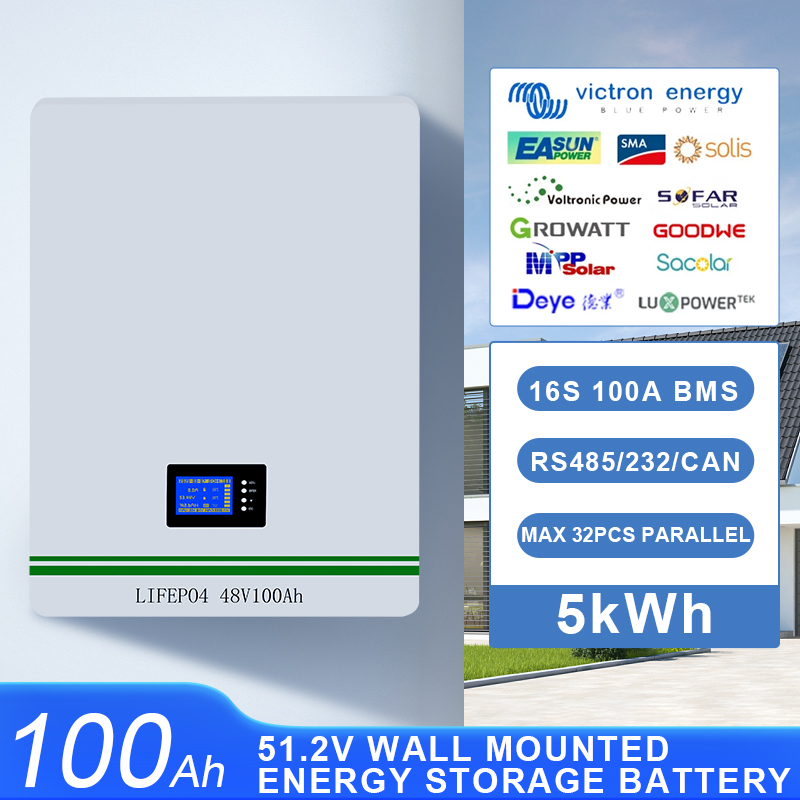
Step 5: (Optional) Store Excess Power in Batteries
If you want to be even more self-sufficient (or if net metering isn’t available in your area), you can add a solar battery storage system to your setup. These batteries store the excess DC electricity from your panels before it’s converted to AC. Then, when the sun goes down or the weather is cloudy, you can use the stored power instead of relying on the grid.
Batteries are a great way to increase your energy independence, but they do add to the cost of a solar system. Many homeowners choose to start with panels and add a battery later as their budget allows.

Why Does This Matter? The Benefits of Understanding Solar Energy
Now that you know how solar energy works, you might be wondering why it’s worth caring about. Here are a few key benefits:
- Lower electricity bills: By generating your own power, you’ll rely less on the grid—and pay less each month.
- Reduced carbon footprint: Solar energy is clean, so it helps cut down on greenhouse gas emissions.
- Increased home value: Homes with solar panels often sell faster and for more money than homes without them.
- Energy independence: With solar (plus batteries), you’re less affected by power outages or rising utility costs.
Final Thoughts: Solar Energy Is More Accessible Than You Think
At first glance, “how does solar energy work” might seem complicated—but it’s really just a series of simple steps: sunlight hits solar cells, electrons flow to create DC electricity, an inverter converts it to AC, and you use (or store) the power.
Solar energy isn’t just for “green enthusiasts” anymore—it’s a practical, cost-saving choice for millions of homeowners and businesses worldwide. If you’re curious about installing solar panels, understanding the basics of how they work is the first step toward making an informed decision.
Do you have more questions about solar energy—like how much it costs, or if it’s right for your home? Drop a comment below, and let’s keep the conversation going!