
pros of solar energy
2026-01-10
Pros of Solar Energy: Powering a Sustainable and Prosperous Future
As the global community grapples with climate change, energy security, and rising fossil fuel costs, solar energy has emerged as a beacon of hope in the transition to a cleaner, more sustainable energy system. Harnessing the power of the sun—an abundant, renewable resource—offers a multitude of benefits that extend beyond environmental protection to economic growth, energy independence, and community resilience. In this blog, we’ll delve into the key advantages of solar energy, exploring why it has become a cornerstone of the global renewable energy revolution.

1. Environmental Sustainability: A Low-Carbon Solution to Climate Change
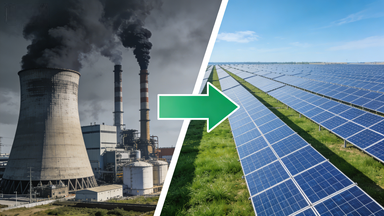
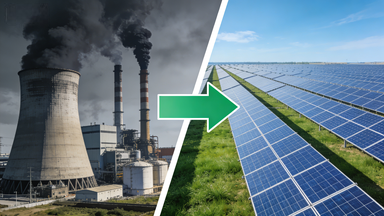
One of the most compelling pros of solar energy is its minimal environmental impact, particularly in terms of greenhouse gas emissions. Unlike fossil fuels (coal, oil, and natural gas) that release massive amounts of carbon dioxide (CO₂), methane, and other pollutants when burned, solar photovoltaic (PV) systems generate electricity with zero operational emissions. From the moment a solar panel is installed and operational, it produces clean energy without contributing to air pollution or climate change.
Beyond reducing CO₂ emissions, solar energy also conserves water—a critical resource often overlooked in energy production. Traditional power plants, especially coal and nuclear facilities, require vast quantities of water for cooling purposes. In contrast, solar PV systems use virtually no water during operation. This is particularly valuable in arid regions or areas facing water scarcity, where competing demands for water (agriculture, residential use, industry) are already high. By switching to solar, we can alleviate pressure on freshwater resources while still meeting energy needs.
Additionally, solar energy production avoids the environmental hazards associated with fossil fuel extraction, such as oil spills, coal mining accidents, and habitat destruction. Solar panels can be installed on existing structures (roofs, walls) or in low-impact areas (deserts, unused farmland), minimizing disruption to ecosystems.
2. Economic Benefits: Cost Savings and Long-Term Financial Security
Over the past decade, the cost of solar energy has plummeted dramatically, making it one of the most affordable energy sources in many parts of the world. Advances in technology, economies of scale, and policy support have driven down the price of solar panels by more than 80% since 2010, and this trend is expected to continue. For homeowners, businesses, and governments, this translates to significant cost savings over the long term.
For homeowners, installing solar panels can drastically reduce or even eliminate monthly electricity bills. Once the initial installation cost is recouped (typically 5–10 years, depending on location and incentives), the energy generated by the solar system is essentially free. Many regions also offer net metering programs, which allow homeowners to sell excess electricity back to the grid, further offsetting costs or even generating income. In some cases, solar-equipped homes also have higher property values, as potential buyers recognize the long-term energy savings.
For businesses and industrial facilities, solar energy offers a way to stabilize energy costs. Fossil fuel prices are volatile, subject to global geopolitical tensions, market fluctuations, and supply chain disruptions. By investing in solar, businesses can lock in predictable energy costs for decades (solar panels typically have a lifespan of 25–30 years), improving financial planning and reducing exposure to price shocks. Large-scale solar installations can also qualify for tax credits, grants, and other incentives, further enhancing their economic viability.
3. Energy Security and Independence: Reducing Reliance on Imported Fuels
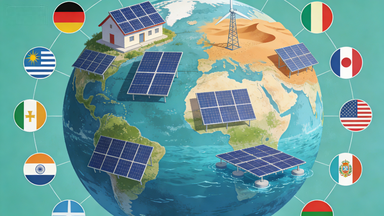
Many countries rely heavily on imported fossil fuels to meet their energy needs, leaving them vulnerable to geopolitical risks, trade disputes, and price volatility. Solar energy offers a path to greater energy independence by leveraging a domestic, abundant resource—the sun. Every country in the world receives some amount of sunlight, meaning solar energy can be harnessed locally, reducing the need for energy imports.
For nations that are net importers of oil or gas, transitioning to solar energy strengthens energy security by diversifying the energy mix. A more diverse energy system is more resilient: if one energy source is disrupted (e.g., due to a conflict, natural disaster, or trade embargo), other sources (like solar) can help meet demand. This resilience is particularly important in an increasingly uncertain global landscape.
At the community level, distributed solar systems (such as rooftop panels on homes and businesses) enhance microgrid resilience. During power outages caused by severe weather or grid failures, solar systems paired with battery storage can continue to provide electricity to critical facilities (hospitals, schools, community centers) and homes, ensuring essential services remain operational.
4. Abundant and Renewable: A Limitless Energy Source
Unlike fossil fuels, which are finite resources that will eventually be depleted, solar energy is renewable and virtually limitless. The sun emits enough energy in one hour to power the entire world’s energy needs for a year. Even in regions with less sunlight (e.g., northern Europe, cloudy areas), solar panels can still generate significant amounts of electricity, thanks to advances in panel efficiency and energy storage technology.
This abundance means solar energy can scale to meet the world’s growing energy demands. As global population and urbanization increase, so does the need for energy. Solar energy, when combined with other renewable sources (wind, hydro, geothermal), can provide a sustainable, long-term solution to meet this demand without depleting Earth’s natural resources.
5. Versatile Applications: Adapting to Diverse Needs
Solar energy is incredibly versatile, with applications ranging from small-scale residential use to large-scale utility projects. This versatility makes it suitable for a wide range of settings and needs:
-
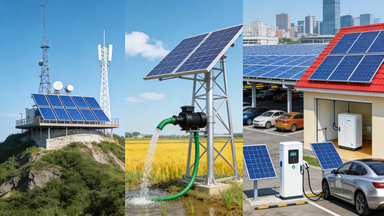
Residential: Rooftop solar panels, solar water heaters, and solar-powered lighting can meet the energy needs of individual homes, reducing reliance on the grid.
-
Commercial and Industrial: Large-scale solar farms, rooftop installations on warehouses and office buildings, and solar-powered industrial processes (e.g., heating, cooling, manufacturing) help businesses reduce energy costs and carbon footprints.
-
Remote Areas: Solar energy is ideal for powering remote communities, rural areas, and off-grid locations where extending the traditional power grid is expensive or impractical. Solar-powered water pumps, schools, and health clinics have improved quality of life in many developing regions.
-
Transportation: Solar energy is increasingly being used to power electric vehicles (EVs) through solar charging stations. Some EVs even feature integrated solar panels on their roofs, extending their range.
-
Emerging Technologies: Solar energy is also being paired with green hydrogen production (using solar power to split water into hydrogen and oxygen), offering a clean fuel source for industries that are hard to electrify (e.g., steel, aviation).
-
6. Job Creation and Economic Growth
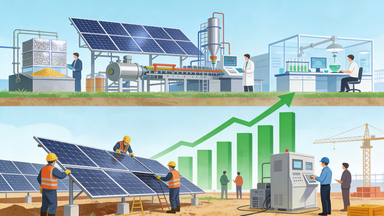
The solar energy industry is a major driver of job creation and economic growth. Unlike fossil fuel industries, which are often capital-intensive and employ relatively few people, the solar industry is labor-intensive, creating jobs in manufacturing, installation, maintenance, research and development (R&D), and sales.
According to the International Renewable Energy Agency (IRENA), the global renewable energy sector employed over 12 million people in 2022, with solar energy accounting for a significant portion of these jobs. In countries like China, the United States, and India—leaders in solar deployment—solar-related jobs have grown rapidly, supporting local economies and providing stable, well-paying employment opportunities.
Conclusion: Solar Energy as a Catalyst for Positive Change
The pros of solar energy are undeniable: it protects the environment, saves money, enhances energy security, leverages an abundant resource, adapts to diverse needs, and drives economic growth. As the world continues to transition away from fossil fuels, solar energy will play an increasingly central role in building a sustainable, prosperous future for all.
Whether you’re a homeowner looking to reduce your electricity bills, a business aiming to cut costs and carbon emissions, or a policymaker working to enhance energy security and combat climate change, solar energy offers a viable, scalable solution. With ongoing advances in technology and growing global adoption, the future of solar energy is brighter than ever.
green mountain energy
china solar energy
Related Article

In an era where climate change urgency and energy security concerns dominate global conversations, the shift to renewable energy has moved from a "nice-to-have" to a necessity.
green mountain energy
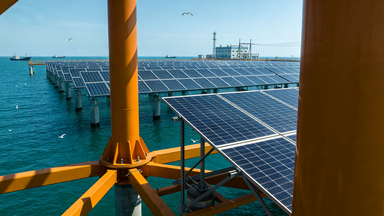
In the global pursuit of carbon neutrality and sustainable energy transition, China has emerged as an undisputed leader in the solar energy sector.
china solar energy

