24v lithium battery
2025-12-19
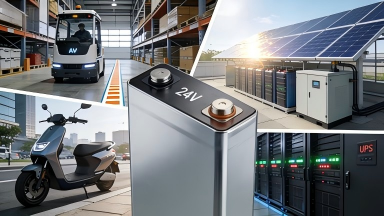
24V Lithium Battery: The Game-Changer in Portable Power Solutions
In the ever-evolving world of power storage, 24V lithium batteries have emerged as a standout choice for both industrial and consumer applications. From powering electric vehicles to supporting renewable energy systems, these batteries combine efficiency, durability, and versatility in a way that traditional lead-acid batteries or lower-voltage lithium alternatives simply can’t match. If you’re in the market for a reliable power source that balances performance and longevity, understanding the unique benefits and use cases of 24V lithium batteries is essential. Let’s dive into what makes this battery type a game-changer.
Why 24V Lithium Batteries Outperform Other Power Options
First, let’s break down the core advantages that set 24V lithium batteries apart. Unlike lead-acid batteries, which are heavy, have short lifespans, and require frequent maintenance, 24V lithium batteries offer a host of improvements that make them worth the investment.
One of the most significant benefits is their high energy density. Lithium-ion chemistry allows these batteries to store more energy in a smaller, lighter package. For example, a 24V lithium battery with the same energy capacity as a lead-acid counterpart can be up to 50% lighter. This makes them ideal for applications where weight and space are critical, such as electric scooters, portable solar generators, and small industrial robots.
Another key advantage is their long cycle life. A typical 24V lithium battery can last for 2,000 to 5,000 charge-discharge cycles, compared to just 300 to 500 cycles for a lead-acid battery. This means fewer replacements over time, reducing both cost and environmental impact. Additionally, lithium batteries have a low self-discharge rate (usually less than 2% per month), so they can hold their charge for months without use—perfect for backup power systems or seasonal equipment.
Safety is also a top priority with 24V lithium batteries. Modern lithium-ion batteries come equipped with built-in Battery Management Systems (BMS) that monitor voltage, current, and temperature. This prevents overcharging, over-discharging, and short-circuiting, reducing the risk of fires or explosions. In contrast, lead-acid batteries are prone to acid leaks and thermal runaway if not properly maintained.
Versatile Applications of 24V Lithium Batteries
The 24V voltage range is particularly versatile, making these batteries suitable for a wide range of applications across industries. Let’s explore some of the most common uses:
1. Industrial and Commercial Equipment
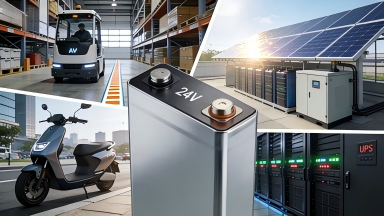
In industrial settings, 24V lithium batteries power everything from AGVs (Automated Guided Vehicles) and forklifts to industrial robots and security systems. Their high energy density and long cycle life make them ideal for continuous operation, while their compact size allows for easy integration into tight spaces. For example, warehouses rely on 24V lithium-powered AGVs to move goods efficiently without the need for frequent battery changes or maintenance.
2. Renewable Energy Storage
As the world shifts to clean energy, 24V lithium batteries have become a popular choice for small-scale solar and wind energy storage systems. They can store excess energy generated during the day (for solar) or when the wind is blowing, providing a reliable power source during periods of low generation. This is especially useful for off-grid homes, cabins, and remote work sites that don’t have access to the main power grid.
3. Electric Vehicles (EVs) and Mobility Devices
Many small electric vehicles, such as electric scooters, e-bikes, golf carts, and small electric cars, use 24V lithium batteries. Their lightweight design improves the vehicle’s range and maneuverability, while their fast charging capability (most 24V lithium batteries can be fully charged in 2-4 hours) makes them convenient for daily use. Mobility devices like wheelchairs also benefit from 24V lithium batteries, as they provide a reliable power source that lasts longer than traditional batteries, giving users greater independence.
4. Backup Power and Emergency Systems
24V lithium batteries are an excellent choice for backup power systems, such as UPS (Uninterruptible Power Supply) units, security cameras, and emergency lighting. Their low self-discharge rate ensures they’re ready to use when the main power fails, and their long cycle life means they won’t need to be replaced as often as lead-acid batteries. This is crucial for businesses and homes that need to maintain power during outages to protect equipment or ensure safety.
Key Factors to Consider When Choosing a 24V Lithium Battery
If you’re considering purchasing a 24V lithium battery, there are several factors to keep in mind to ensure you choose the right one for your needs:
-
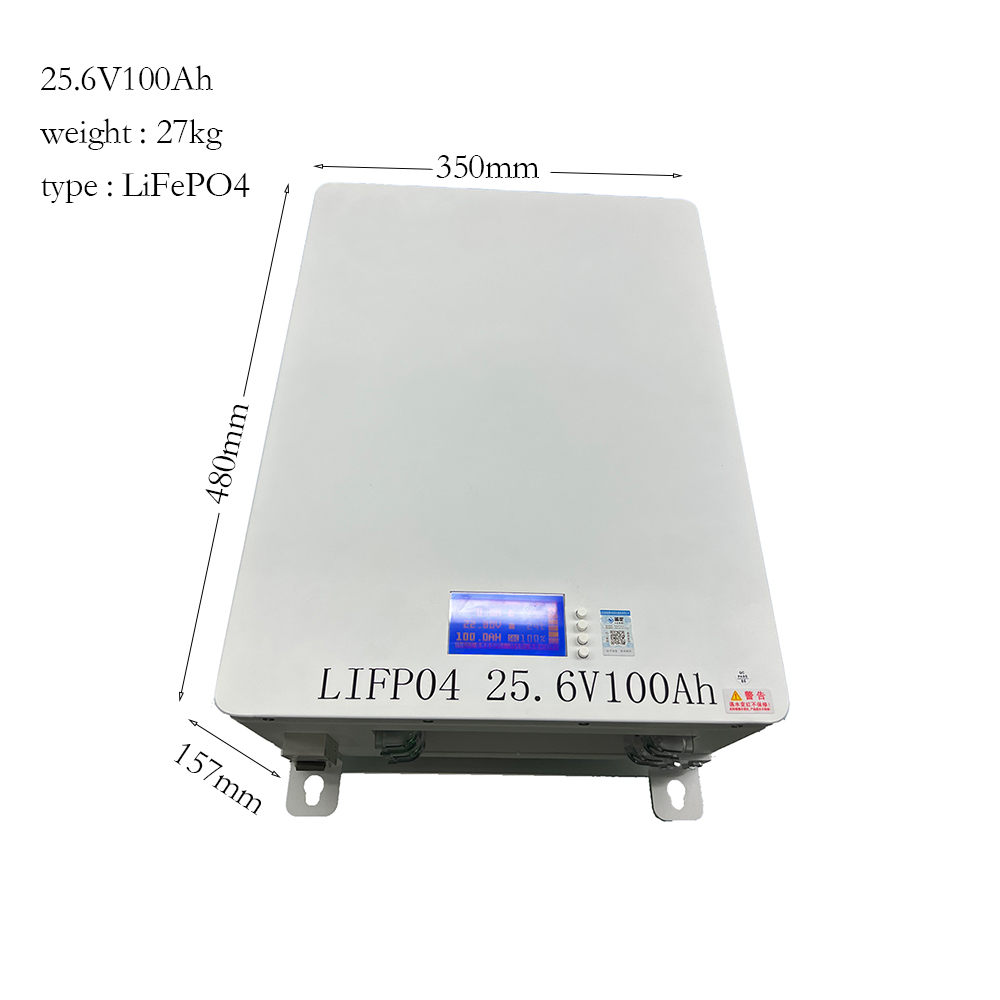
Capacity (Ah): The capacity of a battery determines how much energy it can store. Higher capacity batteries (measured in ampere-hours, Ah) will last longer between charges. Choose a capacity based on your application’s power requirements—for example, a small e-bike may only need a 10Ah battery, while an industrial AGV may require a 50Ah or higher battery.
-
BMS (Battery Management System): Always choose a battery with a high-quality BMS. The BMS is responsible for protecting the battery from damage and ensuring safe operation. Look for batteries with BMS that offer overcharge, over-discharge, short-circuit, and temperature protection.
-
Charging Time: Consider how long it takes the battery to fully charge. Most 24V lithium batteries can be charged in 2-4 hours, but some high-capacity batteries may take longer. If you need a fast-charging solution, look for batteries that are compatible with fast chargers.
-
Brand and Quality: Choose a reputable brand with a proven track record of producing high-quality lithium batteries. Cheap, low-quality batteries may be less expensive upfront, but they’re more likely to fail prematurely and may not be safe.
-
Warranty: A good warranty is a sign of a quality battery. Most 24V lithium batteries come with a 2-5 year warranty, which covers defects in materials and workmanship. Be sure to read the warranty terms carefully to understand what’s covered.
-
The Future of 24V Lithium Batteries
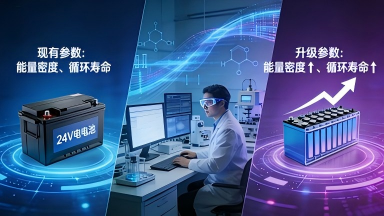
As technology continues to advance, 24V lithium batteries are only going to become more efficient and affordable. With the growing demand for clean energy and portable power solutions, manufacturers are investing in research and development to improve lithium-ion chemistry, increasing energy density, extending cycle life, and reducing costs. This means that 24V lithium batteries will continue to be a leading power source for years to come, driving innovation in industries from manufacturing to renewable energy.
In conclusion, 24V lithium batteries offer a winning combination of efficiency, durability, and versatility that makes them ideal for a wide range of applications. Whether you’re looking to power an electric vehicle, store solar energy, or keep your home or business running during a power outage, a 24V lithium battery is a reliable and cost-effective choice. By considering the factors outlined above, you can choose the right battery for your needs and enjoy the benefits of this game-changing power solution.
36v lithium battery
lifepo4 battery life
Related Article

In an era where climate change urgency and energy security concerns dominate global conversations, the shift to renewable energy has moved from a "nice-to-have" to a necessity.
green mountain energy

As the global community grapples with climate change, energy security, and rising fossil fuel costs, solar energy has emerged as a beacon of hope in the transition to a cleaner, more sustainable energy system.
pros of solar energy