100ah lifepo4 battery
2026-01-03

100Ah LiFePO4 Battery: The Ultimate Power Solution for Off-Grid and Mobile Needs
In the realm of rechargeable energy storage, the 100Ah LiFePO4 battery has emerged as a game-changer, redefining reliability and performance for off-grid living, mobile power applications, and backup energy systems. Unlike traditional lead-acid batteries or even other lithium-ion variants, the 100Ah LiFePO4 (Lithium Iron Phosphate) battery combines large capacity with the inherent advantages of LiFePO4 technology—unmatched safety, long cycle life, and exceptional efficiency. Whether you’re a房车 enthusiast (RV traveler) seeking consistent power on the road, a homeowner building a small off-grid solar setup, or a professional needing reliable backup for critical equipment, the 100Ah LiFePO4 battery offers a versatile and durable solution that stands above conventional options. This blog explores everything you need to know about this powerful battery, from its key benefits to practical applications and maintenance tips.


Why the 100Ah LiFePO4 Battery Outshines Traditional Batteries
To understand the appeal of the 100Ah LiFePO4 battery, it’s essential to compare it to the most common alternatives: lead-acid batteries (flooded, AGM, gel) and other lithium-ion chemistries (like Li-ion NCM). The 100Ah LiFePO4 battery’s dominance stems from its unique combination of high capacity, robust safety, and long-term cost-effectiveness—attributes that address the biggest pain points of traditional energy storage.
1. Unrivaled Safety Profile
Safety is a non-negotiable factor for any battery, and LiFePO4 chemistry excels here. Unlike lithium-cobalt batteries (which are prone to thermal runaway and fires if damaged or overcharged), LiFePO4 batteries have an extremely stable chemical structure. The 100Ah LiFePO4 battery can withstand high temperatures (up to 60°C/140°F), physical impacts, and even short circuits without risking combustion or explosion. This makes it ideal for enclosed spaces like RVs, boats, or home storage closets, where safety hazards are a major concern. Lead-acid batteries, by contrast, pose risks of acid leakage, hydrogen gas emission (during charging), and permanent damage if overcharged—issues the 100Ah LiFePO4 battery eliminates.
2. Exceptional Longevity & Cycle Life
Cycle life is one of the most significant advantages of the 100Ah LiFePO4 battery. A “cycle” refers to one full charge-discharge cycle (from 100% to 0% capacity). A high-quality 100Ah LiFePO4 battery can deliver 2000-3000 charge-discharge cycles before its capacity drops to 80% of its original value. In practical terms, this means if you use the battery daily, it can last 5-8 years—far longer than lead-acid batteries, which typically only offer 300-500 cycles (1-3 years of daily use). Even with occasional use (e.g., seasonal RV trips or backup power), the 100Ah LiFePO4 battery retains its capacity for a decade or more, reducing the need for frequent replacements and long-term costs.
3. 100Ah Capacity: Perfect for High-Demand, Long-Duration Use
The 100Ah capacity is a sweet spot for many applications, striking a balance between portability and power. It can store enough energy to run multiple devices for extended periods: for example, a 100Ah LiFePO4 battery can power a 500W RV refrigerator for 15-20 hours, a 100W LED light setup for 8-10 hours, or a small home office (laptop, router, printer) for 6-8 hours on a single charge. Unlike smaller capacity batteries (50Ah or 75Ah) that require frequent recharging, the 100Ah variant is ideal for off-grid trips, boondocking, or power outages where access to electricity is limited. Additionally, LiFePO4 batteries have a higher discharge rate (C-rate) than lead-acid batteries—most 100Ah LiFePO4 batteries can handle 1C-2C discharge rates, meaning they can deliver 100-200A of current safely, making them suitable for power-hungry devices like power tools or small electric motors.

4. Lightweight & Compact Design
Weight is a critical factor for mobile applications (RVs, boats, camping), and the 100Ah LiFePO4 battery has a clear edge over lead-acid equivalents. A 100Ah lead-acid battery weighs around 30-35kg (66-77lbs), while a 100Ah LiFePO4 battery weighs only 12-15kg (26-33lbs)—that’s a 50-60% weight reduction! This makes it much easier to install, transport, and handle, especially in tight spaces or for users who need to move the battery regularly (e.g., campers or boat owners). The compact size also means it takes up less storage space, a key advantage for small RVs or off-grid cabins.
5. Low Self-Discharge & No Memory Effect
LiFePO4 batteries have an extremely low self-discharge rate (only 1-2% per month), compared to 5-10% per month for lead-acid batteries. This means a 100Ah LiFePO4 battery can sit idle for months (e.g., during winter storage for RVs) and still retain most of its charge, ready to use when needed. Additionally, unlike some nickel-cadmium batteries, LiFePO4 batteries have no memory effect—you don’t need to fully discharge them before recharging, which simplifies use and further extends their lifespan. Lead-acid batteries, by contrast, require regular maintenance (topping up electrolyte for flooded types) and can suffer from sulfation if left discharged for long periods, leading to permanent capacity loss.
Common Applications of the 100Ah LiFePO4 Battery
The versatility of the 100Ah LiFePO4 battery makes it suitable for a wide range of applications, from recreational use to critical backup power. Below are the most popular and practical uses:
-
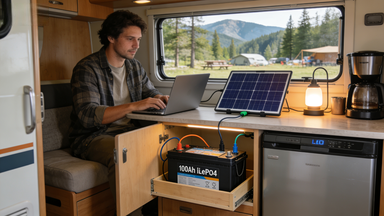
RV & Camping: RV travelers and campers rely on the 100Ah LiFePO4 battery to power their on-board appliances (refrigerators, microwaves, lighting, air conditioners) during off-grid trips (boondocking). Its lightweight design, long cycle life, and low self-discharge rate make it perfect for extended stays in remote areas, where access to shore power is limited. Many RV owners upgrade from lead-acid to 100Ah LiFePO4 batteries to reduce weight, increase runtime, and eliminate the hassle of battery maintenance.
-
Off-Grid Solar Storage: For homeowners with small-scale solar panel systems (1-3kW), the 100Ah LiFePO4 battery is an excellent energy storage solution. It stores excess energy generated by solar panels during the day and releases it at night or during cloudy weather, powering essential home appliances (lights, refrigerators, routers) without relying on the grid. Multiple 100Ah LiFePO4 batteries can be connected in parallel (to increase capacity) or series (to increase voltage, e.g., 24V or 48V) to meet larger energy needs, making it scalable for different home sizes.
-
Marine (Boats & Yachts): Boats and yachts require reliable, compact, and safe batteries to power navigation systems, lights, pumps, and on-board electronics. The 100Ah LiFePO4 battery’s resistance to vibration (a common issue on boats), corrosion, and extreme temperatures (both hot and cold) makes it ideal for marine environments. Its lightweight design also helps improve boat performance by reducing overall weight, and its long cycle life means fewer replacements—critical for boat owners who use their vessels seasonally.
-
Backup Power Systems: The 100Ah LiFePO4 battery is a reliable backup power source for homes, small businesses, and critical equipment (e.g., medical devices, security systems, servers). In the event of a grid outage, it can power essential devices for several hours, giving users time to access alternative power or resolve the outage. Its low self-discharge rate ensures it’s always ready to use, and its safety features eliminate the risk of fires or acid leaks during emergency use.
-
Electric Mobility & Recreational Vehicles: Small electric vehicles like golf carts, electric wheelchairs, and electric kayaks benefit from the 100Ah LiFePO4 battery’s high discharge rate and long runtime. Golf courses, for example, use 100Ah LiFePO4 batteries to power golf carts, as they can handle daily use (multiple rounds per day) without needing frequent recharging, and their long cycle life reduces maintenance costs. Electric wheelchair users also appreciate the lightweight design, which makes the wheelchair easier to maneuver, and the reliable runtime, which eliminates the fear of running out of power during daily activities.
-
Portable Power Stations: Many portable power station manufacturers use 100Ah LiFePO4 batteries as the core energy storage component. These stations are popular among campers, outdoor workers, and event organizers, as they provide a portable, clean power source for tools, lights, and electronic devices. The 100Ah capacity ensures the power station can run multiple devices for hours, while the LiFePO4 technology ensures safety and longevity.
-
Key Tips for Choosing and Maintaining a 100Ah LiFePO4 Battery
To get the most out of your 100Ah LiFePO4 battery, it’s important to choose a high-quality product and follow proper maintenance practices. Below are essential guidelines to help you select and care
what is lifepo4 battery
lifepo4 battery 12v
Related Article
In an era where climate change urgency and energy security concerns dominate global conversations, the shift to renewable energy has moved from a "nice-to-have" to a necessity.
green mountain energy
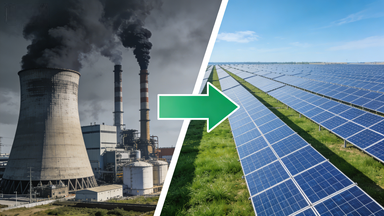
As the global community grapples with climate change, energy security, and rising fossil fuel costs, solar energy has emerged as a beacon of hope in the transition to a cleaner, more sustainable energy system.
pros of solar energy