100ah lithium battery
2025-12-27
100Ah Lithium Battery: The Ultimate High-Capacity Energy Storage Solution
In the realm of energy storage, capacity is often the deciding factor between frustration and reliability—especially when powering high-demand devices or off-grid systems. This is where the 100Ah lithium battery shines. As a high-capacity powerhouse, it bridges the gap between portable energy and long-lasting performance, catering to a diverse range of users from outdoor enthusiasts and RV travelers to homeowners seeking backup power and professionals relying on heavy-duty equipment. Unlike smaller capacity batteries that require frequent recharging, the 100Ah lithium battery delivers sustained energy output, making it a game-changer in scenarios where consistent power is non-negotiable. In this blog, we’ll explore what makes the 100Ah lithium battery unique, its most practical applications, how to choose the right one, and why it’s a worthwhile investment for anyone in need of reliable high-capacity energy storage.


What Sets the 100Ah Lithium Battery Apart?
The 100Ah lithium battery isn’t just a “bigger” battery—it’s a combination of high capacity, lithium-ion technology advantages, and versatile performance that makes it stand out from smaller capacity lithium batteries and traditional alternatives like lead-acid. Let’s break down its key differentiators:
First and foremost is its exceptional capacity. The 100 ampere-hour (Ah) rating means the battery can deliver 1 amp of current continuously for 100 hours, 10 amps for 10 hours, or 100 amps for 1 hour (in ideal conditions). This translates to long-lasting power that eliminates the need for frequent recharges—a critical benefit for off-grid setups, mobile lifestyles, or devices that run for extended periods. For example, a 100Ah lithium battery can power a small RV’s essential appliances (refrigerator, lights, water pump) for 2-3 days without needing to recharge, whereas a 50Ah battery would require recharging every 12-18 hours.
When paired with lithium-ion technology, this high capacity becomes even more impactful. Compared to 100Ah lead-acid batteries, lithium versions offer superior energy density. This means a 100Ah lithium battery is significantly lighter (up to 50% lighter) and more compact than a lead-acid battery of the same capacity. A typical 12V 100Ah lithium battery weighs around 12-15kg, while a lead-acid equivalent can weigh 25-30kg. This lightweight advantage is a game-changer for mobile applications like RVs, boats, or portable solar systems, where weight and space are at a premium.
Another key advantage is long cycle life and low self-discharge. A high-quality 100Ah lithium battery can endure 1,500-2,000 charge-discharge cycles before its capacity drops to 80% of its original value—far more than the 300-500 cycles of a 100Ah lead-acid battery. This extended lifespan means fewer replacements over time, reducing long-term costs. Additionally, lithium batteries have an extremely low self-discharge rate (1-2% per month), compared to 5-10% per month for lead-acid. For seasonal use (e.g., winter RV storage or backup power systems that sit idle for months), this means the 100Ah lithium battery will still hold a usable charge when you need it most.
Finally, 100Ah lithium batteries offer consistent performance throughout their discharge cycle. Unlike lead-acid batteries, which experience a steady voltage drop as they discharge (leading to reduced device performance), lithium batteries maintain a stable voltage until nearly fully discharged. This ensures that your devices run at peak efficiency right up until the battery needs recharging—critical for sensitive electronics or equipment that requires consistent power (e.g., medical devices, solar inverters).
Top Applications of 100Ah Lithium Batteries
The 100Ah lithium battery’s combination of high capacity, lightweight design, and long lifespan makes it ideal for a wide range of applications—particularly those where reliable, long-lasting power is essential. Here are its most common and impactful uses:
-
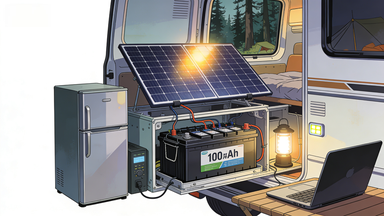
RVs, Campers, and Van Life: For travelers embracing the van life or RV lifestyle, a 100Ah lithium battery is a must-have. It powers essential appliances like refrigerators, microwaves, lights, fans, and charging ports for phones/laptops—all without relying on shore power or a generator. When paired with a solar panel system, it creates a self-sustaining off-grid power setup, allowing travelers to stay in remote locations for days at a time. Its lightweight design also helps reduce the overall weight of the RV/van, improving fuel efficiency.
-
Solar and Off-Grid Energy Storage: 100Ah lithium batteries are a cornerstone of small to medium-sized solar energy systems. They store excess energy generated by solar panels during the day, which can then be used at night or during cloudy weather. This is ideal for off-grid homes, cabins, or remote workshops that don’t have access to the main power grid. Multiple 100Ah batteries can be connected in parallel to increase capacity (e.g., four 100Ah batteries = 400Ah total) or in series to increase voltage (e.g., two 12V 100Ah batteries = 24V 100Ah), making them adaptable to different system requirements.
-
Marine (Boats and Yachts): Boats and yachts require reliable power for navigation systems, lights, pumps, and onboard electronics—often in harsh, corrosive environments. 100Ah lithium batteries are resistant to vibration, corrosion, and extreme temperatures (when properly rated), making them ideal for marine use. Their lightweight design also helps improve boat performance by reducing weight below deck, and their long cycle life means fewer replacements in hard-to-reach battery compartments.
-
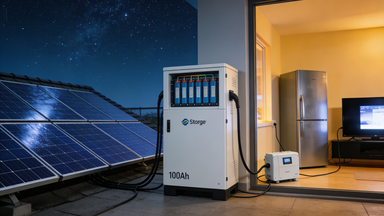
Backup Power Systems: For homeowners or small businesses, a 100Ah lithium battery can serve as a backup power source during grid outages. It can power critical appliances like refrigerators (to keep food from spoiling), lights, routers (to stay connected), and medical equipment (e.g., CPAP machines). When paired with an inverter, it converts the battery’s DC power to AC power, making it compatible with standard household devices. Unlike generators, it operates quietly, produces no emissions, and requires minimal maintenance.
-
Heavy-Duty Portable Equipment: Professionals in construction, agriculture, or landscaping rely on 100Ah lithium batteries to power portable equipment like electric pressure washers, portable generators, and large cordless tools. The battery’s high capacity ensures that these high-demand tools can run for full workdays without recharging, while its lightweight design makes it easier to transport between job sites. It’s also a popular choice for electric golf carts and utility vehicles, providing longer range and faster acceleration than lead-acid alternatives.
-
Recreational and Outdoor Gear: For outdoor enthusiasts, a 100Ah lithium battery powers large camping gear like electric coolers, portable grills, and LED camp lights. It’s also used in electric kayaks, paddleboards, and small electric off-road vehicles, providing the long runtime needed for full days of adventure. Its compact size makes it easy to store in a backpack or gear bin, and its low self-discharge rate means it’s ready to use even after months of storage.
-
How to Choose and Maintain a 100Ah Lithium Battery
Not all 100Ah lithium batteries are created equal. To ensure you get the best performance and value, it’s important to choose the right battery for your needs and follow proper maintenance practices. Below are key factors to consider when buying, followed by tips to maximize lifespan.
Key Factors to Consider When Buying a 100Ah Lithium Battery
-
Battery Chemistry: 100Ah lithium batteries are available in different chemistries, with LiFePO4 (Lithium Iron Phosphate) being the most recommended. LiFePO4 batteries are safer (resistant to thermal runaway), have a longer cycle life (1,500+ cycles), and perform better in extreme temperatures compared to other lithium chemistries like Li-ion or Li-polymer. Avoid low-quality lithium chemistries, as they pose safety risks and have shorter lifespans.
-
Cell Quality: The quality of the lithium cells used in the battery directly impacts performance and durability. Look for batteries made with Grade A cells from reputable manufacturers like Samsung, LG, or Panasonic. These cells undergo strict quality control, ensuring consistent capacity, lower failure rates, and better overall performance. Avoid batteries with unbranded or low-grade cells—they may not deliver the advertised 100Ah capacity and can be unsafe.
-
Safety Features: Always prioritize batteries with built-in Battery Management Systems (BMS). A BMS is a critical safety feature that protects the battery from overcharging, over-discharging, short-circuiting, overheating, and overcurrent. It also balances the charge across individual cells, ensuring uniform performance and extending lifespan. Look for batteries with a certified BMS (e.g., UL, CE) for added peace of mind.
-
Voltage Compatibility: 100Ah lithium batteries are available in different voltages (e.g., 12V, 24V, 48V). Choose the voltage that matches your device or system requirements. For most RVs, boats, and small solar systems, 12V is the standard. If you need higher voltage (e.g., for large solar inverters or industrial equipment), opt for a 24V or 48V 100Ah battery, or connect multiple 12V batteries in series.
-
Certifications and Warranty: Look for batteries with industry certifications like UL, CE, or FCC—these indicate that the battery meets strict safety and performance standards. Additionally, a good warranty is a sign of the manufacturer’s confidence. Aim for a warranty of at least 2-5 years, which should cover defects in materials, workmanship, and premature capacity loss. Be sure to read the warranty terms carefully to understand what’s covered.
-
Physical Dimensions and Weight: Ensure the battery fits in your intended space (e.g., RV battery compartment, boat storage area). Measure the available space and compare it to the battery’s dimensions. Also, consider the weight—while 100Ah lithium batteries are lighter than lead-acid, some models may be heavier than others. This is especially important for portable applications where weight matters.
Maintenance Tips to Maximize Lifespan
-
Use a Compatible Charger: Always charge your 100Ah lithium battery with a charger designed for lithium batteries (preferably the one provided by the manufacturer). Lithium batteries require a specific charging profile (constant current/constant voltage, or CC/CV), and using a lead-acid charger can damage the BMS or cells. Avoid cheap, generic chargers—they may not deliver the correct voltage or current, leading to reduced capacity or safety risks.
-
Avoid Extreme Temperatures: Lithium batteries perform best between 10°C and 35°C (50°F and 95°F). Avoid charging or using the battery in extreme heat (e.g., direct sunlight in summer) or extreme cold (e.g., below 0°C/32°F), as this can damage the cells and permanently reduce capacity. If storing the battery in extreme temperatures is unavoidable, keep it in a insulated container.
-
Store Properly When Not in Use: If you won’t be using the battery for extended periods (e.g., winter storage for an RV), store it in a cool, dry place at 40-60% capacity. This is the optimal charge level for long-term storage, as it reduces stress on the cells. Avoid storing the battery fully charged or fully discharged, as this can shorten lifespan. Check the charge every 3-6 months and top it up if needed.
-
Keep Terminals Clean: Regularly inspect the battery’s terminals (metal contacts) for dirt, corrosion, or loose connections. Corrosion can interfere with the battery’s performance and cause overheating. Clean the terminals with a dry, soft cloth—never use water or harsh chemicals, as they can damage the battery’s casing or BMS.
-
Avoid Deep Discharges: While LiFePO4 batteries are more resistant to deep discharge than other lithium chemistries, it’s still best to avoid draining the battery below 20% capacity. Recharging before the battery gets too low reduces stress on the cells and extends cycle life. Most 100Ah lithium batteries with a BMS will shut off when the capacity drops to 10-20%, but relying on this feature regularly can still shorten lifespan.
-
Is a 100Ah Lithium Battery Worth the Investment?
It’s true that 100Ah lithium batteries have a higher upfront cost than 100Ah lead-acid batteries or smaller capacity lithium batteries. A high-quality 12V 100Ah LiFePO4 battery typically costs $300-$600, while a lead-acid equivalent costs $150-$300. However, when you consider the long-term benefits, the investment is almost always justified—especially for users who rely on consistent, long-lasting power.
For RV travelers, off-grid homeowners, and professionals, the extended lifespan (2-3x longer than lead-acid) means fewer battery replacements over time. The lightweight design reduces fuel costs (for RVs/boats) and makes transportation easier. The low self-discharge rate and consistent performance eliminate the frustration of dead batteries when you need them most. Additionally, lithium batteries require minimal maintenance compared to lead-acid (no need to check water levels or clean corrosion regularly), saving time and effort.
From an environmental perspective, 100Ah lithium batteries are also a better choice. They contain no toxic materials (unlike lead-acid batteries, which contain lead and sulfuric acid), are more energy-efficient to produce, and have a longer lifespan—reducing the number of batteries that end up in landfills. For eco-conscious users, this is an added benefit that further justifies the cost.
Conclusion
The 100Ah lithium battery is more than just a high-capacity energy storage solution—it’s a reliable, efficient, and versatile power source that transforms how we power our mobile lifestyles, off-grid systems, and critical equipment. Its unique combination of 100Ah capacity, lithium-ion technology advantages (lightweight, long cycle life, consistent performance), and wide application range makes it a top choice for anyone in need of long-lasting, low-maintenance power.
By choosing the right 100Ah lithium battery (prioritizing LiFePO4 chemistry, Grade A cells, and a certified BMS) and following proper maintenance practices, you can enjoy years of reliable performance. Whether you’re hitting the road in an RV, powering your off-grid cabin, or ensuring backup power for your home, the 100Ah lithium battery delivers the capacity and dependability you need—without the hassle of frequent recharges or replacements. It’s not just a battery; it’s an investment in peace of mind and long-term efficiency.

48 volt lithium battery
aa lithium battery
Related Article

In an era where climate change urgency and energy security concerns dominate global conversations, the shift to renewable energy has moved from a "nice-to-have" to a necessity.
green mountain energy

As the global community grapples with climate change, energy security, and rising fossil fuel costs, solar energy has emerged as a beacon of hope in the transition to a cleaner, more sustainable energy system.
pros of solar energy