12 volt lithium battery
2025-12-25

12 Volt Lithium Battery: Compact, Efficient Power for Everyday and Light-Duty Needs
In the realm of portable and low-voltage power solutions, the 12 volt lithium battery has emerged as a staple for both consumer and light commercial use. Its unique combination of compact size, lightweight design, reliable performance, and long lifespan makes it an ideal choice for powering a wide array of devices—from everyday electronics to small-scale equipment. Unlike higher-voltage batteries (such as 24V or 36V) that cater to heavy-duty tools and vehicles, the 12V lithium battery excels in scenarios where portability and consistent low-power delivery are paramount. Whether you’re a camper in need of reliable lighting, a homeowner maintaining small garden tools, or a tech user powering backup devices, this blog explores everything you need to know about 12 volt lithium batteries, including their key benefits, common applications, and how to choose the right one for your needs.


What Sets 12 Volt Lithium Batteries Apart?
The 12 volt lithium battery’s popularity stems from its ability to address the core needs of low-voltage applications: portability, efficiency, and long-term reliability. When compared to traditional 12V battery technologies (like lead-acid) or higher-voltage lithium alternatives, it offers several distinct advantages that make it a preferred choice for many users.
First and foremost is its exceptional energy density. Lithium-ion technology allows 12V lithium batteries to store more energy in a significantly smaller and lighter form factor than lead-acid batteries of the same voltage and capacity. For example, a 12V 10Ah lithium battery typically weighs just 1-2kg, while a lead-acid battery of the same specifications can weigh 5-7kg. This lightweight advantage is a game-changer for portable devices—imagine carrying a 12V lithium-powered portable generator on a camping trip versus a bulky lead-acid version, or mounting a 12V battery in a small drone without weighing it down. The compact size also makes it easier to fit into tight spaces, such as the battery compartments of small electronics or under the seats of motorcycles.
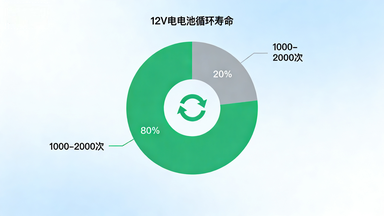
Longer lifespan and cycle life are another major selling point. A high-quality 12V lithium battery can endure 1,000-2,000 charge-discharge cycles before its capacity drops to 80% of its original value, whereas 12V lead-acid batteries typically only last 300-500 cycles. This means fewer replacements over time, reducing both long-term costs and environmental waste. Additionally, 12V lithium batteries have an extremely low self-discharge rate—losing only 1-3% of their charge per month when not in use. This is a critical advantage for devices that are used intermittently, such as seasonal garden tools, emergency backup lights, or RV accessories, as the battery will retain its charge for months without needing a top-up.
Superior safety and performance in varying conditions also set 12V lithium batteries apart. Unlike lead-acid batteries, which are prone to leakage, sulfation (a buildup that reduces capacity), and damage from deep discharge, 12V lithium batteries are more resilient. Most come equipped with built-in Battery Management Systems (BMS) that protect against overcharging, over-discharging, short circuits, and temperature extremes—ensuring safe operation even in harsh environments. They also deliver consistent voltage output throughout the discharge cycle, meaning devices like LED lights won’t dim as the battery drains, and small tools won’t lose power mid-operation.
Finally, 12V lithium batteries are more environmentally friendly than lead-acid alternatives. They contain no toxic lead or acid, making them safer to handle and dispose of. Their longer lifespan also means fewer batteries end up in landfills, and their higher energy efficiency reduces the overall carbon footprint associated with charging and use.

Common Applications of 12 Volt Lithium Batteries
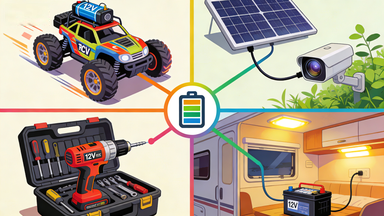
The versatility of 12 volt lithium batteries is one of their greatest strengths, as they’re compatible with a wide range of low-voltage devices across consumer, recreational, and light commercial sectors. Below are some of the most popular and practical applications:
-
Portable Electronics and Backup Power: 12V lithium batteries are widely used to power portable electronics and small backup systems. This includes portable generators (for camping, tailgating, or emergency home use), USB power banks (with 12V input/output), LED camping lights, and portable coolers. They’re also ideal for backup power for home security systems, routers, and small medical devices (like CPAP machines), ensuring these critical devices stay operational during power outages.
-
Small Electric Tools and Garden Equipment: Light-duty cordless tools and garden equipment often rely on 12V lithium batteries for their portability and ease of use. Examples include cordless drills, screwdrivers, small sanders, hedge trimmers, and handheld leaf blowers. These tools don’t require the high power of 36V or 48V batteries, so the 12V lithium option provides just enough power while keeping the tool lightweight and easy to maneuver—perfect for homeowners tackling small DIY projects or garden maintenance.
-
Automotive and Motorcycle Accessories: 12V is the standard voltage for automotive and motorcycle electrical systems, making 12V lithium batteries a popular upgrade for these vehicles. They’re used to power car accessories like dash cams, GPS devices, portable refrigerators, and seat heaters. Motorcycle owners also often upgrade to 12V lithium batteries because of their lightweight design, which reduces the bike’s overall weight and improves handling. Additionally, their low self-discharge rate means motorcycles stored for long periods (like over winter) won’t have dead batteries.
-
Recreational Vehicles (RVs) and Boats: RVs and small boats rely heavily on 12V power systems for lighting, water pumps, fans, and entertainment systems. 12V lithium batteries are an excellent choice for these applications because of their compact size (saving space in tight RV or boat compartments), lightweight design, and long cycle life. They can also be paired with solar panels for off-grid power, making them ideal for boondocking or long boat trips.
-
Remote and Off-Grid Devices: 12V lithium batteries are widely used in remote or off-grid settings to power devices like security cameras, weather stations, and solar-powered lights. Their low self-discharge rate and ability to withstand extreme temperatures make them reliable in areas where regular maintenance or charging is difficult. For example, a 12V lithium battery paired with a solar panel can power a remote security camera 24/7 without needing frequent battery changes.
-
Toys and Hobbyist Equipment: Many high-end toys and hobbyist devices, such as remote-controlled (RC) cars, boats, and drones, use 12V lithium batteries for their high energy density and consistent power delivery. These batteries provide the necessary power to drive RC vehicles at high speeds while keeping the device lightweight and agile. They also charge quickly, allowing hobbyists to spend more time using their equipment and less time waiting for batteries to charge.
-
Tips for Choosing and Maintaining a 12 Volt Lithium Battery
To get the most out of your 12 volt lithium battery, it’s important to choose the right one for your specific needs and follow proper maintenance practices. Below are key factors to consider when purchasing a battery, along with tips to maximize its lifespan.
Key Factors to Consider When Buying
-
Capacity (Ah Rating): Capacity, measured in ampere-hours (Ah), indicates how much energy the battery can store. A higher Ah rating means longer runtime for your device. For example, a 12V 10Ah battery will power a portable cooler for twice as long as a 12V 5Ah battery (assuming the same power draw). When choosing, consider your usage: if you need extended runtime (like for a weekend camping trip), opt for a higher capacity. For short-term use (like a small drill), a lower capacity will suffice and be more compact.
-
Cell Quality: The quality of the lithium-ion cells used in the battery directly impacts performance, safety, and lifespan. Look for batteries made with reputable cells from brands like Samsung, LG, or Panasonic. These cells undergo strict quality control tests, have lower failure rates, and are less prone to overheating or thermal runaway (a rare but dangerous issue in low-quality lithium batteries). Avoid cheap batteries with unbranded cells, as they may not meet safety standards.
-
Battery Management System (BMS): A built-in BMS is essential for the safety and longevity of a 12V lithium battery. The BMS protects against overcharging, over-discharging, short circuits, and temperature extremes—critical features that prevent battery damage and ensure safe operation. When purchasing, check that the battery has a high-quality BMS (some manufacturers specify the BMS type or rating).
-
Compatibility: Ensure the battery is compatible with your device. Check three key aspects: voltage (must be 12V), connector type (the plug must match your device’s port), and physical dimensions (the battery must fit in your device’s battery compartment). Using an incompatible battery can damage your device or the battery, and may pose safety risks. For automotive or motorcycle use, also check the battery’s CCA (Cold Cranking Amps) rating to ensure it can start your vehicle in cold weather.
-
Warranty: A good warranty is a sign of the manufacturer’s confidence in their product. Look for 12V lithium batteries with a warranty of at least 1-3 years. This covers defects in materials or workmanship, and in some cases, premature capacity loss. Be sure to read the warranty terms carefully to understand what’s covered (e.g., whether accidental damage is included) and what’s not.
Maintenance Tips to Maximize Lifespan
-
Use a Compatible Charger: Always charge your 12V lithium battery with the charger provided by the manufacturer, or a certified replacement. Non-certified chargers may deliver the wrong voltage or current, which can damage the battery’s cells, reduce capacity, or cause safety issues. Avoid cheap, generic chargers—they’re not worth the risk. Most 12V lithium batteries have a specific charging voltage (typically 14.4V for lithium-ion), so ensure the charger matches this.
-
Avoid Overcharging and Over-Discharging: While the BMS will protect against extreme overcharging and over-discharging, it’s still good practice to avoid these scenarios. Unplug the charger as soon as the battery is fully charged (don’t leave it plugged in overnight regularly), and recharge the battery before it’s completely drained (aim to recharge when capacity drops to 20-30%). This reduces stress on the battery cells and extends their lifespan.
-
Store Properly: When not in use for extended periods, store the battery in a cool, dry place. Ideal storage temperatures are between 10°C and 25°C (50°F and 77°F). Avoid storing in extreme heat (like a car in summer) or extreme cold (like an unheated garage in winter), as these temperatures can damage the cells and permanently reduce capacity. Also, store the battery at 40-60% capacity—this is the optimal charge level for long-term storage, as it prevents cell degradation.
-
Keep Terminals Clean: Regularly inspect the battery’s terminals (metal contacts) and clean them if they’re dirty or corroded. Corrosion can interfere with the battery’s connection to your device, causing poor performance or even failure. To clean, use a dry, soft cloth to wipe away dirt and debris. For stubborn corrosion, you can use a small amount of baking soda mixed with water (apply with a cotton swab), then dry thoroughly. Never use harsh chemicals, as they can damage the terminals or battery casing.
-
Use Regularly: Lithium batteries perform best when used regularly. If you have a seasonal device (like a camping cooler or garden trimmer), try to use the battery at least once every few months to keep the cells active. This helps maintain capacity and prevents the battery from entering a deep discharge state, which can be difficult to recover from. If you’re storing the battery for a long time, consider topping it up to 40-60% capacity every 3-6 months.
-
Is a 12 Volt Lithium Battery Worth the Investment?
One of the most common questions about 12 volt lithium batteries is whether their higher upfront cost is justified compared to cheaper alternatives like lead-acid batteries. While it’s true that 12V lithium batteries are more expensive initially, their long-term benefits make them a worthwhile investment for most users—especially those who rely on their devices regularly or value portability and reliability.
For casual users (like campers or homeowners with small tools), the lightweight design and long lifespan mean less hassle and lower replacement costs over time. Instead of replacing a lead-acid battery every 1-2 years, a 12V lithium battery can last 5-7 years with proper care. For users who need portable power (like RV owners or boaters), the compact size and low self-discharge rate are invaluable—no more carrying heavy batteries or worrying about dead batteries after storage.
For light commercial users (like security installers or small business owners with remote devices), the reliability and consistent performance of 12V lithium batteries reduce downtime and maintenance costs. A battery that holds its charge for months and requires minimal upkeep means fewer service calls and more efficient operation.
Additionally, the environmental benefits of 12V lithium batteries (no toxic materials, longer lifespan) make them a responsible choice for eco-conscious consumers. While lead-acid batteries are cheaper upfront, their environmental impact and frequent replacement make them a less sustainable option in the long run.
Conclusion
The 12 volt lithium battery has established itself as a reliable, efficient, and versatile power solution for a wide range of low-voltage applications. Its compact size, lightweight design, long lifespan, and superior performance make it stand out from traditional lead-acid batteries and higher-voltage alternatives for everyday and light-duty needs. Whether you’re powering a portable cooler on a camping trip, a small cordless drill for DIY projects, or a backup system for your home, a 12V lithium battery delivers the power you need without the hassle of heavy, short-lived batteries.
By understanding the key benefits of 12V lithium batteries, choosing the right one for your needs, and following proper maintenance practices, you can ensure that your battery provides reliable performance for years to come. While the upfront cost may be higher, the long-term savings, convenience, and environmental benefits make it a smart investment for anyone in need of portable, low-voltage power.
So, if you’re in the market for a 12V battery, don’t let the initial price tag deter you—opt for a lithium battery, and experience the difference in portability, reliability, and longevity. It’s a power solution that works as hard as you do, wherever you need it.

3v lithium battery
what are lithium batteries
Related Article

In an era where climate change urgency and energy security concerns dominate global conversations, the shift to renewable energy has moved from a "nice-to-have" to a necessity.
green mountain energy

As the global community grapples with climate change, energy security, and rising fossil fuel costs, solar energy has emerged as a beacon of hope in the transition to a cleaner, more sustainable energy system.
pros of solar energy