12v lithium battery
2025-12-11

12V Lithium Battery: The Game-Changer for RVs, Solar Systems, and More
Imagine this: You’re camping in a remote forest, powering your RV’s lights, mini-fridge, and phone charger with a compact battery that lasts 3x longer than your old one. Or you’re running a home solar setup, storing sunlight to keep your Wi-Fi and appliances working during a blackout—all thanks to a 12V lithium battery. This versatile power source has revolutionized how we use off-grid and backup energy, but what makes it so special? Let’s dive into everything you need to know about 12V lithium batteries.

First: What Is a 12V Lithium Battery?
A 12V lithium battery is a rechargeable electrochemical device designed to deliver a nominal voltage of 12 volts—perfectly matching the standard 12V electrical systems used in millions of devices and vehicles. Unlike traditional 12V lead-acid batteries (heavy, short-lived, and maintenance-heavy), it uses lithium-ion or lithium-iron phosphate (LFP) chemistry to store energy, offering game-changing benefits for both personal and professional use.
Key Basics of 12V Lithium Batteries:
- Voltage Breakdown: Most 12V lithium batteries are made by connecting 3 or 4 lithium cells in series. For example:
-
- Li-Ion/Li-Po cells (3.6V each): 3 cells = 10.8V (nominal 12V, full charge ~12.6V)
-
- LiFePO4 cells (3.2V each): 4 cells = 12.8V (nominal 12V, full charge ~14.6V)
- Core Components: Same as other lithium batteries—anode (graphite or LFP), cathode (lithium-based materials), electrolyte (liquid or polymer), and a Battery Management System (BMS) (critical for 12V use, as we’ll explain later).
- Rechargeable vs. Single-Use: Nearly all 12V lithium batteries are rechargeable (primary/single-use 12V lithium batteries exist but are rare, used mostly in industrial tools).
How Does a 12V Lithium Battery Work?
Its operating principle is similar to other lithium batteries, but tailored to the 12V output:
- Charging: When connected to a 12V-compatible charger (e.g., RV charger, solar charge controller), lithium ions flow from the cathode to the anode, storing energy. The BMS monitors voltage to prevent overcharging (a common risk with 12V systems).
- Discharging: When powering a 12V device (e.g., RV fridge, LED lights), ions flow back to the cathode, creating a 12V electric current. The BMS also prevents over-discharging (drawing too much power, which damages the battery).
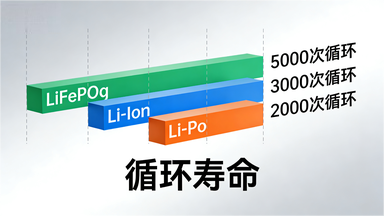
- Cycle Life: A quality 12V lithium battery can handle 2,000–5,000 charge-discharge cycles (vs. 300–500 for 12V lead-acid batteries)—that’s 5–10 years of use with regular charging.
The 3 Main Types of 12V Lithium Batteries
Not all 12V lithium batteries are equal—choose based on your use case (e.g., off-grid camping, solar storage, marine use):
1. 12V Lithium-Ion (Li-Ion) Battery
- Chemistry: Uses liquid electrolyte (e.g., lithium cobalt oxide, lithium nickel manganese cobalt oxide).
- Pros: High energy density (stores more power per pound), fast charging (80% in 1–2 hours), lightweight.
- Cons: Less safe than LFP (risk of overheating if damaged), shorter lifespan than LFP.
- Best For: Portable devices (e.g., 12V power banks), small RVs, and temporary backup power (e.g., for cameras or laptops).
2. 12V Lithium Iron Phosphate (LiFePO4/LFP) Battery
- Chemistry: Uses iron phosphate in the cathode (no cobalt or nickel).
- Pros: Ultra-safe (resistant to thermal runaway—even if punctured), long lifespan (up to 5,000 cycles), deep discharge capability (can use 80–100% of capacity without damage), low maintenance.
- Cons: Slightly lower energy density than Li-Ion (but still 3x better than lead-acid), higher upfront cost (worth it for long-term use).
- Best For: RVs, solar home storage, marine boats, off-grid cabins, and electric trolling motors (high-demand, long-term use).
3. 12V Lithium Polymer (Li-Po) Battery
- Chemistry: Flexible polymer electrolyte (no liquid).
- Pros: Customizable shapes (thin, compact), lightweight, ideal for tight spaces.
- Cons: Lower capacity than Li-Ion/LFP, more expensive for large sizes.
- Best For: Small 12V devices (e.g., wireless security cameras, portable LED strips, mini drones).
-
Why 12V Lithium Batteries Beat Traditional 12V Lead-Acid Batteries
If you’re still using a 12V lead-acid battery (common in older RVs, boats, or backup systems), here’s why upgrading to lithium is a no-brainer:
|
Feature
|
12V Lithium Battery
|
12V Lead-Acid Battery
|
|
Weight
|
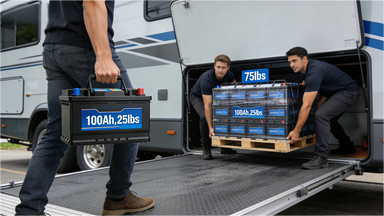
1/3 the weight (e.g., 100Ah = 25 lbs vs. 75 lbs)
|
Heavy (hard to carry/install)
|
|
Lifespan
|
2,000–5,000 cycles (5–10 years)
|
300–500 cycles (1–3 years)
|
|
Capacity Use
|
80–100% (use almost full charge)
|
50% max (damage if discharged below 50%)
|
|
Charging Speed
|
2–4x faster (full charge in 4–6 hours)
|
Slow (full charge in 12–16 hours)
|
|
Maintenance
|
No water refilling, no corrosion
|
Requires regular water checks, prone to rust
|
|
Self-Discharge
|
2–5% per month (holds charge for months)
|
10–15% per month (dies if unused)
|
|
Cold Weather Performance
|
Works well down to -20°C (-4°F)
|
Loses 50% capacity below 0°C (32°F)
|
For example: A 12V 100Ah LiFePO4 battery powers an RV fridge for 3 days straight, while a lead-acid battery of the same size dies in 1 day. And since lithium is lighter, you can easily carry a spare for long camping trips—something you’d never do with a 75-lb lead-acid battery.
Top Applications of 12V Lithium Batteries
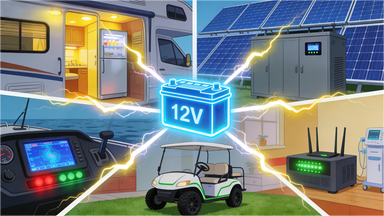
12V is the "universal voltage" for off-grid and mobile power—here’s where these batteries shine:
1. RVs & Camper Vans
- Powers: Lights, mini-fridges, water pumps, inverters (to run 110V devices like microwaves), and USB chargers.
- Why lithium? Saves space/weight (critical for RVs), lasts longer between charges, and requires no maintenance (perfect for busy campers).
2. Solar Home & Off-Grid Systems
- Uses: Stores energy from solar panels to power homes, cabins, or sheds during nights or cloudy days.
- Why lithium? Works seamlessly with solar charge controllers, handles frequent charging/discharging, and has a long lifespan (matches solar panel warranties of 25+ years).
3. Marine Boats & Yachts
- Powers: Fish finders, navigation lights, bilge pumps, radios, and small appliances.
- Why lithium? Resistant to vibration (from boat movement), doesn’t leak (unlike lead-acid), and performs well in humid environments.
4. Emergency Backup Power
- Uses: Keeps essential devices running during blackouts (e.g., Wi-Fi routers, medical equipment, LED lights, and small refrigerators).
- Why lithium? Compact (fits in closets), fast-charging (recharges from wall outlet quickly), and holds a charge for months (ready when you need it).
5. Electric Vehicles (Small-Scale)
- Powers: Electric trolling motors (for fishing boats), golf carts, e-scooters, and ATVs.
- Why lithium? Delivers consistent power (no "voltage drop" during use), lighter than lead-acid (improves vehicle performance), and longer range.
6. Industrial & Commercial Use
- Uses: Security cameras, backup power for POS systems, portable tools, and medical devices (e.g., oxygen concentrators).
- Why lithium? Reliable, low maintenance, and cost-effective over time (fewer replacements than lead-acid).
-
How to Choose the Right 12V Lithium Battery
Not sure which 12V lithium battery to buy? Follow these 5 key steps:
1. Pick the Chemistry (LiFePO4 Is Best for Most)
- For long-term, high-demand use (RVs, solar, boats): Choose LiFePO4 (safest, longest lifespan).
- For portable, short-term use (power banks, small devices): Choose Li-Ion (higher energy density).
- For tight spaces: Choose Li-Po (custom shapes).
2. Check the Capacity (Ah Rating)
- Ah (Ampere-hours): Measures how much power the battery stores. Higher Ah = longer runtime.
- Example: A 12V 100Ah battery can power a 100W device for ~12 hours (12V x 100Ah = 1200Wh; 1200Wh ÷ 100W = 12h).
- Tip: Calculate your daily power needs (e.g., RV fridge = 50W x 24h = 1200Wh) and choose a battery with 2x that capacity (to avoid deep discharging every day).
3. Look for a Built-In BMS (Non-Negotiable!)
- The Battery Management System (BMS) protects the battery from overcharging, over-discharging, short circuits, and overheating—critical for 12V systems (which are often left unattended, e.g., solar setups).
- Avoid cheap 12V lithium batteries without a BMS—they’re unsafe and will fail quickly.
4. Check Discharge Rate (C-Rating)
- C-Rating: How fast the battery can release power. For example:
-
- A 12V 100Ah battery with a 1C rating can deliver 100A continuously.
-
- A 2C rating can deliver 200A (better for high-power devices like trolling motors).
- Tip: For most uses (RVs, solar), a 0.5C–1C rating is sufficient. For high-power tools, go for 2C+.
5. Ensure Compatibility
- Match the battery to your charger: Use a 12V lithium-compatible charger (lead-acid chargers won’t work—they overcharge lithium batteries).
- Check size/weight: Make sure the battery fits in your device (e.g., RV battery compartment) and is easy to install.
Maintenance Tips to Extend Your 12V Lithium Battery’s Life
12V lithium batteries are low-maintenance, but these simple steps will make them last even longer:
- Charge with the right charger: Always use a 12V lithium-specific charger (avoid lead-acid chargers).
- Avoid extreme temperatures: Store and use the battery between 0°C–45°C (32°F–113°F). Don’t leave it in a hot car or freezing garage for weeks.
- Don’t over-discharge: Stop using the battery when it hits 10–20% capacity (the BMS will usually cut it off, but don’t rely on that alone).
- Store partially charged: If not using for months, charge the battery to 50–70% (not full or empty) to preserve cells.
- Keep it clean: Wipe down terminals with a dry cloth to prevent dust/corrosion (especially important for marine/RV use).
Safety & Sustainability: What You Need to Know
Safety Tips for 12V Lithium Batteries
- Never puncture, crush, or short-circuit the battery (risk of fire/explosion).
- Disconnect the battery if it’s damaged (swollen, leaking, or overheating).
- Use in well-ventilated areas (though LiFePO4 batteries are non-toxic, Li-Ion can release fumes if damaged).
- Follow airline rules: Spare 12V lithium batteries go in carry-on luggage (not checked).
Sustainability: Are 12V Lithium Batteries Eco-Friendly?
- Pros: Longer lifespan than lead-acid (fewer replacements = less waste), recyclable (lithium, iron, and other materials can be recovered).
- Cons: Mining lithium and other materials has environmental impacts (e.g., water use in Chile’s lithium mines).
- How to Help: Recycle old 12V lithium batteries at designated drop-offs (hardware stores, battery retailers, or recycling centers)—never throw them in the trash.
-
Final Thoughts: 12V Lithium Battery = Freedom & Reliability
Whether you’re camping off-grid, powering your solar home, or upgrading your boat’s electrical system, a 12V lithium battery offers unmatched freedom: no heavy lifting, no constant maintenance, and power that lasts when you need it most. It’s not just a battery—it’s a way to live and work without being tied to a wall outlet.
Do you have questions about choosing a 12V lithium battery for your specific use case? Or want to share your experience with these batteries? Drop a comment below—I’d love to hear from you!
lithium ion batteries
all energy solar
Related Article

In an era where climate change urgency and energy security concerns dominate global conversations, the shift to renewable energy has moved from a "nice-to-have" to a necessity.
green mountain energy

As the global community grapples with climate change, energy security, and rising fossil fuel costs, solar energy has emerged as a beacon of hope in the transition to a cleaner, more sustainable energy system.
pros of solar energy