12v lithium ion battery
2026-01-07
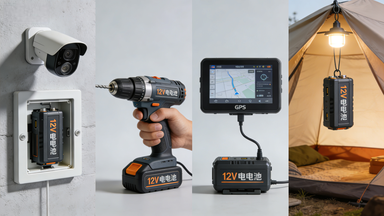
12V Lithium Ion Battery: The Compact and Reliable Power Solution for Small Devices
In the realm of portable and low-voltage power sources, the 12V lithium ion battery has emerged as a staple choice for both consumer and industrial applications. Its unique combination of compact size, lightweight design, stable performance, and long service life makes it ideal for powering a wide range of small-scale devices—from everyday electronics to specialized equipment. Whether you’re looking for a reliable battery for your home security system, a portable power tool, or an off-grid camping gadget, this blog will explore all the essential aspects of 12V lithium ion batteries, helping you understand why they’ve become the go-to power solution for low-voltage needs.
What Makes 12V Lithium Ion Battery Unique?
The 12V lithium ion battery stands out primarily due to its ability to deliver consistent, low-voltage power in a compact form factor—addressing the core needs of devices that don’t require high power output but demand reliability and portability. Let’s break down the key attributes that set it apart from other battery types, such as lead-acid batteries, nickel-cadmium (NiCd) batteries, and even higher-voltage lithium ion alternatives.
First and foremost is its optimal low-voltage output. Unlike higher-voltage batteries (24V, 36V, etc.) that are overkill for small devices, 12V lithium ion batteries provide just the right amount of power to drive low-consumption electronics without causing damage. This makes them incredibly versatile for devices like LED lighting, small fans, portable speakers, and security cameras—all of which rely on stable low-voltage power to operate efficiently. Additionally, their low voltage nature enhances safety, as they pose a lower risk of electric shock compared to higher-voltage battery systems, making them suitable for home use and applications involving children or untrained users.
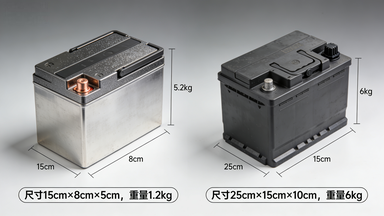
Another major advantage is high energy density. Compared to traditional 12V lead-acid batteries, lithium ion variants offer significantly more energy storage per unit weight and volume. For example, a 12V 10Ah lithium ion battery typically weighs only 1-2kg, while a lead-acid battery of the same capacity can weigh 5-7kg. This lightweight and compact design is a game-changer for portable devices, such as handheld power tools, portable generators, and camping equipment, where weight and size directly impact usability. It also makes them ideal for applications where installation space is limited, like under-seat storage in cars or small enclosures for security devices.
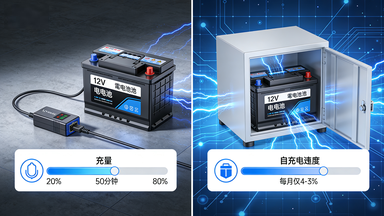
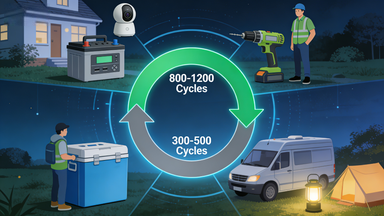
Longevity and durability are also standout features. A high-quality 12V lithium ion battery can withstand 800-1200 charge-discharge cycles before its capacity drops to 80% of its original value, whereas 12V lead-acid batteries usually only last 300-500 cycles. This extended lifespan means fewer replacements over time, reducing long-term costs and environmental waste. Additionally, 12V lithium ion batteries have an extremely low self-discharge rate—losing only 1-3% of their charge per month when not in use. This is a crucial benefit for devices that are used intermittently, such as emergency lighting, backup power systems, or seasonal equipment, as they’ll retain enough charge to function reliably when needed.
Finally, they offer fast charging capabilities and consistent performance. Most 12V lithium ion batteries can be charged to 80% capacity in 30-60 minutes using a compatible charger, significantly reducing downtime compared to lead-acid batteries, which often take 8-12 hours to fully charge. They also maintain a stable voltage output throughout the discharge cycle, ensuring that devices operate at peak performance until the battery is nearly depleted—unlike lead-acid batteries, which experience a gradual voltage drop as they discharge, leading to reduced device performance.
Common Applications of 12V Lithium Ion Batteries
The versatility of 12V lithium ion batteries stems from their compact size, low voltage, and reliable performance, making them suitable for a diverse range of applications across consumer, industrial, and recreational sectors. Below are the most common and practical uses:
-
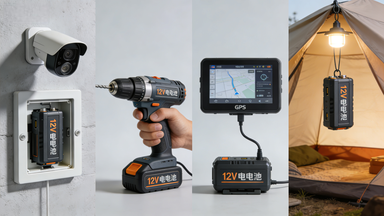
Home and Commercial Security Systems: Security cameras, motion sensors, wireless alarm systems, and access control devices often rely on 12V lithium ion batteries for power. Their low self-discharge rate ensures that these critical systems remain operational even during power outages, while their compact size allows for easy installation in discreet locations (e.g., ceiling mounts, wall enclosures).
-
Portable and Small Power Tools: Lightweight power tools, such as small cordless drills, handheld sanders, mini grinders, and electric screwdrivers, benefit from 12V lithium ion batteries. The battery’s compact design keeps the tools lightweight and easy to maneuver, while its long runtime and fast charging ensure that users can complete small to medium-sized tasks without frequent interruptions. This makes them popular among DIY enthusiasts, hobbyists, and professionals working on light-duty projects.
-
Automotive and Marine Accessories: A wide range of automotive and marine gadgets are powered by 12V lithium ion batteries, including dashcams, GPS trackers, portable car refrigerators, marine fish finders, and boat lighting. These batteries are compatible with the standard 12V electrical systems in cars, trucks, and boats, and their durability allows them to withstand the vibrations and temperature fluctuations typical of automotive and marine environments.
-
Recreational and Outdoor Equipment: For outdoor enthusiasts, 12V lithium ion batteries are a reliable power source for camping gear (portable LED lights, small fans, portable stoves), RV accessories (interior lighting, water pumps), electric coolers, and handheld gaming devices. Their lightweight design makes them easy to carry on hikes, camping trips, or road trips, and their low self-discharge rate ensures they’ll hold a charge for extended periods of storage.
-
Medical and Assistive Devices: Portable medical equipment, such as small oxygen concentrators, handheld nebulizers, and compact patient monitors, often use 12V lithium ion batteries. These batteries provide a stable power supply to ensure the equipment functions reliably, and their compact size makes the devices easier for patients to transport. Additionally, their long lifespan reduces the frequency of battery replacements, which is crucial for medical equipment that needs to be ready for use at all times.
-
Backup Power and Small-Scale Solar Systems: 12V lithium ion batteries are widely used in small backup power systems (e.g., UPS for routers, modems, and small computers) and off-grid solar setups (e.g., solar-powered garden lights, small cabin lighting). They can store energy generated by solar panels during the day and release it when needed, and their fast charging capabilities allow them to quickly replenish power from solar inputs or grid chargers.
-
Tips for Choosing and Maintaining a 12V Lithium Ion Battery
To maximize the performance and lifespan of your 12V lithium ion battery, it’s essential to choose the right battery for your specific needs and follow proper maintenance practices. Below are key factors to consider when purchasing a battery, along with practical maintenance tips.
Key Factors to Consider When Buying
-
Capacity (Ah Rating): Capacity, measured in ampere-hours (Ah), indicates how much energy the battery can store. A higher Ah rating means longer runtime for your device. For example, a 12V 8Ah battery will power a portable speaker longer than a 12V 4Ah battery of the same voltage (assuming similar power draw). When choosing, consider your usage patterns: if you use your device for extended periods without access to a charger, opt for a higher capacity. For intermittent use (e.g., security cameras), a lower capacity may be sufficient.
-
Cell Quality: The quality of the lithium ion cells directly impacts the battery’s performance, safety, and lifespan. Look for batteries made with high-quality cells from reputable manufacturers like Samsung, LG, or Panasonic. These cells undergo strict quality control tests to ensure consistency, have lower failure rates, and are less prone to overheating or thermal runaway (a rare but dangerous issue in low-quality lithium batteries). Avoid batteries with unknown or generic cells, as they may not meet safety standards.
-
Safety Features: Prioritize batteries with built-in protection mechanisms to ensure safe operation. Essential safety features include overcharge protection (prevents damage from overcharging), over-discharge protection (stops the battery from draining too low, which can damage cells), short-circuit protection (prevents fires or explosions from short circuits), and temperature protection (shuts down the battery if it gets too hot or cold). These features not only protect you and your device but also extend the battery’s lifespan.
-
Compatibility: Ensure the battery is fully compatible with your device. Check three critical aspects: voltage (must be 12V, as specified), connector type (the plug must match your device’s port), and physical dimensions (the battery must fit in your device’s battery compartment or mounting space). Using an incompatible battery can damage your device, reduce the battery’s performance, or pose safety risks.
-
Warranty: A solid warranty is a sign of the manufacturer’s confidence in their product. Look for 12V lithium ion batteries with a warranty of at least 1-2 years. This covers defects in materials or workmanship and may include coverage for premature capacity loss. Be sure to read the warranty terms carefully to understand what’s covered (e.g., free replacement, repair) and any exclusions (e.g., damage from improper use).
-
Charging Time: If you need quick access to a fully charged battery, consider the charging time. Most high-quality 12V lithium ion batteries can charge to 80% capacity in 30-60 minutes with a compatible fast charger. However, some budget batteries may take longer to charge, which can be inconvenient if you rely on your device for frequent use.
Maintenance Tips to Maximize Lifespan
-
Use a Compatible Charger: Always charge your 12V lithium ion battery with the charger provided by the manufacturer or a certified replacement. Non-certified chargers may deliver incorrect voltage or current, which can damage the battery’s cells, reduce capacity, or cause safety hazards. Avoid cheap, generic chargers—they often lack proper safety controls and can shorten the battery’s lifespan.
-
Avoid Overcharging and Over-Discharging: While most 12V lithium ion batteries have built-in protection circuits, it’s still good practice to avoid overcharging and over-discharging. Unplug the charger as soon as the battery is fully charged (don’t leave it plugged in overnight regularly), and recharge the battery before it’s completely drained (aim to recharge when the capacity drops to 20-30%). This reduces stress on the battery cells and helps maintain their capacity over time.
-
Store Properly: When not in use for extended periods (e.g., seasonal equipment), store the battery in a cool, dry place. Ideal storage temperatures are between 10°C and 25°C (50°F and 77°F). Avoid storing in extreme heat (e.g., a car in summer) or extreme cold (e.g., an unheated garage in winter), as these temperatures can damage the cells and permanently reduce capacity. Also, store the battery at 40-60% capacity—this is the optimal charge level for long-term storage, as it minimizes cell degradation.
-
Keep Terminals Clean: Regularly inspect the battery’s terminals (metal contacts) and clean them if they’re dirty or corroded. Corrosion can interfere with the battery’s connection to your device, causing poor performance or even failure. To clean, use a dry, soft cloth to wipe away dirt and debris. If corrosion is present, gently wipe it with a cloth dampened with a small amount of isopropyl alcohol (avoid using water or harsh chemicals, as they can damage the terminals or battery casing).
-
Use Regularly: Lithium ion batteries perform best when used regularly. If you have a seasonal device (e.g., camping gear), try to use the battery at least once every few months to keep the cells active. This helps maintain capacity and prevents the battery from entering a deep discharge state, which can be difficult to recover from and may shorten its lifespan.
-
Avoid Physical Damage: Protect the battery from drops, impacts, and punctures. Physical damage can damage the internal cells or short-circuit the battery, leading to safety risks or permanent failure. If the battery casing is cracked, dented, or leaking, stop using it immediately and replace it.
-
Is a 12V Lithium Ion Battery Worth It?
One common question about 12V lithium ion batteries is whether their higher upfront cost is justified compared to cheaper alternatives like lead-acid batteries. While it’s true that 12V lithium ion batteries are more expensive initially, their long-term benefits make them a worthwhile investment for most users—especially those who value reliability, portability, and low maintenance.
For homeowners and DIY enthusiasts, the lightweight design and long lifespan mean less hassle (fewer battery replacements) and easier use of portable tools and devices. For professionals who rely on small power tools or security systems, the fast charging capabilities and consistent performance reduce downtime, improving productivity. For outdoor enthusiasts, the compact size and low self-discharge rate make 12V lithium ion batteries ideal for camping and road trips, where portability and reliability are key.
Additionally, 12V lithium ion batteries are more environmentally friendly than lead-acid batteries. They contain no toxic lead, are more energy-efficient to produce, and have a longer lifespan—reducing the number of batteries that end up in landfills. For eco-conscious consumers, this is an added benefit that further justifies the investment.
In cases where cost is the primary concern and the device is used infrequently (e.g., a backup battery for a rarely used gadget), a lead-acid battery may be a temporary solution. However, for most users who rely on their 12V-powered devices regularly, the long-term savings and convenience of a lithium ion battery far outweigh the initial cost.
Conclusion
The 12V lithium ion battery has established itself as a reliable, versatile power solution for a wide range of small devices and applications. Its unique combination of compact size, lightweight design, stable low-voltage output, long lifespan, and fast charging capabilities makes it stand out from traditional battery alternatives. Whether you’re powering a home security system, a portable power tool, or outdoor camping gear, a 12V lithium ion battery delivers the performance and reliability you need.
By understanding the key advantages of 12V lithium ion batteries, choosing the right battery for your needs, and following proper maintenance practices, you can ensure that your battery provides consistent power for years to come. While the initial cost may be higher than other options, the long-term savings, convenience, and environmental benefits make it a smart investment for anyone in need of a compact, reliable low-voltage power source.
48v lithium battery
12 volt lifepo4 battery
Related Article

In an era where climate change urgency and energy security concerns dominate global conversations, the shift to renewable energy has moved from a "nice-to-have" to a necessity.
green mountain energy

As the global community grapples with climate change, energy security, and rising fossil fuel costs, solar energy has emerged as a beacon of hope in the transition to a cleaner, more sustainable energy system.
pros of solar energy