18650 lithium battery
2025-12-26
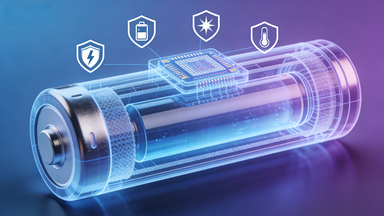
18650 Lithium Battery: The Versatile Power Core for Modern Devices
In the realm of rechargeable batteries, few models have achieved the widespread acclaim and utility of the 18650 lithium battery. Named for its standardized dimensions—18mm in diameter and 65mm in length—this cylindrical battery has become a cornerstone power source for countless modern devices, spanning consumer electronics, industrial equipment, and even renewable energy systems. Its unique combination of compact size, high energy density, and reliable performance has made it a favorite among manufacturers and end-users alike. Whether you’re a tech enthusiast, a professional relying on portable tools, or simply someone curious about the batteries powering your daily gadgets, this blog will unpack everything you need to know about the 18650 lithium battery and why it remains irreplaceable in today’s power landscape.

What Makes the 18650 Lithium Battery Unique?
The 18650 lithium battery’s enduring popularity stems from a suite of inherent advantages that set it apart from other rechargeable battery types, such as AA/AAA batteries, lead-acid batteries, or even newer pouch-style lithium-ion batteries. Let’s break down the key traits that make it a standout choice:
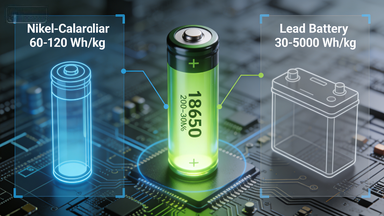
First and foremost is its exceptional energy density. Energy density, measured in watt-hours per kilogram (Wh/kg), refers to the amount of energy a battery can store relative to its weight. 18650 lithium batteries typically boast an energy density of 200-300 Wh/kg, far exceeding that of nickel-cadmium (NiCd) batteries (60-120 Wh/kg) and lead-acid batteries (30-50 Wh/kg). This means they can deliver more power for longer periods without adding excessive weight— a critical advantage for portable devices like laptops, flashlights, and electric vehicles where size and weight are paramount. For example, a single 18650 battery can store enough energy to power a high-performance flashlight for 10-15 hours, whereas a comparable lead-acid battery would be significantly bulkier and heavier.
Standardization is another key strength. The 18650’s fixed dimensions were originally developed by Sony in the 1990s, and this standardization has been widely adopted by manufacturers worldwide. This uniformity allows the battery to be easily integrated into a wide range of devices, from small consumer electronics to large-scale battery packs (such as those in electric cars). Unlike custom-sized batteries, which are costly to produce and replace, 18650 batteries are readily available and interchangeable across compatible devices, reducing manufacturing costs and improving user convenience.
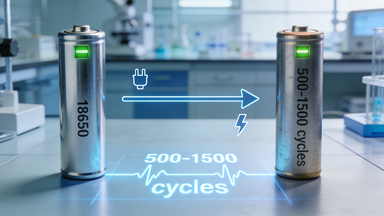
Durability and long cycle life further cement the 18650’s reputation. A high-quality 18650 lithium battery can withstand 500-1500 charge-discharge cycles before its capacity drops to 80% of its original value—far more than NiCd batteries (300-500 cycles) and lead-acid batteries (300-500 cycles). This extended lifespan means fewer replacements over time, lowering long-term costs and reducing environmental waste. Additionally, 18650 batteries have a low self-discharge rate (typically 1-3% per month when not in use), making them ideal for devices that may sit idle for extended periods, such as emergency flashlights or backup power supplies.
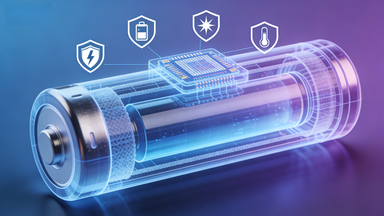
Safety is also a notable feature of modern 18650 lithium batteries. While early lithium-ion batteries had concerns about overheating or thermal runaway, today’s 18650 models are equipped with built-in protection circuits (BMS, Battery Management System) that prevent overcharging, over-discharging, short-circuiting, and overheating. High-quality 18650 cells (from brands like Samsung, LG, and Panasonic) undergo rigorous testing to ensure reliability, making them a safe choice for both consumer and industrial applications.
Common Applications of 18650 Lithium Batteries
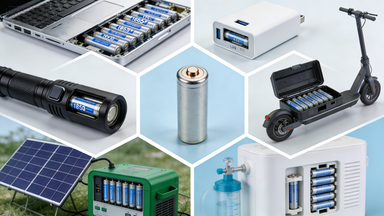
The versatility of the 18650 lithium battery is unmatched, thanks to its balanced combination of size, power, and durability. Below are some of its most prevalent and impactful applications:
-
Consumer Electronics: This is the most familiar domain for 18650 batteries. They power a wide range of devices, including laptops (many high-performance laptops use multiple 18650 cells in their battery packs), portable power banks (which convert the battery’s 3.6V/3.7V output to 5V for charging phones and tablets), high-performance flashlights (especially tactical and outdoor flashlights that require bright, long-lasting illumination), and digital cameras (providing reliable power for extended shooting sessions).
-
Electric Vehicles (EVs) and E-Mobility: While newer EV models often use larger 21700 or 4680 cells, many early electric cars (such as the Tesla Model S and Model X) relied heavily on 18650 battery packs (with thousands of cells connected in series and parallel). Beyond full-size EVs, 18650 batteries are also used in electric scooters, electric bikes, and electric skateboards, where their high energy density and lightweight design enable longer ranges and better performance.
-
Portable Power Tools: Professional-grade cordless tools (drills, impact wrenches, circular saws, and angle grinders) frequently use 18650 batteries. These tools require high power output and long runtime to handle tough materials like concrete and steel, and 18650 cells deliver the necessary performance without adding excessive weight. For tradespeople who use tools all day, the long cycle life and quick charging capabilities of 18650 batteries mean minimal downtime.
-
Renewable Energy Storage: 18650 battery packs are widely used in small-scale solar energy storage systems and off-grid power setups. They can store energy generated by solar panels during the day and release it at night or during power outages, powering essential appliances like refrigerators, lights, and routers. Their high energy density and long lifespan make them a cost-effective choice for renewable energy storage, especially for residential and small commercial applications.
-
Medical Devices: Many portable medical devices, such as portable oxygen concentrators, defibrillators, and glucose monitors, rely on 18650 lithium batteries. These devices require reliable, long-lasting power to ensure they function when needed, and the 18650’s stability, low self-discharge rate, and safety features make it an ideal power source.
-
Industrial and Aerospace Applications: In industrial settings, 18650 batteries power remote sensors, monitoring equipment, and portable industrial lights. They are also used in some aerospace applications, such as small satellites and unmanned aerial vehicles (UAVs), where their compact size and high energy density are critical for space-constrained environments.
Tips for Choosing and Maintaining 18650 Lithium Batteries
To get the most out of your 18650 lithium battery, it’s essential to choose a high-quality product and follow proper maintenance practices. Below are key considerations for purchasing and caring for your 18650 battery:
Key Factors to Consider When Buying
-
Cell Quality and Brand: The quality of the 18650 cell is the most critical factor. Always choose cells from reputable brands like Samsung (INR18650-25R, INR18650-30Q), LG (LG HG2, LG MJ1), or Panasonic (NCR18650B). These brands use high-purity materials and rigorous manufacturing processes to ensure consistent performance, safety, and long lifespan. Avoid cheap, unbranded 18650 cells, which may be counterfeit, have low capacity, or lack proper safety features.
-
Capacity (mAh Rating): Capacity, measured in milliampere-hours (mAh), indicates how much energy the battery can store. Common 18650 capacities range from 1800mAh to 3600mAh. A higher mAh rating means longer runtime for your device. For example, a 3000mAh 18650 battery will power a flashlight longer than a 2000mAh one. When choosing, consider your usage needs: if you use your device for extended periods without access to a charger, opt for a higher-capacity cell.
-
Voltage and Discharge Rate: 18650 lithium batteries typically have a nominal voltage of 3.6V or 3.7V. The discharge rate, measured in C-rating (where 1C = the battery’s capacity in mAh), indicates how quickly the battery can deliver power. For example, a 3000mAh battery with a 10C discharge rate can deliver up to 30A of current (3000mAh × 10 = 30,000mA = 30A). High-discharge-rate cells (5C and above) are ideal for power-hungry devices like electric tools and EVs, while low-discharge-rate cells (1-2C) are suitable for consumer electronics like flashlights and power banks.
-
Safety Features: Ensure the battery has a built-in Battery Management System (BMS) or protection circuit. This circuit protects against overcharging (which can damage the cell or cause overheating), over-discharging (which can permanently reduce capacity), short-circuiting (which can cause fires), and over-temperature (which can trigger thermal runaway). Some 18650 batteries also have a PTC (Positive Temperature Coefficient) resistor that limits current if the battery overheats.
-
Compatibility: Check that the 18650 battery is compatible with your device. Verify the voltage (must match your device’s requirements), physical dimensions (18mm × 65mm, but some devices may use slightly modified sizes), and connector type (if the battery is part of a pack). Using an incompatible battery can damage your device or the battery itself.
-
Maintenance Tips to Maximize Lifespan
-
Use a Compatible Charger: Always charge 18650 batteries with a charger designed for lithium-ion batteries (preferably one that matches the battery’s voltage and capacity). Avoid using cheap, generic chargers, which may deliver inconsistent voltage or current, damaging the cell. Look for chargers with overcharge protection and automatic shutoff once the battery is fully charged.
-
Avoid Extreme Temperatures: 18650 batteries perform best at temperatures between 10°C and 45°C (50°F and 113°F). Avoid charging or using the battery in extreme heat (e.g., a car in summer) or extreme cold (e.g., a garage in winter), as this can damage the cell, reduce capacity, and shorten lifespan. High temperatures are particularly harmful, as they can accelerate cell degradation.
-
Store Properly: When not in use for extended periods, store 18650 batteries in a cool, dry place (ideally 10°C-25°C) at 40-60% capacity. Storing a fully charged or fully discharged battery for a long time can cause permanent capacity loss. Use a battery storage case to protect the terminals from short-circuiting (e.g., from contact with metal objects like keys).
-
Avoid Over-Discharging and Over-Charging: Even with a BMS, it’s best to avoid fully discharging the battery (aim to recharge when capacity drops to 20-30%) and over-charging (unplug the charger once fully charged). Over-discharging can damage the cell’s chemistry, while over-charging can cause overheating and reduce lifespan.
-
Keep Terminals Clean: Regularly inspect the battery’s positive and negative terminals for dirt, corrosion, or debris. Clean them with a dry, soft cloth if necessary. Corroded or dirty terminals can interfere with the battery’s connection to your device, causing poor performance or failure. Never use water or harsh chemicals to clean the terminals, as this can damage the battery.
Is the 18650 Lithium Battery Worth It?
While 18650 lithium batteries are more expensive upfront than traditional batteries like NiCd or lead-acid, their long-term value is undeniable. Their high energy density, long cycle life, and low maintenance requirements mean fewer replacements, lower long-term costs, and less environmental impact. For users who rely on portable devices (professionals with tools, commuters with e-bikes, or outdoor enthusiasts with flashlights), the 18650’s performance and reliability far outweigh the initial cost.
Moreover, the 18650’s standardization and wide availability make it a convenient choice. Unlike custom batteries, which can be hard to find and expensive to replace, 18650 batteries are sold by most electronics retailers and online stores, ensuring easy access when you need a replacement.
For eco-conscious consumers, the 18650 is also a more sustainable option. Lithium-ion batteries are more energy-efficient to produce than lead-acid batteries, and their long lifespan reduces the number of batteries that end up in landfills. Additionally, many 18650 components are recyclable, further minimizing their environmental footprint.
Conclusion
The 18650 lithium battery has earned its reputation as a versatile, reliable power core for modern devices. Its unique combination of compact size, high energy density, long cycle life, and safety features has made it indispensable in consumer electronics, industrial equipment, renewable energy storage, and e-mobility. By choosing high-quality cells and following proper maintenance practices, you can ensure that your 18650 battery delivers consistent performance for years to come.
Whether you’re powering a flashlight for a night hike, a laptop for a work trip, or an electric scooter for your daily commute, the 18650 lithium battery is a power solution you can trust. Its enduring popularity is a testament to its effectiveness, and as technology continues to evolve, it will likely remain a key player in the rechargeable battery market for years to come.
aa lithium battery
3v lithium battery
Related Article

In an era where climate change urgency and energy security concerns dominate global conversations, the shift to renewable energy has moved from a "nice-to-have" to a necessity.
green mountain energy

As the global community grapples with climate change, energy security, and rising fossil fuel costs, solar energy has emerged as a beacon of hope in the transition to a cleaner, more sustainable energy system.
pros of solar energy