3v lithium battery
2025-12-26
3V Lithium Battery: The Compact Power Solution for Small Devices
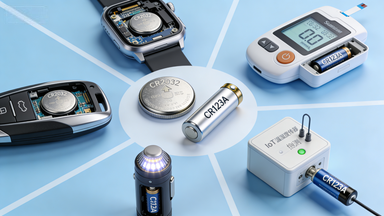
In the realm of portable power sources, not all batteries are designed for high-performance, heavy-duty tasks. For the countless small electronic devices that weave into the fabric of our daily lives—from the key fob in your pocket to the digital thermometer in your medicine cabinet—reliability comes in a compact form: the 3V lithium battery. Unlike its higher-voltage counterparts (such as 12V or 36V lithium batteries) that power tools and e-vehicles, the 3V lithium battery excels at delivering steady, low-power output over extended periods, making it the unsung hero of miniaturized electronics. This blog explores what makes 3V lithium batteries unique, their most common applications, how to choose the right one, and why they’re indispensable for modern small-scale devices.


What Sets 3V Lithium Batteries Apart?
The 3V lithium battery’s popularity stems from its ability to meet the specific needs of small, low-power electronics—needs that traditional alkaline batteries or higher-voltage lithium batteries often fail to address. Let’s break down its key advantages:
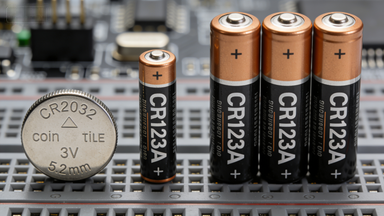
First and foremost is its compact size and lightweight design. 3V lithium batteries are typically available in coin cell (e.g., CR2032, CR2025) or cylindrical (e.g., CR123A) form factors, both of which are ultra-slim and lightweight. This makes them ideal for devices with limited internal space, such as smartwatches, hearing aids, and small sensors. For example, a CR2032 coin cell—one of the most common 3V lithium batteries—measures just 20mm in diameter and 3.2mm in thickness, fitting seamlessly into the tiny compartments of key fobs and digital scales.
Another standout feature is exceptional long-term performance and low self-discharge. Unlike alkaline batteries, which lose significant charge over time (even when not in use), 3V lithium batteries have an extremely low self-discharge rate—often less than 1% per year. This means they can retain their charge for 5 to 10 years when stored properly, making them perfect for devices that are used infrequently but need to work reliably when called upon, such as emergency flashlights, smoke detectors, or backup power for small electronic modules.
3V lithium batteries also deliver stable voltage output throughout their lifespan. Alkaline batteries experience a gradual voltage drop as they discharge, which can cause devices to malfunction (e.g., dim displays, inaccurate readings) before the battery is fully depleted. In contrast, 3V lithium batteries maintain a consistent 3V output until nearly the end of their charge cycle, ensuring that small electronics operate at peak performance right up to the point of needing replacement.
Finally, they offer superior durability and wide temperature tolerance. Lithium chemistry makes these batteries resistant to extreme temperatures, operating reliably in environments ranging from -40°C (-40°F) to 85°C (185°F). This makes them suitable for outdoor or industrial small devices, such as weather sensors, remote industrial monitors, or outdoor thermometers, where temperature fluctuations are common.
Common Applications of 3V Lithium Batteries
The versatility of 3V lithium batteries lies in their ability to power a vast array of small, low-consumption devices across consumer, industrial, and medical sectors. Here are their most prevalent uses:
-
Consumer Electronics: This is the largest market for 3V lithium batteries. Common devices include coin cell-powered items like key fobs (car, home security), digital thermometers, kitchen scales, smartwatches, fitness trackers, and remote controls (for TVs, air conditioners, or garage doors). Cylindrical 3V lithium batteries (e.g., CR123A) are used in compact cameras, flashlights, and some portable audio devices, where a slightly higher capacity is needed without sacrificing size.
-
Medical Devices: Reliability is critical in medical equipment, and 3V lithium batteries deliver on this front. They power small medical devices such as hearing aids, glucose meters, blood pressure monitors, and portable pulse oximeters. Their long lifespan and stable voltage ensure that these life-saving or health-monitoring devices don’t fail unexpectedly, and their compact size allows for the miniaturization of wearable or handheld medical tools.
-
Industrial and IoT Sensors: The Internet of Things (IoT) relies heavily on small, low-power sensors that can operate for years without battery replacement. 3V lithium batteries are ideal for these applications, including temperature and humidity sensors, motion detectors, asset trackers, and smart home sensors (e.g., door/window sensors, water leak detectors). Their low self-discharge and wide temperature tolerance make them suitable for both indoor and outdoor industrial environments.
-
Automotive Electronics: Beyond key fobs, 3V lithium batteries power various small electronic components in vehicles, such as tire pressure monitoring systems (TPMS) sensors, dashboard displays, and backup cameras. These components require steady power in harsh automotive environments (extreme temperatures, vibration), and 3V lithium batteries’ durability makes them a reliable choice.
-
Recreational and Emergency Devices: Compact flashlights, laser pointers, small remote-controlled toys, and emergency beacons often use 3V lithium batteries. Their long shelf life also makes them a staple in emergency kits, where they can power emergency flashlights or radios for extended periods when needed.
-
Tips for Choosing and Maintaining 3V Lithium Batteries
While 3V lithium batteries are relatively low-maintenance, choosing the right type and caring for them properly can extend their lifespan and ensure optimal performance. Here’s what you need to know:
Key Factors to Consider When Buying
-
Battery Type and Form Factor: The most common 3V lithium battery types are coin cells (CR series: CR2032, CR2025, CR2016) and cylindrical cells (CR123A, CR2). Choose the form factor that matches your device’s battery compartment—for example, CR2032 is the standard for most key fobs and digital scales, while CR123A is used for compact flashlights. Always check your device’s manual for the correct battery type.
-
Capacity (mAh Rating): Capacity, measured in milliampere-hours (mAh), indicates how much energy the battery can store. For coin cells, capacity typically ranges from 200mAh (CR2016) to 240mAh (CR2032), while cylindrical 3V lithium batteries (CR123A) have higher capacities (around 1500mAh). Choose a higher capacity if your device is used frequently (e.g., a fitness tracker) to reduce replacement frequency.
-
Brand Reliability: Opt for reputable brands like Panasonic, Sony, Duracell, or Energizer. Cheap, generic 3V lithium batteries may have lower quality cells, leading to shorter lifespan, inconsistent voltage output, or even leakage (which can damage your device). Reputable brands undergo rigorous testing to ensure safety and performance.
-
Shelf Life: Check the battery’s expiration date before purchasing. Since 3V lithium batteries are often used in devices with infrequent use, choosing a battery with a long shelf life (5+ years) ensures it will still hold a charge when you need it. Avoid batteries that are close to their expiration date.
-
Safety Features: Look for batteries with built-in safety mechanisms, such as over-discharge protection and leakage resistance. While 3V lithium batteries have a low risk of thermal runaway (compared to higher-voltage lithium batteries), quality batteries are less likely to leak corrosive fluids that can damage sensitive electronic components.
Maintenance Tips to Maximize Lifespan
-
Store Properly: When not in use, store 3V lithium batteries in a cool, dry place (between 10°C and 25°C / 50°F and 77°F). Avoid storing them in extreme heat (e.g., a car in summer) or humidity, as this can degrade the battery’s performance and shorten its lifespan. Keep them away from metal objects to prevent short-circuiting.
-
Avoid Mixing Battery Types: Never mix 3V lithium batteries with alkaline batteries or other battery chemistries in the same device. Mixing battery types can cause voltage imbalances, leading to leakage, overheating, or damage to the device.
-
Remove Batteries from Unused Devices: If you won’t be using a device for an extended period (e.g., a seasonal toy or emergency flashlight), remove the 3V lithium battery. While these batteries have low self-discharge, prolonged contact with the device’s terminals can still lead to minor leakage over time, especially if the device is exposed to temperature fluctuations.
-
Handle with Care: Avoid dropping, crushing, or puncturing 3V lithium batteries. Physical damage can cause the battery’s internal components to short-circuit, leading to overheating or leakage. Always handle them gently, especially coin cells, which are thin and fragile.
Is a 3V Lithium Battery Worth the Investment?
Compared to standard alkaline batteries, 3V lithium batteries are often more expensive—sometimes twice as much. However, their long lifespan, stable performance, and low self-discharge make them a cost-effective choice for most small devices, especially those that are used infrequently or require reliable power. For example, a single 3V lithium coin cell can power a key fob for 5+ years, while an alkaline battery might need replacement every 6-12 months. Over time, the fewer replacements mean lower overall costs.
Additionally, 3V lithium batteries are far less likely to leak than alkaline batteries, which can save you from costly device repairs or replacements. For high-value devices like smartwatches, hearing aids, or medical equipment, the reliability of a 3V lithium battery is well worth the extra upfront cost. For budget-conscious users, generic 3V lithium batteries are available, but it’s important to balance cost with quality—opting for a mid-range brand can ensure performance without overspending.

Conclusion
While 3V lithium batteries may not have the power of their higher-voltage counterparts, they play an irreplaceable role in powering the small electronic devices that simplify and enhance our daily lives. Their compact size, long lifespan, stable voltage output, and wide temperature tolerance make them the ideal power solution for consumer electronics, medical devices, IoT sensors, and automotive components.
By understanding the key factors to consider when choosing a 3V lithium battery and following proper maintenance practices, you can ensure that your small devices operate reliably for years. Whether you’re replacing the battery in your key fob, a glucose meter, or a smart home sensor, a high-quality 3V lithium battery is a small investment that delivers big returns in terms of performance and peace of mind.
18650 lithium battery
12 volt lithium battery
Related Article

In an era where climate change urgency and energy security concerns dominate global conversations, the shift to renewable energy has moved from a "nice-to-have" to a necessity.
green mountain energy

As the global community grapples with climate change, energy security, and rising fossil fuel costs, solar energy has emerged as a beacon of hope in the transition to a cleaner, more sustainable energy system.
pros of solar energy