48 volt lithium battery
2025-12-29

48V Lithium Battery: High-Power Solution for Demanding Applications
In the realm of high-performance rechargeable power sources, the 48V lithium battery has emerged as a game-changer, tailored to meet the rigorous demands of heavy-duty equipment and high-power devices. From propelling commercial electric vehicles to energizing industrial machinery and advanced renewable energy systems, this battery voltage rating strikes a critical balance between raw power, operational efficiency, and safety. Whether you’re a fleet manager upgrading to electric logistics vehicles, an industrial operator seeking reliable power for heavy tools, or an off-grid enthusiast building a robust energy storage setup, this blog explores the core attributes, applications, and practical considerations of 48V lithium batteries, explaining why they’ve become the preferred choice for high-demand scenarios.


What Sets 48V Lithium Battery Apart?
The rise of 48V lithium batteries is driven by their unique ability to deliver higher power output without the excessive complexity and cost of ultra-high-voltage systems (72V+). Unlike lower-voltage alternatives (12V, 24V, 36V) that struggle to sustain performance for energy-intensive devices, 48V lithium batteries offer a sweet spot for applications requiring both power and practicality. Let’s break down their key distinguishing features:
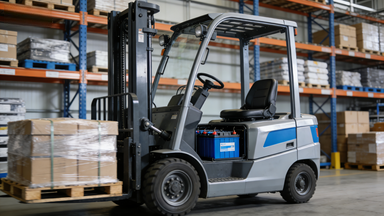
First, superior power delivery and efficiency. 48V systems operate at a higher voltage level, which translates to lower current draw for the same power output (per the formula P = V×I). Lower current means reduced energy loss through heat and resistance in wiring, making 48V lithium batteries significantly more efficient than lower-voltage options for high-power devices. For example, a 48V electric forklift can lift heavier loads (up to 5 tons or more) and maintain consistent performance throughout a full work shift, whereas a 36V counterpart might experience power degradation under heavy loads. Additionally, the higher voltage enables faster acceleration and better torque for electric vehicles, a critical advantage for commercial and industrial mobility.
Second, advanced lithium-ion technology enhances energy density and portability. Despite their high power, 48V lithium batteries leverage the high energy density of lithium-ion cells, allowing them to store large amounts of energy in a relatively compact and lightweight form factor. Compared to traditional lead-acid batteries of the same voltage and capacity, 48V lithium batteries can be up to 50% lighter. This is a game-changer for mobile applications like electric scooters (commercial delivery models), electric bikes (cargo or off-road variants), and portable industrial tools, where weight directly impacts maneuverability and usability. For instance, a commercial delivery e-scooter with a 48V lithium battery is easier for riders to handle during long shifts, while also offering a longer range than a lead-acid-powered equivalent.
Third, exceptional lifespan and low maintenance. High-quality 48V lithium batteries can endure 1,200+ charge-discharge cycles before their capacity drops to 80% of the original value—far exceeding the 300-500 cycles of lead-acid batteries and outperforming many lower-voltage lithium batteries. This extended lifespan reduces the frequency of battery replacements, lowering long-term operational costs for businesses and individual users alike. Moreover, 48V lithium batteries have an extremely low self-discharge rate (only 1-2% per month), making them ideal for backup power systems and seasonal equipment that may sit idle for extended periods. They retain sufficient charge to perform reliably when needed, without the risk of deep discharge damage common in lead-acid batteries.
Fourth, enhanced safety and scalability. Modern 48V lithium batteries are equipped with advanced Battery Management Systems (BMS) that provide comprehensive protection against overcharging, over-discharging, short-circuiting, and thermal runaway. Unlike higher-voltage systems (72V+), which require specialized wiring, cooling, and safety protocols, 48V systems are relatively straightforward to integrate into existing equipment, reducing installation and maintenance complexity. Additionally, 48V battery packs can be easily scaled (connected in series or parallel) to meet higher power or capacity requirements, making them versatile for a wide range of applications.

Common Applications of 48V Lithium Batteries
The high power, efficiency, and versatility of 48V lithium batteries make them indispensable across numerous industries and use cases. Below are the most prominent applications where 48V lithium batteries excel:
-
Commercial and Industrial Electric Vehicles: This is one of the largest application areas for 48V lithium batteries. Commercial electric forklifts, pallet jacks, warehouse utility vehicles, delivery e-scooters, and light electric trucks rely on 48V power to handle heavy loads and long operational hours. For example, warehouse forklifts powered by 48V lithium batteries can operate continuously for 8-12 hours on a single charge, with fast charging capabilities (80% charge in 45-60 minutes) minimizing downtime. Delivery e-scooters benefit from the 48V system’s balance of power and range, enabling them to carry heavy packages (up to 50kg) over long distances (40-60 km per charge).
-
Heavy-Duty Professional Tools: Industrial-grade power tools, such as large cordless angle grinders, concrete cutters, jackhammers, and chainsaws, require high power to handle tough materials. 48V lithium batteries provide the sustained energy needed for these tools to operate efficiently, even during prolonged use. For construction workers and mechanics, the long runtime and quick charging of 48V lithium batteries mean less time spent recharging and more time on task. Unlike lower-voltage tools, 48V models can cut through thick steel, concrete, and hardwood without lagging or power loss.
-
Renewable Energy Storage and Backup Power: 48V lithium battery packs are widely used in small to medium-scale solar energy storage systems, off-grid power setups, and backup power solutions for businesses and homes. They can store large amounts of energy generated by solar panels during the day, releasing it at night or during power outages to run essential equipment (air conditioners, refrigerators, industrial machinery, and office electronics). The high efficiency of 48V systems ensures minimal energy loss during storage and discharge, making them ideal for off-grid homes, remote work sites, and small businesses that rely on consistent power.
-
Recreational and Off-Road Vehicles: Off-road electric bikes (e-MTBs), electric ATVs, UTVs, and small electric boats often use 48V lithium batteries to deliver the power needed for rough terrain and high speeds. For example, a 48V electric ATV can reach speeds of 40-50 km/h and climb steep inclines (up to 30 degrees) with ease, while offering a range of 30-50 km per charge. The lightweight design of 48V lithium batteries also improves the maneuverability of these recreational vehicles, enhancing the user experience.
-
Industrial Automation and Robotics: Industrial robots, automated guided vehicles (AGVs), and conveyor systems in manufacturing facilities require reliable, high-power sources to operate continuously. 48V lithium batteries provide the consistent energy needed for these systems to perform precision tasks, such as material handling, assembly, and packaging, without interruptions. The long lifespan and low maintenance of 48V lithium batteries make them a cost-effective choice for industrial automation, where downtime can be extremely costly.
Tips for Choosing and Maintaining a 48V Lithium Battery
To maximize the performance and lifespan of your 48V lithium battery, it’s crucial to select the right battery for your specific needs and follow proper maintenance practices. Below are key factors to consider when purchasing a 48V lithium battery, along with essential maintenance tips:

Key Factors to Consider When Buying
-
Capacity (Ah Rating): Capacity, measured in ampere-hours (Ah), determines how much energy the battery can store and how long it can power your device. Higher Ah ratings mean longer runtime. For example, a 20Ah 48V battery will power a commercial forklift for longer than a 10Ah battery of the same voltage. When choosing, consider your typical usage: if you use your device for extended periods without access to a charger (e.g., all-day warehouse operations), opt for a higher capacity battery. Also, consider the battery’s C-rate (discharge rate), which indicates how quickly it can deliver power—higher C-rates are better for high-demand devices like jackhammers.
-
Cell Quality: The quality of the lithium-ion cells used in the battery directly impacts performance, safety, and lifespan. Look for batteries made with high-grade cells from reputable manufacturers like Samsung, LG, Panasonic, or CATL. These cells undergo strict quality control testing, ensuring consistent performance, lower failure rates, and reduced risk of thermal runaway. Avoid batteries with low-quality, unbranded cells, as they may be prone to overheating, capacity degradation, and safety hazards.
-
Battery Management System (BMS): A robust BMS is essential for the safety and longevity of a 48V lithium battery. Ensure the battery has a high-quality BMS that provides comprehensive protection against overcharging, over-discharging, short-circuiting, overcurrent, and temperature extremes. Some advanced BMS systems also offer cell balancing, which ensures all cells in the pack charge and discharge evenly, extending the battery’s lifespan and maintaining performance.
-
Compatibility: Verify that the battery is fully compatible with your device. Check three key aspects: voltage (must be 48V), connector type (the plug must match your device’s port), and physical dimensions (the battery must fit in your device’s battery compartment). Using an incompatible battery can damage your device, reduce performance, and pose safety risks. For industrial equipment and vehicles, consult the manufacturer’s specifications to ensure compatibility.
-
Warranty and Manufacturer Reputation: Choose a battery from a reputable manufacturer with a strong warranty. Look for warranties of at least 2-3 years, which cover defects in materials, workmanship, and premature capacity loss. A good warranty indicates the manufacturer’s confidence in their product. Additionally, research the manufacturer’s customer reviews and after-sales service to ensure you can get support if needed.
Maintenance Tips to Maximize Lifespan
-
Use a Certified Charger: Always charge your 48V lithium battery with the charger provided by the manufacturer or a certified replacement. Non-certified chargers may deliver incorrect voltage or current, damaging the battery’s cells, reducing capacity, or causing safety issues. Avoid cheap, generic chargers—they lack the necessary safety features and can shorten the battery’s lifespan significantly.
-
Avoid Extreme Charging and Discharging: While most 48V lithium batteries have BMS protection, it’s still best to avoid overcharging and deep discharging. Unplug the charger as soon as the battery is fully charged (do not leave it plugged in overnight regularly), and recharge the battery before it drops below 20% capacity. Deep discharging can stress the battery cells, leading to permanent capacity loss. For optimal performance, keep the battery’s charge level between 20% and 80%.
-
Store Properly: When storing the battery for extended periods (more than a month), keep it in a cool, dry place with temperatures between 10°C and 25°C (50°F and 77°F). Avoid storing in extreme heat (e.g., a car in summer) or extreme cold (e.g., an unheated garage in winter), as these temperatures can damage the cells and reduce capacity permanently. Also, store the battery at 40-60% capacity—this is the optimal charge level for long-term storage, as it minimizes cell degradation.
-
Keep Terminals Clean and Dry: Regularly inspect the battery’s terminals (metal contacts) for dirt, corrosion, or moisture. Corrosion can interfere with the battery’s connection to your device, causing poor performance or failure. To clean the terminals, use a dry, soft cloth or a small brush to wipe away debris. Do not use water or harsh chemicals, as they can damage the terminals or the battery’s casing.
-
Use Regularly and Avoid Idleness: Lithium batteries perform best when used regularly. If you have seasonal equipment (e.g., a winter snowplow or summer electric boat), use the battery at least once every 2-3 months to keep the cells active. This helps maintain capacity and prevents the battery from entering a deep discharge state, which can be difficult to recover from. If the battery is idle for too long, charge it to 50% capacity every few months to keep the cells healthy.
-
Is a 48V Lithium Battery Worth the Investment?
One of the most common questions about 48V lithium batteries is whether their higher upfront cost is justified compared to lower-voltage lithium batteries or lead-acid batteries. The short answer is yes—especially for users who rely on high-power devices or equipment for commercial, industrial, or heavy-duty personal use.
For businesses (warehouses, construction companies, delivery fleets), the long lifespan of 48V lithium batteries (1,200+ cycles) means fewer replacements, reducing long-term operational costs. The improved efficiency and faster charging also translate to less downtime, increasing productivity. For example, a warehouse using 48V lithium-powered forklifts will spend less on battery replacements and charger downtime than one using lead-acid-powered forklifts.
For individual users with high-demand needs (off-road e-bike enthusiasts, off-grid homeowners), the 48V lithium battery’s power and range make it a superior choice to lower-voltage options. While the upfront cost is higher, the extended lifespan and low maintenance mean you’ll save money over time. Additionally, the lightweight design and safety features make 48V lithium batteries more user-friendly than heavier, less safe alternatives.
Environmentally, 48V lithium batteries are a better choice than lead-acid batteries. They contain no toxic lead, are more energy-efficient to produce, and have a longer lifespan—reducing the number of batteries that end up in landfills. For eco-conscious businesses and individuals, this is an added benefit that further justifies the investment.
Conclusion
48V lithium batteries have established themselves as the gold standard for high-power, high-demand applications, offering an unbeatable combination of power, efficiency, lifespan, and safety. Whether you’re powering a commercial forklift, an industrial jackhammer, a solar energy storage system, or an off-road electric vehicle, a 48V lithium battery delivers reliable performance that lower-voltage or traditional battery technologies can’t match.
By understanding the key advantages of 48V lithium batteries, choosing the right battery for your needs, and following proper maintenance practices, you can ensure that your battery delivers optimal performance for years to come. While the upfront cost may be higher, the long-term savings, increased productivity, and superior user experience make 48V lithium batteries a worthwhile investment for anyone seeking high-power, reliable energy storage.

lithium golf buggy batteries
100ah lithium battery
Related Article

In an era where climate change urgency and energy security concerns dominate global conversations, the shift to renewable energy has moved from a "nice-to-have" to a necessity.
green mountain energy

As the global community grapples with climate change, energy security, and rising fossil fuel costs, solar energy has emerged as a beacon of hope in the transition to a cleaner, more sustainable energy system.
pros of solar energy