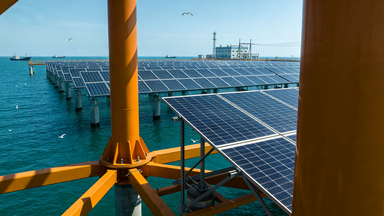
48v lifepo4 battery
2025-12-18
48V LiFePO4 Battery: The Ultimate Power Solution for Modern Energy Needs
If you’re tired of bulky, short-lived batteries that fail to keep up with your power demands—whether for off-grid living, recreational vehicles, or industrial equipment—it’s time to discover the game-changer: the 48V LiFePO4 battery. As lithium-iron-phosphate (LiFePO4) technology continues to dominate the energy storage market, the 48V variant stands out for its perfect balance of power, efficiency, and reliability. Let’s dive into why this battery is revolutionizing how we store and use energy.
What Is a 48V LiFePO4 Battery?
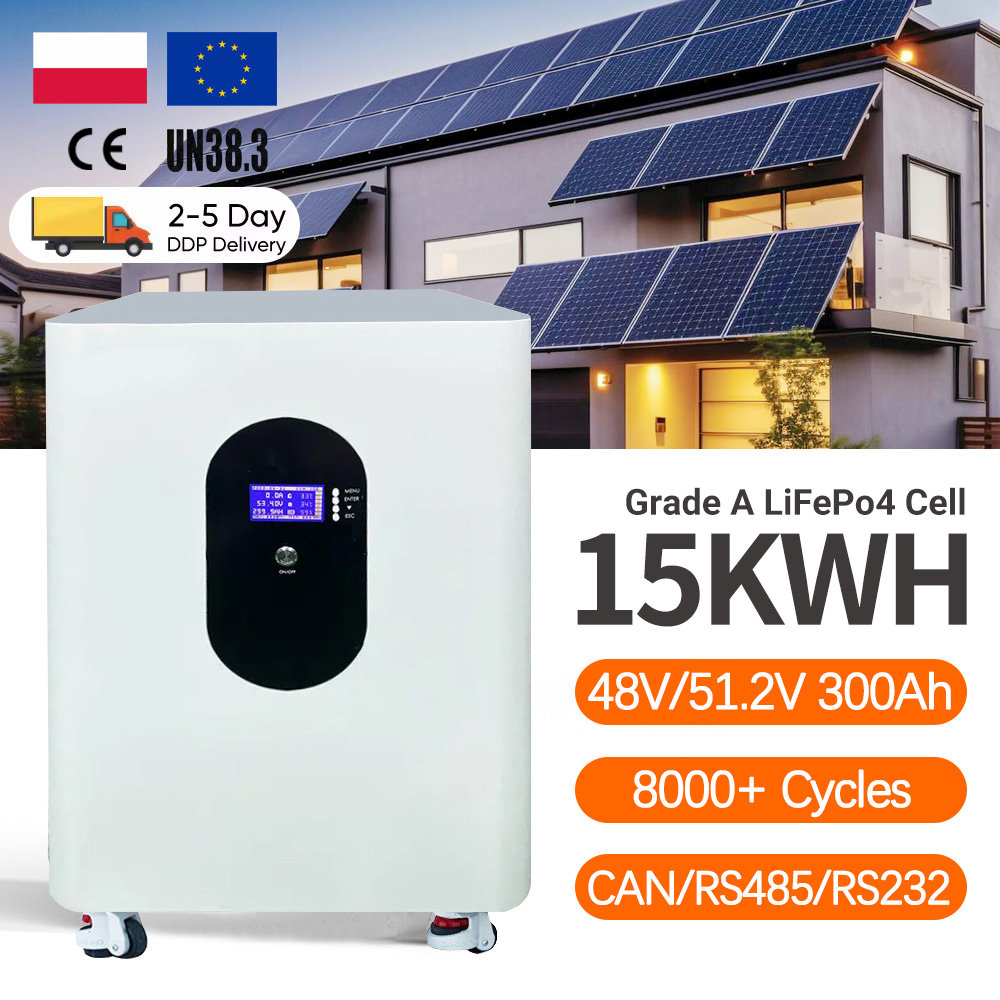
First, let’s break down the basics. A 48V LiFePO4 battery is a rechargeable lithium-ion battery that uses lithium iron phosphate as its cathode material. Unlike traditional lead-acid batteries or other lithium chemistries (like lithium-ion cobalt oxide), LiFePO4 offers unique advantages that make it ideal for high-voltage applications. The 48V rating isn’t arbitrary—this voltage level is widely recognized as the “sweet spot” for medium to large-scale energy needs: it delivers enough power to run heavy-duty devices without requiring dangerous high-voltage handling (common in 120V+ systems) or inefficient low-voltage setups (like 12V batteries that need multiple units wired in series).
Core Advantages of 48V LiFePO4 Batteries
What sets 48V LiFePO4 batteries apart from other energy storage options? Let’s explore their most compelling benefits:
1. Unmatched Longevity
One of the biggest pain points with lead-acid batteries is their short lifespan—typically 300-500 charge-discharge cycles before performance degrades. In contrast, 48V LiFePO4 batteries boast an impressive 2,000-5,000+ cycles (depending on the brand and usage). Even with daily use, this translates to 5-10 years of reliable service—3-5 times longer than lead-acid alternatives. For off-grid homeowners or businesses, this means fewer battery replacements and long-term cost savings.
2. Superior Safety
Safety is non-negotiable when it comes to energy storage, and LiFePO4 excels here. Unlike lithium-cobalt batteries (prone to thermal runaway and fires), LiFePO4 has exceptional thermal stability. It can withstand high temperatures (up to 60°C/140°F) and is resistant to overcharging, over-discharging, and short circuits—especially when paired with a quality Battery Management System (BMS). This makes 48V LiFePO4 batteries ideal for enclosed spaces (like RVs or server rooms) or outdoor installations (solar farms).
3. High Energy Density & Lightweight Design
48V LiFePO4 batteries pack more power into a smaller, lighter package. Compared to lead-acid batteries of the same capacity, they’re up to 70% lighter and 50% smaller. For example, a 100Ah 48V LiFePO4 battery weighs around 25-30kg, while a lead-acid equivalent tips the scales at 70-80kg. This portability is a game-changer for RVs, boats, or mobile workstations—where every kilogram counts.
4. Efficient Performance
LiFePO4 batteries offer excellent charge and discharge efficiency (95%+), meaning almost all the energy you put into charging is available for use. They also have a low self-discharge rate (less than 3% per month), so you won’t lose power if the battery sits unused for weeks. Additionally, 48V systems reduce current flow (thanks to Ohm’s Law: P=V×I), which minimizes energy loss through wiring and extends the lifespan of connected devices.
5. Wide Temperature Tolerance
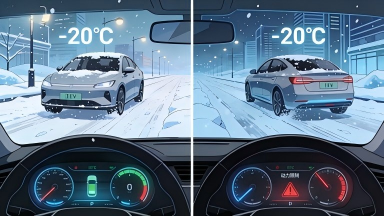
Whether you’re using it in a freezing mountain cabin or a scorching desert solar setup, a 48V LiFePO4 battery performs reliably. It operates efficiently in temperatures ranging from -20°C (-4°F) to 60°C (140°F), outperforming lead-acid batteries (which struggle below 0°C/32°F) and other lithium chemistries.
6. Eco-Friendly
Unlike lead-acid batteries (which contain toxic lead and sulfuric acid), LiFePO4 batteries are non-toxic and recyclable. They don’t emit harmful fumes during charging or discharge, making them a sustainable choice for environmentally conscious users.
Top Applications of 48V LiFePO4 Batteries
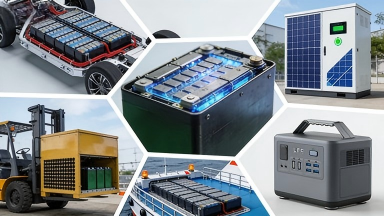
The versatility of 48V LiFePO4 batteries makes them suitable for a wide range of uses. Here are the most popular applications:
1. Off-Grid Solar Storage
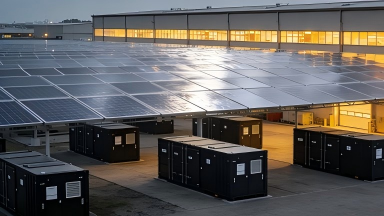
For homeowners or businesses relying on solar panels, a 48V LiFePO4 battery bank stores excess energy generated during the day for use at night. Its high capacity, long cycle life, and efficiency make it the perfect complement to solar systems—reducing reliance on the grid and lowering electricity bills.
2. RVs, Campers & Boats
Recreational vehicles and boats need reliable, lightweight power for appliances, lighting, and electronics. A 48V LiFePO4 battery replaces bulky lead-acid banks, saving space and weight while providing consistent power for extended trips.
3. UPS (Uninterruptible Power Supply)
Businesses and data centers use 48V LiFePO4 batteries as backup power sources. Their fast charging, long lifespan, and safety features ensure critical systems stay online during power outages—preventing data loss and downtime.
4. Electric Vehicles (EVs) & Golf Carts
Low-speed electric vehicles (like golf carts, neighborhood electric cars, or delivery vans) often use 48V systems. LiFePO4 batteries offer longer range, faster charging, and better durability than lead-acid options—making them a popular upgrade for EV owners.
5. Industrial Equipment
Forklifts, floor scrubbers, and other industrial machinery require high-voltage power with minimal downtime. 48V LiFePO4 batteries handle heavy-duty cycles, reduce maintenance costs, and improve operational efficiency.
How to Choose the Right 48V LiFePO4 Battery
With so many options on the market, here are key factors to consider when buying a 48V LiFePO4 battery:
1. Capacity (Ah Rating)
Choose a capacity that matches your power needs. For example:
- RV/camping: 100-200Ah (powers appliances for 2-3 days)
- Off-grid solar: 200-500Ah (supports a household’s daily energy use)
- Industrial equipment: 300Ah+ (handles continuous heavy loads)
2. Battery Management System (BMS)
A high-quality BMS is critical—it protects the battery from overcharging, over-discharging, short circuits, and temperature extremes. Look for batteries with a built-in BMS from reputable brands.
3. Brand Reputation & Certifications
Stick to trusted manufacturers (e.g., Battle Born, Victron Energy, Renogy) with positive reviews. Ensure the battery has safety certifications like UL, CE, or UN38.3.
4. Warranty
A good warranty reflects the manufacturer’s confidence. Look for 2-5 year warranties or cycle-based guarantees (e.g., “10,000 cycles at 80% depth of discharge”).
5. Compatibility
Check if the battery is compatible with your existing equipment (solar inverters, chargers, controllers). Most 48V LiFePO4 batteries have standard terminals (MC4, M8) for easy integration.
Maintenance Tips for 48V LiFePO4 Batteries
To maximize the lifespan of your 48V LiFePO4 battery, follow these simple tips:
- Avoid deep discharging: Keep the battery’s state of charge (SoC) between 20% and 80% (deep discharging below 10% can damage cells).
- Use a compatible charger: Use a LiFePO4-specific charger (not a lead-acid charger) to ensure proper charging voltage (48V LiFePO4 typically charges to 58.4V).
- Store in a cool, dry place: Avoid extreme temperatures (above 60°C or below -20°C) when storing the battery.
- Check the BMS regularly: Monitor the BMS for error codes or unusual temperature spikes.
- Avoid short circuits: Always handle the battery with dry hands and ensure terminals are properly insulated.
-
Final Thoughts: Why 48V LiFePO4 Is the Future of Energy Storage
The 48V LiFePO4 battery isn’t just a better alternative to traditional batteries—it’s a transformative technology. Its long lifespan, safety, efficiency, and versatility make it the top choice for anyone seeking reliable power, whether for personal use or business. While the upfront cost may be higher than lead-acid batteries, the long-term savings (fewer replacements, lower maintenance, higher efficiency) more than justify the investment.
If you’re ready to upgrade your energy storage system, a 48V LiFePO4 battery is a decision you won’t regret. It’s time to say goodbye to heavy, short-lived batteries and hello to a powerful, sustainable solution.
lifepo4 battery life
battery 12v lifepo4
Related Article
In an era where climate change urgency and energy security concerns dominate global conversations, the shift to renewable energy has moved from a "nice-to-have" to a necessity.
green mountain energy
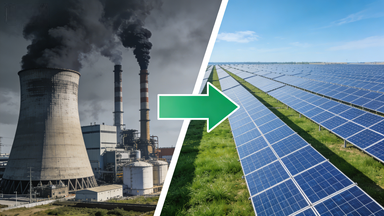
As the global community grapples with climate change, energy security, and rising fossil fuel costs, solar energy has emerged as a beacon of hope in the transition to a cleaner, more sustainable energy system.
pros of solar energy