48v lithium battery
2026-01-07

48V Lithium Battery: High-Power, Efficient Energy Solution for Demanding Applications
In the evolving world of rechargeable energy storage, 48V lithium batteries have emerged as a game-changer for high-demand scenarios where power, efficiency, and reliability are non-negotiable. Bridging the gap between mid-voltage (36V) and high-voltage (72V+) systems, these batteries deliver robust performance that fuels everything from heavy-duty industrial equipment to premium electric mobility solutions. Unlike lower-voltage alternatives that struggle with high-load tasks and higher-voltage systems that come with excessive complexity and cost, 48V lithium batteries strike an optimal balance for professional and advanced consumer needs. Whether you’re an industrial operator seeking to boost equipment productivity, an e-mobility enthusiast upgrading to a high-performance ride, or a business owner investing in efficient energy storage, this blog explores all critical facets of 48V lithium batteries, explaining why they’ve become the preferred choice for demanding applications.


What Sets 48V Lithium Batteries Apart?
The rise of 48V lithium batteries is driven by their unique ability to deliver high power output while maintaining operational efficiency and practicality—attributes that make them indispensable in scenarios where lower-voltage batteries fall short. Let’s break down the core advantages that distinguish 48V lithium batteries from other voltage ratings and traditional battery technologies like lead-acid.
First and foremost is their superior power delivery. With a higher voltage rating than 36V systems, 48V lithium batteries can supply more power (watts = volts × amps) without increasing current to unsafe levels. This is a critical advantage for high-load devices, as higher current would require thicker wiring, generate more heat, and increase energy loss. For example, a 48V cordless industrial grinder can tackle heavy metal fabrication tasks for hours without power lag, while a 36V model might overheat or lose performance under the same load. Compared to 72V+ systems, 48V batteries avoid the need for overly complex power management systems, specialized cooling solutions, and high-cost components, making them a more practical high-power option for most applications.
Exceptional energy efficiency is another key benefit. 48V systems operate at a higher voltage, which reduces current flow for the same power output. Lower current means less energy loss due to resistance in wiring and components (known as Joule heating), translating to more efficient power utilization. This efficiency is particularly valuable for electric vehicles and portable equipment, where it directly extends runtime and reduces charging frequency. For instance, a 48V electric scooter can achieve a range of 50-80 km per charge—significantly more than a 36V model of the same capacity—while maintaining higher speeds (25-35 km/h) effortlessly.
Like other lithium-ion batteries, 48V variants boast high energy density, meaning they store more energy in a compact, lightweight form factor. Compared to lead-acid batteries of the same power rating, 48V lithium batteries are up to 60% lighter and 40% smaller. This is a game-changer for portable equipment and electric vehicles, where weight and size directly impact maneuverability and usability. For example, a 48V lithium-powered golf cart is easier to navigate on hilly courses and requires less energy to move, while a lead-acid equivalent would be bulkier and less efficient. The lightweight design also simplifies installation and transportation for industrial equipment and backup power systems.
Long lifespan and low maintenance requirements further enhance their appeal. A high-quality 48V lithium battery can withstand 1,200+ charge-discharge cycles before its capacity drops to 80% of the original—far exceeding the 300-500 cycles of lead-acid batteries. This extended lifespan reduces the frequency of replacements, lowering long-term costs and environmental impact. Additionally, 48V lithium batteries have an extremely low self-discharge rate (1-2% per month), making them ideal for seasonal equipment (like snowplows or agricultural tools) or backup power systems that may sit idle for extended periods. They also don’t require the regular maintenance (such as water refilling) that lead-acid batteries demand, saving time and effort for users.
Common Applications of 48V Lithium Batteries
The versatility of 48V lithium batteries lies in their ability to meet the power demands of a wide range of high-performance and industrial applications. From consumer e-mobility to heavy-duty industrial equipment, here are the most impactful use cases:
-
High-Performance E-Mobility: Premium electric bikes (especially high-speed, mid-drive models), electric scooters, and light electric motorcycles rely heavily on 48V lithium batteries. These vehicles require more power to achieve higher speeds and longer ranges, which 48V systems deliver efficiently. For example, high-speed e-bikes with 48V batteries can reach speeds of 45 km/h and travel up to 100 km on a single charge, making them suitable for long commutes or off-road adventures. Electric scooters designed for urban mobility also benefit from 48V power, offering faster acceleration and better performance on inclines.
-
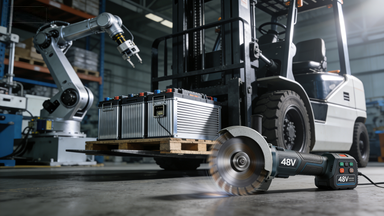
Industrial and Construction Equipment: Heavy-duty cordless tools and industrial machinery are major adopters of 48V lithium batteries. Devices like industrial-grade angle grinders, concrete cutters, jackhammers, and cordless chainsaws require sustained high power to handle tough materials, and 48V systems provide the necessary energy without the limitations of cords. For construction workers and industrial operators, the long runtime and quick charging (many 48V batteries charge to 80% in 45-90 minutes) minimize downtime, boosting productivity. Additionally, 48V batteries power small industrial vehicles like warehouse forklifts, pallet jacks, and utility carts, where their durability and efficiency withstand daily heavy use.
-
Recreational and Utility Vehicles: 48V lithium batteries are widely used in recreational and utility vehicles that demand both power and longevity. Golf carts (especially those used in large resorts or hilly courses), electric ATVs, and utility terrain vehicles (UTVs) benefit from the battery’s high power output, which enables them to carry heavier loads and navigate rough terrain. The lightweight design also improves the vehicle’s range and maneuverability, enhancing the user experience. For example, a 48V lithium-powered golf cart can travel up to 50 km on a charge and carry multiple passengers without performance degradation.
-
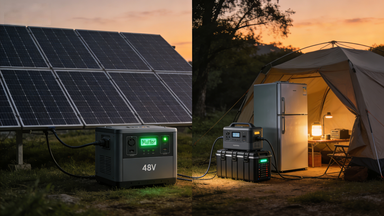
Backup Power and Solar Energy Storage: For medium to small-scale backup power systems and off-grid solar setups, 48V lithium battery packs are an excellent choice. They can store larger amounts of energy generated by solar panels, making them suitable for powering essential commercial or residential appliances (air conditioners, refrigerators, industrial pumps) during power outages. Their high efficiency ensures minimal energy loss when storing and discharging power, while their fast charging capability allows them to quickly replenish energy when solar input is available. 48V systems are also commonly used in mobile power stations for construction sites, outdoor events, and camping, providing reliable off-grid power.
-
Agricultural Equipment: Modern agricultural machinery is increasingly adopting 48V lithium batteries to improve efficiency and reduce environmental impact. Small electric tractors, sprayers, harvesters, and irrigation pumps use 48V power to handle agricultural tasks, such as tilling soil, spraying crops, and transporting produce. The battery’s durability makes it suitable for harsh farm environments, while its low maintenance requirements save farmers time. Additionally, the quiet operation of electric agricultural equipment powered by 48V batteries reduces noise pollution in rural areas.
-
Tips for Choosing and Maintaining a 48V Lithium Battery
To maximize the performance and lifespan of your 48V lithium battery, it’s crucial to select the right battery for your needs and follow proper maintenance practices. Below are key factors to consider when purchasing a 48V lithium battery, along with essential maintenance tips.
Key Factors to Consider When Buying
-
Capacity (Ah Rating): Capacity, measured in ampere-hours (Ah), determines how much energy the battery can store and how long it can power your device. A higher Ah rating means longer runtime. For high-power devices like industrial tools or electric motorcycles, opt for a higher capacity (15Ah or more) to ensure sufficient runtime. For less demanding applications like small utility carts, a lower capacity (10Ah or less) may be sufficient. Always match the capacity to your typical usage pattern—if you use your device for extended periods without access to a charger, a higher capacity is essential.
-
Cell Quality and Brand: The quality of the lithium-ion cells used in the battery directly impacts performance, safety, and lifespan. Choose batteries made with high-quality cells from reputable brands like Samsung, LG, Panasonic, or Sanyo. These cells undergo strict quality control tests, ensuring consistent performance, lower failure rates, and reduced risk of thermal runaway (a rare but dangerous issue in low-quality lithium batteries). Avoid batteries with unbranded or low-grade cells, as they may not meet safety standards and can degrade quickly.
-
Safety Features: Given their higher voltage, 48V lithium batteries require robust safety features to prevent accidents. Look for batteries with built-in overcharge protection (prevents damage from overcharging), over-discharge protection (stops the battery from draining too low), short-circuit protection (prevents fires or explosions from short circuits), temperature protection (shuts down the battery if it overheats or freezes), and over-current protection (limits current flow to safe levels). These features not only protect you and your device but also extend the battery’s lifespan.
-
Compatibility: Ensure the battery is fully compatible with your device. Check three critical aspects: voltage (must be 48V), connector type (the plug must match your device’s port), and physical dimensions (the battery must fit in your device’s battery compartment). Using an incompatible battery can damage your device, reduce performance, or pose safety risks. If you’re unsure about compatibility, consult the device manufacturer or choose a battery from the same brand as your device.
-
Warranty and After-Sales Service: A comprehensive warranty is a sign of the manufacturer’s confidence in their product. Look for 48V lithium batteries with a warranty of at least 2 years—preferably 3 years for high-quality models. The warranty should cover defects in materials, workmanship, and premature capacity loss. Additionally, choose a manufacturer that offers reliable after-sales service, so you can get support if you encounter any issues with the battery.
Maintenance Tips to Maximize Lifespan
-
Use a Certified Charger: Always charge your 48V lithium battery with the charger provided by the manufacturer or a certified replacement. Non-certified chargers may deliver incorrect voltage or current, which can damage the battery’s cells, reduce capacity, or cause safety hazards. Avoid cheap, generic chargers—they lack the necessary safety features and can shorten the battery’s lifespan significantly.
-
Avoid Overcharging and Deep Discharging: While most 48V lithium batteries have protection circuits, it’s still best to avoid overcharging and deep discharging. Unplug the charger as soon as the battery is fully charged (don’t leave it plugged in overnight regularly), as prolonged overcharging can stress the cells. Recharge the battery before it’s completely drained—aim to recharge when the capacity drops to 20-30%. Deep discharging (draining the battery to 0%) can damage the cells and reduce lifespan.
-
Store Properly: When not in use for extended periods (more than a month), store the battery in a cool, dry place with a temperature between 10°C and 25°C (50°F and 77°F). Avoid extreme temperatures—high heat (like a car in summer) can degrade the cells, while extreme cold (like a garage in winter) can temporarily reduce capacity. Store the battery at 40-60% capacity, as this is the optimal charge level for long-term storage. Never store a fully charged or fully discharged battery for extended periods.
-
Keep Terminals Clean: Regularly inspect the battery’s terminals (metal contacts) and clean them if they’re dirty or corroded. Corrosion can interfere with the battery’s connection to your device, causing poor performance or even failure. To clean the terminals, use a dry, soft cloth to wipe away dirt and debris. If there’s heavy corrosion, use a small amount of isopropyl alcohol on the cloth (avoid getting alcohol on the battery casing). Never use water or harsh chemicals, as they can damage the terminals or the battery.
-
Use Regularly and Avoid Abuse: Lithium batteries perform best when used regularly. If you have seasonal equipment (like a snowplow or agricultural sprayer), use the battery at least once every 2-3 months to keep the cells active. This helps maintain capacity and prevents the battery from entering a deep discharge state that’s hard to recover from. Additionally, avoid physical abuse—don’t drop the battery, expose it to water or moisture, or puncture the casing, as these can cause permanent damage.
-
Is a 48V Lithium Battery Worth the Investment?
One of the most common questions about 48V lithium batteries is whether their higher upfront cost is justified. It’s true that 48V lithium batteries are more expensive than 36V lithium or lead-acid batteries. However, when you consider their superior performance, longer lifespan, lower maintenance costs, and higher efficiency, they’re almost always a worthwhile investment—especially for users who rely on high-power devices daily.
For professionals (construction workers, industrial operators, farmers), the reduced downtime from longer runtime and quick charging, combined with fewer battery replacements, translates to higher productivity and lower long-term costs. For example, an industrial worker using a 48V cordless grinder can work all day without recharging, while a 36V model might require multiple charges, slowing down work. For e-mobility enthusiasts, the longer range and higher speed of 48V-powered vehicles make daily commutes or recreational rides more enjoyable and convenient.
Additionally, 48V lithium batteries are more environmentally friendly than lead-acid batteries. They contain no toxic lead, are more energy-efficient to produce, and have a longer lifespan—reducing the number of batteries that end up in landfills. For businesses and consumers focused on sustainability, this is an added benefit that further justifies the investment. While the upfront cost may be higher, the total cost of ownership (upfront cost + maintenance + replacements) of a 48V lithium battery is significantly lower than that of lead-acid or lower-voltage lithium batteries over time.
Conclusion
48V lithium batteries have established themselves as the go-to energy solution for demanding applications that require high power, efficiency, and reliability. Their unique combination of superior power delivery, high energy density, long lifespan, and versatility makes them indispensable in industries ranging from construction and agriculture to e-mobility and renewable energy storage. By understanding their key advantages, common applications, and how to choose and maintain them properly, you can ensure that your 48V lithium battery delivers consistent, high-performance power for years to come.
Whether you’re upgrading your industrial equipment, investing in a high-performance electric vehicle, or setting up a reliable backup power system, a 48V lithium battery is more than just a power source—it’s an investment in productivity, efficiency, and sustainability. With the right battery and proper care, you’ll have the power you need, when you need it, without the limitations of lower-voltage systems or the complexity of higher-voltage alternatives.
36 volt lithium battery
12v lithium ion battery
Related Article

In an era where climate change urgency and energy security concerns dominate global conversations, the shift to renewable energy has moved from a "nice-to-have" to a necessity.
green mountain energy

As the global community grapples with climate change, energy security, and rising fossil fuel costs, solar energy has emerged as a beacon of hope in the transition to a cleaner, more sustainable energy system.
pros of solar energy