aa lithium battery
2025-12-27
Lithium-Ion Battery: The Versatile Power Solution for Modern Life
In an era defined by portable electronics, electric mobility, and renewable energy storage, the lithium-ion battery has emerged as a cornerstone of modern power technology. From the smartphone in your pocket to electric vehicles (EVs) on the road and solar energy systems in homes, this battery technology has revolutionized how we generate, store, and use energy. Combining high energy density, long lifespan, and eco-friendly characteristics, lithium-ion batteries have surpassed traditional energy storage solutions like lead-acid and nickel-cadmium (NiCd) batteries in most applications. This blog explores the key features, diverse applications, essential buying tips, and maintenance practices of lithium-ion batteries, helping you understand why they’ve become the go-to power source for both personal and industrial use.


Key Advantages of Lithium-Ion Batteries
Lithium-ion batteries’ dominance in the energy storage market stems from a unique set of advantages that address the limitations of older battery technologies. Let’s break down the core benefits that make them indispensable in today’s tech-driven world:
First and foremost is their high energy density. Energy density refers to the amount of energy a battery can store per unit of weight or volume—a critical factor for portable devices and electric vehicles where size and weight are paramount. Lithium-ion batteries boast significantly higher energy density than lead-acid or NiCd batteries. For example, a lithium-ion battery used in a laptop can store up to 200-300 Wh/kg, while a lead-acid battery of the same weight only delivers 30-40 Wh/kg. This means lithium-ion batteries can power devices for longer periods without adding extra bulk, making them ideal for smartphones, laptops, and EVs that require compact, lightweight power sources.
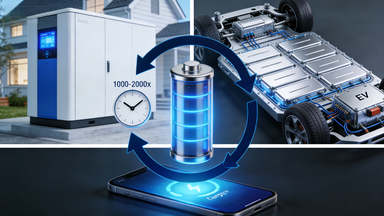
Another major advantage is their long cycle life. A “cycle” refers to one full charge and discharge of the battery. High-quality lithium-ion batteries can endure 1,000 to 2,000 charge-discharge cycles before their capacity drops to 80% of their original value. In contrast, lead-acid batteries typically last only 300-500 cycles, and NiCd batteries around 500-1,000 cycles. This extended lifespan translates to fewer replacements over time, reducing long-term costs and environmental waste—especially for high-capacity applications like EV batteries and solar energy storage systems.
Lithium-ion batteries also have a low self-discharge rate. Self-discharge is the loss of charge when a battery is not in use. Unlike NiCd batteries, which lose 15-20% of their charge per month, lithium-ion batteries only lose 1-2% per month. This makes them perfect for devices that are used intermittently, such as emergency flashlights, portable cameras, or backup power systems. You can leave a lithium-ion battery idle for months and still find it retains enough charge to work when needed.
Additionally, they are environmentally friendlier than traditional alternatives. Unlike lead-acid batteries (which contain toxic lead) and NiCd batteries (which contain cadmium, a hazardous heavy metal), lithium-ion batteries do not use toxic heavy metals. While they still require proper recycling to avoid environmental harm, their longer lifespan and lack of toxic components make them a more sustainable choice. They are also more energy-efficient to produce, further reducing their carbon footprint.
Diverse Applications of Lithium-Ion Batteries
The versatility of lithium-ion batteries has made them ubiquitous across countless industries and daily life scenarios. Here are some of the most prominent applications:
-
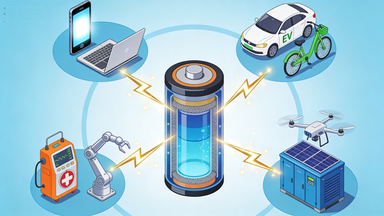
Consumer Electronics: This is the most familiar application. Smartphones, laptops, tablets, digital cameras, wireless headphones, and portable gaming consoles all rely on lithium-ion batteries. Their high energy density and compact size enable these devices to be lightweight and portable while delivering all-day battery life— a key demand for modern consumers.
-
Electric Mobility: Electric vehicles (EVs), hybrid electric vehicles (HEVs), electric scooters, e-bikes, and electric wheelchairs are increasingly adopting lithium-ion batteries. For EVs, the high energy density of lithium-ion batteries allows for longer driving ranges (up to 600 km or more on a single charge for top models), while their fast-charging capabilities (many can charge to 80% in 30-60 minutes) address range anxiety. E-bikes and scooters benefit from the lightweight design, making them easier to maneuver and carry.
-
Renewable Energy Storage: As the world shifts to clean energy, lithium-ion batteries play a crucial role in storing energy from solar panels and wind turbines. Solar energy systems use these batteries to store excess energy generated during the day for use at night or during power outages. This helps homeowners and businesses reduce reliance on the grid and ensure a steady power supply. Utility-scale energy storage projects also use large lithium-ion battery packs to stabilize the grid and balance energy supply and demand.
-
Industrial and Medical Equipment: In industrial settings, lithium-ion batteries power cordless power tools (drills, grinders, saws), warehouse robots, and portable testing equipment. Their high power output and long runtime make them ideal for professionals who use these tools all day. In the medical field, they are used in portable medical devices like defibrillators, insulin pumps, and portable oxygen concentrators—where reliability and long battery life are critical for patient safety.
-
Aerospace and Defense: The aerospace industry uses lithium-ion batteries in satellites, drones, and even some aircraft. Their lightweight design and high energy density are essential for reducing the weight of aerospace vehicles, which directly impacts fuel efficiency (for manned aircraft) and flight time (for drones). Defense applications include powering portable communication devices, night-vision goggles, and unmanned aerial vehicles (UAVs).
-
Tips for Choosing and Maintaining Lithium-Ion Batteries
To get the most out of your lithium-ion battery, it’s important to choose the right one for your needs and follow proper maintenance practices. Below are key considerations for buying and caring for lithium-ion batteries:
Key Factors to Consider When Buying
-
Capacity (Ah/Wh Rating): Capacity is measured in ampere-hours (Ah) or watt-hours (Wh). Wh is more useful as it combines voltage and Ah (Wh = Voltage × Ah) to indicate total energy storage. A higher Wh rating means longer runtime. For example, a 500 Wh battery in an e-bike will provide more range than a 300 Wh battery. Choose a capacity that matches your usage: if you use your device for long periods without access to a charger, opt for a higher capacity.
-
Cell Quality: The quality of the lithium-ion cells directly affects performance, safety, and lifespan. Look for batteries made with reputable cells from brands like Samsung, LG, Panasonic, or CATL. These cells undergo strict quality control and are less prone to overheating, swelling, or thermal runaway (a rare but dangerous issue in low-quality cells).
-
Safety Features: Always prioritize batteries with built-in protection circuits. Essential safety features include overcharge protection (prevents damage from overcharging), over-discharge protection (stops the battery from draining too low), short-circuit protection (prevents fires or explosions), and temperature protection (shuts down the battery in extreme heat or cold). These features protect both you and your device.
-
Compatibility: Ensure the battery is compatible with your device. Check the voltage (must match your device’s requirements), connector type (the plug must fit), and physical dimensions (must fit in the device’s battery compartment). Using an incompatible battery can damage your device or pose safety risks.
-
Warranty: A good warranty reflects the manufacturer’s confidence in their product. Look for lithium-ion batteries with a warranty of at least 1-3 years. This covers defects in materials or workmanship and may include premature capacity loss. Read the warranty terms carefully to understand coverage and exclusions.
Maintenance Tips to Extend Lifespan
-
Use a Certified Charger: Always charge your lithium-ion battery with the manufacturer’s original charger or a certified replacement. Non-certified chargers may deliver incorrect voltage or current, damaging the battery cells, reducing capacity, or causing safety issues. Avoid cheap, generic chargers.
-
Avoid Overcharging and Over-Discharging: While most lithium-ion batteries have protection circuits, it’s best to avoid extreme charge levels. Unplug the charger once the battery is fully charged (don’t leave it plugged in overnight regularly). Recharge the battery before it’s completely drained—aim to recharge when the capacity drops to 20-30%. This reduces stress on the cells and extends lifespan.
-
Store Properly: For long-term storage (more than a month), store the battery in a cool, dry place with a temperature between 10°C and 25°C (50°F and 77°F). Avoid extreme heat (e.g., a car in summer) or cold (e.g., a garage in winter), as these temperatures damage cells and reduce capacity. Store the battery at 40-60% capacity—this is the optimal level to prevent cell degradation.
-
Keep Terminals Clean: Regularly inspect the battery’s metal terminals for dirt or corrosion. Corrosion can interfere with the connection, causing poor performance or failure. Clean terminals with a dry, soft cloth—never use water or harsh chemicals, as they can damage the battery.
-
Avoid Extreme Temperatures During Use: Lithium-ion batteries perform best at moderate temperatures. Using them in extreme heat (above 40°C/104°F) or cold (below 0°C/32°F) can temporarily reduce capacity and long-term lifespan. For example, EVs may experience reduced range in very cold weather, and smartphones may shut down in extreme heat.
Are Lithium-Ion Batteries Worth the Investment?
Lithium-ion batteries often have a higher upfront cost than traditional batteries like lead-acid. However, their long lifespan, superior performance, and lower long-term costs make them a worthwhile investment for most users.
For consumers, the longer battery life of smartphones and laptops means fewer replacements, saving money over time. For EV owners, the higher upfront cost of a lithium-ion battery is offset by lower maintenance costs (no oil changes, fewer moving parts) and longer range compared to EVs with other battery types. For homeowners with solar systems, lithium-ion batteries enable energy independence, reducing electricity bills and providing backup power during outages.
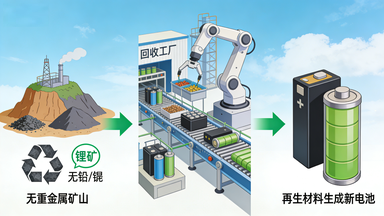
Environmentally, the longer lifespan and lack of toxic heavy metals make lithium-ion batteries a more sustainable choice. While recycling infrastructure for lithium-ion batteries is still developing, advancements in recycling technology are making it easier to recover valuable materials (lithium, cobalt, nickel) for reuse, further reducing their environmental impact.
Future Trends in Lithium-Ion Battery Technology
The future of lithium-ion batteries is bright, with ongoing research focused on improving energy density, reducing costs, and enhancing sustainability. Some key trends include:
-
Solid-State Batteries: Solid-state lithium-ion batteries replace the liquid electrolyte with a solid electrolyte, offering higher energy density, faster charging, and improved safety (no risk of liquid leakage or thermal runaway). Companies like Toyota and QuantumScape are leading the development of solid-state batteries, which could revolutionize EVs by enabling longer ranges and shorter charging times.
-
Reduced Cobalt Use: Cobalt, a key material in many lithium-ion batteries, is expensive and often mined under unethical conditions. Researchers are developing cobalt-free or low-cobalt cathodes (e.g., lithium iron phosphate, LFP) that maintain performance while reducing costs and ethical concerns. LFP batteries are already used in some EVs and energy storage systems.
-
Improved Recycling: Advancements in recycling technologies (e.g., hydrometallurgy, pyrometallurgy, and direct recycling) are making it more efficient to recover materials from lithium-ion batteries. This will reduce reliance on virgin materials and make the battery lifecycle more circular.
-
Conclusion
Lithium-ion batteries have transformed the way we power our lives, enabling the growth of portable electronics, electric mobility, and renewable energy. Their high energy density, long lifespan, and versatility make them the preferred power source for a wide range of applications, from small devices to large-scale energy storage systems.
By choosing the right lithium-ion battery (based on capacity, cell quality, and compatibility) and following proper maintenance practices, you can maximize its lifespan and performance. While the upfront cost may be higher, the long-term benefits—lower replacement costs, better performance, and environmental sustainability—make it a smart investment.
As research continues to advance, lithium-ion batteries will become even more efficient, affordable, and sustainable, playing an increasingly critical role in the global transition to clean energy and a more connected, mobile world. Whether you’re using a smartphone, an e-bike, or a solar energy system, chances are you’re relying on a lithium-ion battery—and it’s likely to remain an essential part of our lives for years to come.
100ah lithium battery
18650 lithium battery
Related Article
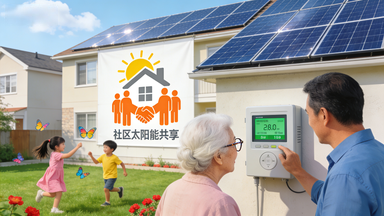
In an era where climate change urgency and energy security concerns dominate global conversations, the shift to renewable energy has moved from a "nice-to-have" to a necessity.
green mountain energy
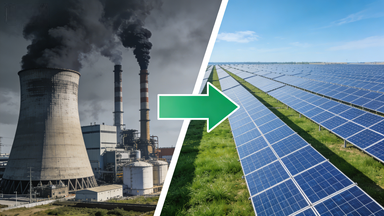
As the global community grapples with climate change, energy security, and rising fossil fuel costs, solar energy has emerged as a beacon of hope in the transition to a cleaner, more sustainable energy system.
pros of solar energy