all energy solar
2025-12-10
All Energy Solar: The Comprehensive Solution Powering Our Sustainable Future
Walk through any neighborhood, drive past an industrial park, or scroll through tech news—solar energy is everywhere. But "All Energy Solar" isn’t just about putting panels on roofs. It’s a transformative vision: a world where solar power isn’t an afterthought, but the primary, all-encompassing source of energy for homes, businesses, transportation, and even entire communities. So what exactly is All Energy Solar, and how is it reshaping how we generate, use, and store power? Let’s dive in.

First: What Does "All Energy Solar" Really Mean?
At its core, All Energy Solar refers to the integration of solar energy into every facet of our energy ecosystem—replacing or supplementing fossil fuels in electricity, heating, transportation, and industrial processes. It’s not just about individual solar panels; it’s a systematic approach that combines:
- Solar photovoltaic (PV) technology (converting sunlight to electricity),
- Solar thermal systems (heating water or air),
- Energy storage (batteries to save excess solar power for nights/rainy days),
- Smart grid integration (connecting solar systems to balance supply and demand),
- And cross-sector adoption (powering homes, cars, factories, and cities).
In short: All Energy Solar means solar isn’t a "side" energy source—it’s the backbone of a sustainable, self-sufficient energy future.
How All Energy Solar Powers Every Part of Life
The beauty of All Energy Solar is its versatility. It doesn’t just light up your living room—it fuels nearly every aspect of modern life. Here’s how it’s making an impact across key sectors:
1. Residential: Your Home as a Solar Power Hub
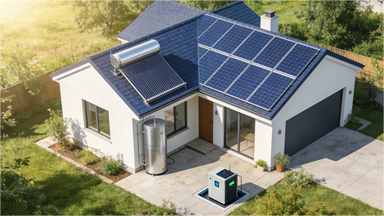
For homeowners, All Energy Solar turns houses into mini power plants. A typical setup includes:
- Rooftop solar panels (or ground-mounted systems for larger yards) that generate electricity during the day.
- Battery storage (like Tesla Powerwall or LG Chem RESU) that stores excess energy to use at night, during blackouts, or when electricity rates are high.
- Solar thermal systems that heat water for showers, laundry, or even home heating (reducing reliance on gas or electric water heaters).
The result? Energy independence. Imagine never paying a utility bill again, or selling excess solar power back to the grid (via net metering) for a profit. In places like California or Australia, thousands of households already live in "solar-positive" homes—generating more energy than they use, thanks to All Energy Solar integration.
2. Commercial & Industrial: Solar for Big-Scale Savings
Businesses and factories are jumping on All Energy Solar for two key reasons: cost savings and sustainability goals.
- Commercial Rooftops: Warehouses, office buildings, and retail stores have vast, unused roof space—perfect for solar arrays. Companies like Amazon and Walmart have installed solar on millions of square feet of rooftop, cutting their electricity costs by 20–50%.
- Solar Farms: Utility-scale solar projects (often called "solar farms") cover hundreds of acres, generating enough electricity to power entire towns. For example, the Solar Star project in California produces 579 megawatts—enough for 250,000 homes.
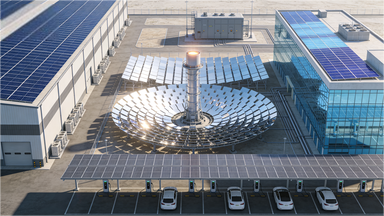
- Industrial Processes: Factories use massive amounts of energy for manufacturing, heating, and cooling. All Energy Solar solutions like concentrated solar power (CSP)—which uses mirrors to focus sunlight into intense heat—can power even the most energy-hungry industrial operations, from cement production to chemical manufacturing.
3. Transportation: Solar-Powered Rides (Beyond Electric Cars)
All Energy Solar isn’t just about electricity—it’s revolutionizing how we get around:
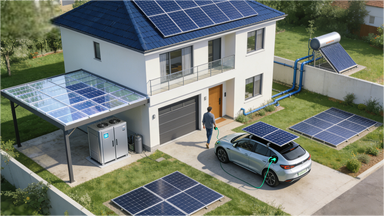
- Solar-Powered EV Charging: Public and home EV chargers are increasingly paired with solar panels, meaning your electric car can run on 100% renewable energy (no more relying on grid electricity that might come from coal).
- Solar-Powered Vehicles: Innovations like solar roofs on cars (Tesla’s Cybertruck optional solar roof adds 15 miles of range per day) or fully solar-powered buses (used in cities like Shenzhen, China) are making transportation emissions-free.
- Solar Roads & Infrastructure: Experimental projects like the Netherlands’ SolaRoad (a bike path paved with solar panels) generate electricity while serving as functional infrastructure—proving solar can be integrated into the world around us.
4. Community & Grid-Scale: Solar for Everyone
All Energy Solar is inclusive—even if you can’t install rooftop panels (e.g., renters, apartment dwellers), you can still benefit:
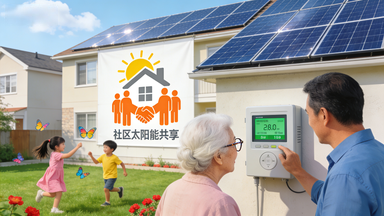
- Community Solar Gardens: These are shared solar projects where multiple households or businesses invest in a single large solar array. Participants receive credits on their utility bills for the energy the array generates, no rooftop required.
- Smart Grids: All Energy Solar relies on smart grid technology to balance supply and demand. When the sun is shining, excess solar power is sent to the grid; when it’s not, stored energy (from community batteries) kicks in. This makes the entire energy system more reliable and resilient.
-
Why All Energy Solar Is the Future (Not Just a Trend)
All Energy Solar isn’t just eco-friendly—it’s practical, cost-effective, and future-proof. Here’s why it’s gaining momentum:
1. It’s Renewable & Carbon-Free
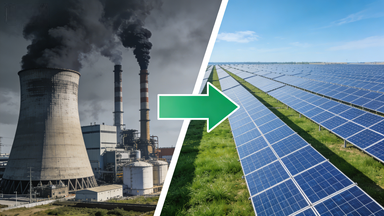
Solar energy generates no greenhouse gas emissions during operation. Replacing fossil fuels with All Energy Solar could cut global carbon emissions by billions of tons annually—critical for fighting climate change.
2. Costs Have Plummeted (Dramatically)
In 2010, solar PV panels cost around \(35 per watt. Today, they’re less than \)0.30 per watt—a 99% drop! Batteries (key for storing solar power) have also gotten 87% cheaper since 2010. For homeowners and businesses, this means solar is now cheaper than grid electricity in most parts of the world.
3. Energy Independence & Resilience
With All Energy Solar, you’re not at the mercy of utility companies or volatile fossil fuel prices. During natural disasters or grid outages, solar + battery systems keep the lights on—something we saw firsthand during Hurricane Ian (2022), where solar-powered homes in Florida stayed operational when the grid went down.
4. Job Creation & Economic Growth
The solar industry is a job engine. In the U.S. alone, over 300,000 people work in solar installation, manufacturing, and maintenance—more than the coal and oil industries combined. All Energy Solar projects also boost local economies, creating jobs and tax revenue for communities.
The Challenges (and How We’re Overcoming Them)
No technology is perfect, and All Energy Solar faces a few hurdles—but innovations are solving them fast:
1. Intermittency (Sunshine Isn’t 24/7)
The biggest criticism of solar is that it only generates power when the sun is shining. But battery storage technology is advancing rapidly: modern batteries can store enough solar power to run a home for 2–3 days. Plus, grid-scale storage (like Tesla’s Megapack) can store energy for entire cities, making solar reliable 24/7.
2. Space Requirements
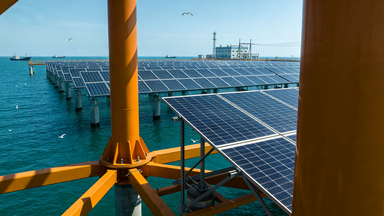
Utility-scale solar farms need land, which can conflict with agriculture or natural habitats. But solutions like "agrivoltaics" (combining solar farms with farming—crops grow under solar panels) and floating solar arrays (panels on lakes or reservoirs) are making solar more space-efficient.
3. Initial Investment
While solar saves money long-term, the upfront cost (e.g., \(15,000–\)25,000 for a home system) can be a barrier. But government incentives (tax credits, rebates) and financing options (solar leases, loans with low interest rates) make it accessible for most people. In many cases, solar systems pay for themselves in 5–10 years.
How to Join the All Energy Solar Movement (Today)
You don’t have to wait for a solar revolution—you can start small:
- For Homeowners: Get a free solar quote (many companies offer this online). Look into local incentives (e.g., the U.S. federal solar tax credit covers 30% of costs) and consider adding a battery for energy independence.
- For Renters/Apartment Dwellers: Sign up for a community solar program. Many utilities and private companies offer these, and you can cancel anytime if you move.
- For Businesses: Invest in rooftop solar or a solar farm subscription. Not only will you save money, but you’ll also attract eco-conscious customers and meet sustainability goals.
- Advocate: Support policies that promote solar energy—like net metering (allowing homeowners to sell excess power back to the grid) or renewable portfolio standards (requiring utilities to use a certain amount of renewable energy).
-
Final Thoughts: All Energy Solar Is for Everyone
All Energy Solar isn’t just for "eco-warriors" or tech enthusiasts—it’s for anyone who wants to save money, gain energy independence, and help build a cleaner future. It’s a vision where solar power isn’t an alternative—it’s the default: powering our homes, our cars, our factories, and our communities, all from the sun’s endless energy.
What’s your take on All Energy Solar? Have you installed solar panels, joined a community solar program, or are you curious to learn more? Drop a comment below—I’d love to hear your thoughts!
12v lithium battery
home solar energy
Related Article
In an era where climate change urgency and energy security concerns dominate global conversations, the shift to renewable energy has moved from a "nice-to-have" to a necessity.
green mountain energy
As the global community grapples with climate change, energy security, and rising fossil fuel costs, solar energy has emerged as a beacon of hope in the transition to a cleaner, more sustainable energy system.
pros of solar energy