and solar energy
2025-11-12
Harnessing the Power of the Sun: A Comprehensive Guide to Solar Energy for Homes and Businesses
In an era where sustainability and cost-saving are top priorities, solar energy has emerged as a game-changer for both homeowners and business owners. Unlike fossil fuels that deplete finite resources and contribute to greenhouse gas emissions, solar energy taps into the sun’s abundant, renewable power—providing clean electricity while slashing monthly energy bills. Whether you’re curious about reducing your carbon footprint, gaining energy independence, or simply exploring long-term financial benefits, understanding how solar energy works and how to adopt it is key. Let’s dive into everything you need to know about solar energy, from its core advantages to practical steps for installation.

Why Solar Energy? Key Benefits for Every User
Before investing in solar, it’s important to recognize why it’s become one of the fastest-growing energy sources globally. Here are the top reasons to consider solar energy for your home or business:
1. Significant Cost Savings Over Time
The biggest draw for many is the potential to lower or even eliminate electricity bills. Once solar panels are installed, the sun’s energy is free—meaning you’ll rely less (or not at all) on grid power. On average, homeowners in the U.S. save \(1,000–\)1,500 annually on electricity costs, with some regions seeing even higher savings. Over the 25–30 year lifespan of solar panels, this adds up to \(25,000–\)45,000 in total savings—far exceeding the initial installation cost.
2. Environmental Sustainability
Solar energy is a zero-emission power source. Unlike coal, natural gas, or oil, it doesn’t release carbon dioxide, methane, or other pollutants into the air. By switching to solar, a typical home can reduce its carbon footprint by 3–4 tons per year—equivalent to planting 75–100 trees annually. For businesses, solar adoption also aligns with corporate social responsibility (CSR) goals, helping build a positive brand image among eco-conscious customers.
3. Energy Independence and Reliability
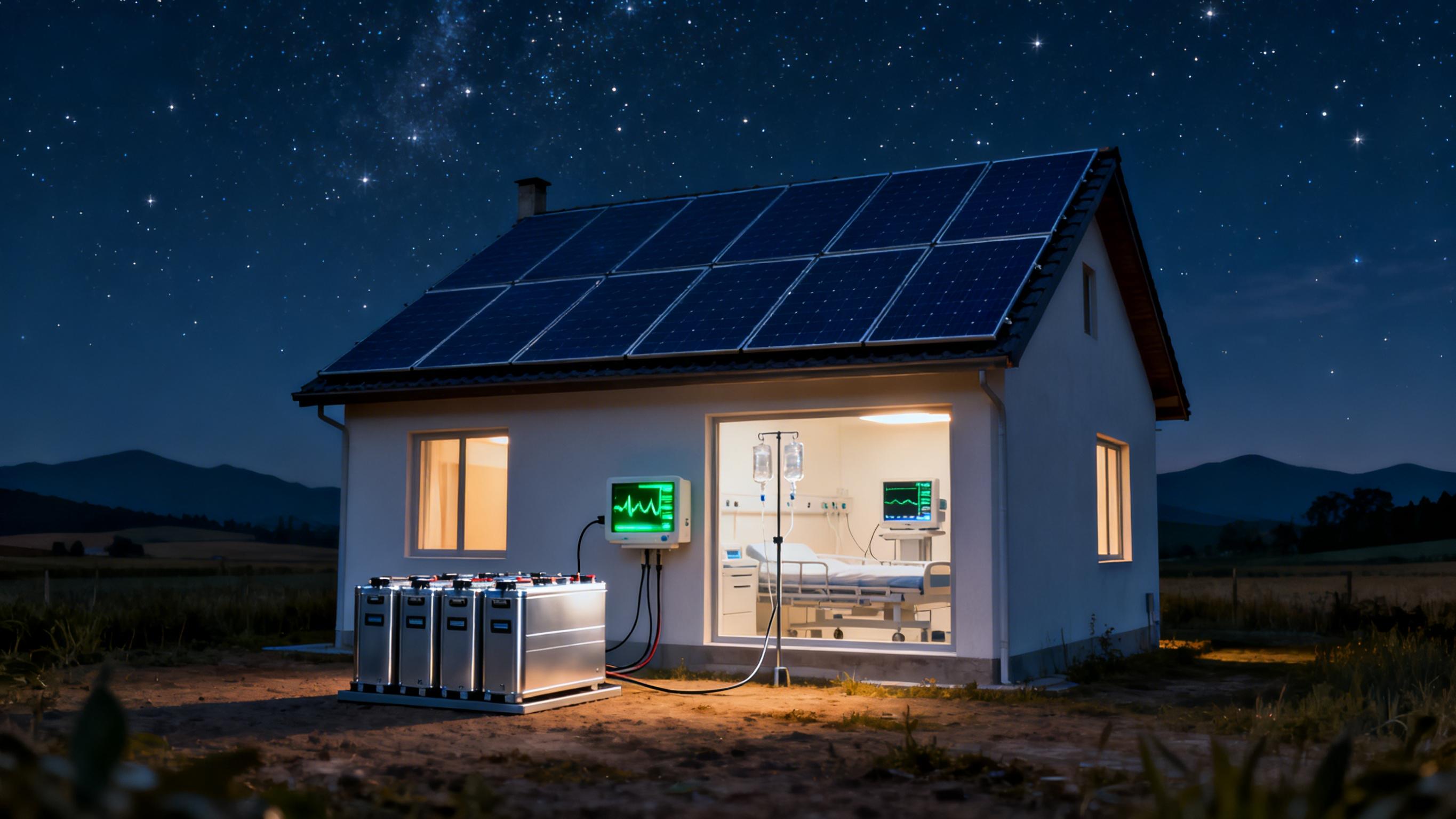
With solar panels (and optional battery storage), you’re less vulnerable to grid outages and fluctuating energy prices. During blackouts, a solar-plus-battery system can keep essential appliances (like refrigerators, lights, and medical equipment) running. Additionally, as utility rates continue to rise (an average of 3–5% per year in many countries), solar locks in your energy costs, providing long-term stability.
4. Government Incentives and Tax Credits
To encourage solar adoption, most governments offer attractive incentives. In the U.S., for example, the Federal Solar Investment Tax Credit (ITC) covers 30% of the cost of solar panels, installation, and related equipment—directly reducing your tax bill. Many states and localities also offer additional rebates, property tax exemptions, or net metering programs (where you sell excess solar energy back to the grid for credits). Similar incentives exist in the EU, Australia, and Canada, making solar more affordable than ever.

How Solar Energy Works: A Simple Breakdown
You don’t need to be an engineer to understand the basics of solar energy. Here’s a step-by-step explanation of how sunlight becomes usable electricity:
- Solar Panels Capture Sunlight: Solar panels (made of photovoltaic, or PV, cells) are installed on rooftops or ground-mounted systems. These cells absorb sunlight (photons) and convert it into direct current (DC) electricity.
- Inverter Converts DC to AC: Most homes and businesses use alternating current (AC) electricity. An inverter (a key component of any solar system) converts the DC power from panels into AC power that your appliances and devices can use.
- Electricity Powers Your Space: The AC power is sent directly to your electrical panel (breaker box), where it’s distributed to power your home or business in real time.
- Excess Energy Is Stored or Sold: If your solar system produces more electricity than you use (e.g., during sunny afternoons), the excess can be:
-
- Stored in a solar battery for use at night or during outages.
-
- Sent back to the grid via net metering, earning you credits on your utility bill.
Step-by-Step: How to Install Solar Energy at Home or Business
Adopting solar energy is a straightforward process—here’s what to expect:
Step 1: Assess Your Property’s Solar Potential
Not all properties are ideal for solar, but most are! Start by checking:
- Sunlight Exposure: Your roof (or ground area) should get 4–6 hours of direct sunlight daily, with minimal shade from trees, buildings, or other obstacles. Use tools like Google’s Project Sunroof (U.S.) or Solar-Estimate.org to get a free online assessment.
- Roof Condition and Space: If installing on a roof, ensure it’s in good condition (no leaks, missing shingles) and has enough space for panels (a typical home needs 20–30 panels, or 400–600 square feet). If your roof isn’t suitable, ground-mounted systems are a great alternative.
- Energy Usage: Review your past 12 months of electricity bills to determine how much energy you use. This helps you size your solar system correctly—you don’t want to install a system that’s too small (leaving you still relying on the grid) or too large (wasting money on unused capacity).
-
Step 2: Choose a Solar Installer
Working with a reputable installer is crucial for a smooth, high-quality installation. Look for:
- Certifications: In the U.S., installers should be NABCEP (North American Board of Certified Energy Practitioners) certified. In the EU, check for MCS (Microgeneration Certification Scheme) accreditation.
- Reviews and References: Read online reviews (on Google, Yelp, or Angie’s List) and ask for references from past clients.
- Warranties: Ensure the installer offers a workmanship warranty (5–10 years) and that the panels come with a manufacturer’s warranty (25–30 years for performance).
Step 3: Get a Custom Quote and Design
The installer will visit your property to conduct a detailed assessment, then provide a custom quote that includes:
- The size of the system (in kilowatts, kW).
- The number and type of panels (monocrystalline, polycrystalline, or thin-film—monocrystalline is most efficient but slightly more expensive).
- The cost of installation (including permits and labor).
- Estimated savings and payback period (typically 5–10 years).
They’ll also design the system to maximize sunlight exposure—for example, tilting panels at the optimal angle for your latitude.
Step 4: Secure Permits and Incentives
The installer will handle most of the paperwork, including obtaining local building permits and interconnection permits (to connect your system to the grid). They can also help you apply for tax credits, rebates, or net metering programs to reduce costs.
Step 5: Install the System
Installation typically takes 1–3 days for a residential system. The process includes:
- Mounting the racking system (to hold the panels) on your roof or ground.
- Installing the solar panels on the racking.
- Wiring the panels to the inverter (usually placed in a garage or utility room).
- Connecting the inverter to your electrical panel and the grid.
Step 6: Inspections and Activation
After installation, a local inspector will check the system to ensure it meets safety and building codes. Once approved, the utility company will connect your system to the grid (a process called “permission to operate,” or PTO). You can then start using solar energy!

Common Myths About Solar Energy (Debunked)
Despite its growing popularity, there are still misconceptions about solar energy. Let’s set the record straight:
- Myth 1: Solar only works in sunny climates.
Fact: Solar panels work in cloudy weather too—they just produce less electricity. Even regions with moderate sunlight (like the Pacific Northwest in the U.S. or the UK) can benefit from solar, especially with high-efficiency panels.
- Myth 2: Solar is too expensive.
Fact: The cost of solar has dropped by over 70% in the past decade. With tax credits and rebates, the upfront cost is more affordable than ever, and the long-term savings far outweigh the investment.
- Myth 3: Solar panels require a lot of maintenance.
Fact: Solar panels are low-maintenance—just clean them a few times a year (with a hose or soft brush) to remove dirt or debris. Most systems have no moving parts, so there’s little risk of mechanical failure.
- Myth 4: Solar panels damage roofs.
Fact: When installed by a professional, solar panels can actually protect your roof by shielding it from UV rays, rain, and debris. The racking system is mounted securely to the roof joists, so there’s no risk of leaks if installed correctly.
Is Solar Energy Right for You?
Solar energy isn’t a one-size-fits-all solution, but it’s a great option if:
- You own a home or business (or plan to stay in your current home for 5+ years to recoup the investment).
- Your property has adequate sunlight and space for panels.
- You want to reduce your energy bills and carbon footprint.
- You qualify for local incentives (which most people do).
If you’re still unsure, start with a free online assessment or consult a local solar installer—they can help you determine if solar is a good fit for your needs and budget.

Final Thoughts
Solar energy is more than just a trend—it’s a smart, sustainable choice that benefits both your wallet and the planet. With falling costs, generous incentives, and advances in technology (like better batteries and more efficient panels), there’s never been a better time to switch to solar. Whether you’re a homeowner looking to cut bills or a business owner aiming to go green, solar energy offers a path to a more affordable, reliable, and eco-friendly future.
Have questions about solar energy in your area? Drop a comment below—I’d be happy to help you navigate the process!
solar energy definition
benefits of solar energy
Related Article
In an era where climate change urgency and energy security concerns dominate global conversations, the shift to renewable energy has moved from a "nice-to-have" to a necessity.
green mountain energy
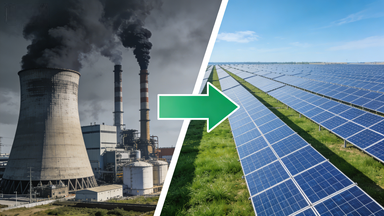
As the global community grapples with climate change, energy security, and rising fossil fuel costs, solar energy has emerged as a beacon of hope in the transition to a cleaner, more sustainable energy system.
pros of solar energy