baterai lifepo4
2026-01-04
Baterai LiFePO4: The Safe, Durable Powerhouse for Modern Needs
In the ever-evolving world of rechargeable batteries, Baterai LiFePO4 (Lithium Iron Phosphate Battery) has emerged as a game-changer, redefining standards for safety, longevity, and reliability. Unlike traditional lead-acid batteries or even other lithium-ion variants, LiFePO4 batteries offer a unique combination of performance and peace of mind that makes them ideal for both residential and commercial applications. Whether you’re looking to power your solar energy storage system, electric vehicle, RV, or professional tools, understanding the benefits and uses of Baterai LiFePO4 is key to making an informed power choice. This blog explores everything you need to know about this innovative battery technology.

What Sets Baterai LiFePO4 Apart from Other Batteries?
Baterai LiFePO4 stands out due to its distinct chemical composition—using lithium iron phosphate as the cathode material—which gives it inherent advantages over other battery types. Let’s break down the core features that make it a top choice for discerning users:
1. Unmatched Safety
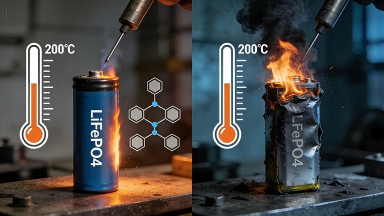
Safety is the most prominent advantage of Baterai LiFePO4. Unlike lithium-cobalt-oxide (LCO) or lithium-nickel-manganese-cobalt-oxide (NMC) batteries, LiFePO4 batteries have an extremely stable chemical structure. This stability prevents thermal runaway—a dangerous reaction that can cause overheating, fires, or explosions—even when the battery is punctured, short-circuited, or overcharged. For applications like home energy storage or electric vehicles, where safety is non-negotiable, this feature alone makes LiFePO4 the preferred option. Additionally, they produce no toxic fumes or leakage, further enhancing their safety profile.
2. Exceptional Longevity
Another standout trait of Baterai LiFePO4 is its impressive cycle life. A high-quality LiFePO4 battery can endure 2,000 to 5,000 charge-discharge cycles before its capacity drops to 80% of its original value—far exceeding lead-acid batteries (300-500 cycles) and even other lithium-ion batteries (1,000-1,500 cycles). This extended lifespan means fewer replacements over time, reducing long-term costs and environmental waste. For example, a LiFePO4 battery used in a solar storage system can last 10-15 years, while a lead-acid equivalent would need to be replaced every 2-3 years.
3. Wide Temperature Tolerance
Baterai LiFePO4 performs reliably across a broad range of temperatures, making it suitable for harsh environments. It can operate efficiently in temperatures as low as -20°C (-4°F) and as high as 60°C (140°F), though performance may slightly decrease at extreme ends. This is a significant advantage over lead-acid batteries, which struggle in cold weather (losing up to 50% of their capacity in freezing temperatures) and degrade quickly in high heat. Whether you’re using it in a snowy garage or a sun-baked RV, LiFePO4 batteries maintain consistent performance.
4. High Energy Density & Lightweight Design
While LiFePO4 batteries have a slightly lower energy density than NMC lithium-ion batteries, they still offer far higher energy density than lead-acid batteries. This means they can store more energy in a smaller, lighter package. For portable applications like electric scooters or camping gear, this lightweight advantage translates to better maneuverability and ease of transport. A 100Ah LiFePO4 battery, for instance, weighs roughly half as much as a lead-acid battery of the same capacity, making it ideal for off-grid adventures or mobile power needs.
5. Low Self-Discharge Rate
Baterai LiFePO4 has an extremely low self-discharge rate, losing only 1-2% of its charge per month when not in use. This is vastly superior to lead-acid batteries, which can lose 5-10% of their charge per month. This feature makes LiFePO4 batteries perfect for backup power systems or seasonal equipment (like snow blowers or garden tools) that may sit idle for months. You can trust that the battery will retain enough charge to work when you need it most, without requiring frequent top-ups.
Common Applications of Baterai LiFePO4
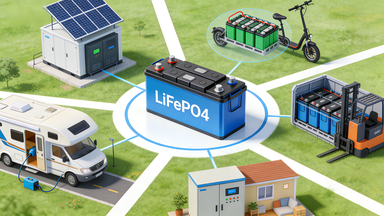
Thanks to their versatility, Baterai LiFePO4 is used in a wide range of applications across residential, commercial, and industrial sectors. Here are some of the most popular uses:
-
Solar Energy Storage: LiFePO4 batteries are the gold standard for off-grid and grid-tied solar systems. They efficiently store energy generated by solar panels during the day, providing a reliable power supply at night or during power outages. Their long lifespan and safety make them ideal for long-term solar investments, as they can withstand the daily charge-discharge cycles required for energy storage.
-
Electric Vehicles (EVs) & E-Mobility: Many electric cars, scooters, bikes, and golf carts now use LiFePO4 batteries. Their high power output, long cycle life, and safety make them suitable for the demands of daily commuting. Commercial EVs like delivery vans and forklifts also benefit from LiFePO4’s durability, as they can handle the frequent charging and heavy load requirements of commercial use.
-
RVs, Campers & Marine Equipment: For outdoor enthusiasts, Baterai LiFePO4 is a game-changer. It powers RV appliances, camping lights, and marine electronics (like fish finders and navigation systems) reliably. Its lightweight design reduces the overall weight of the vehicle or boat, improving fuel efficiency, and its low self-discharge rate ensures it stays charged during long trips.
-
Backup Power Systems: LiFePO4 batteries are used in home and commercial backup power systems to provide electricity during blackouts. They can power essential appliances like refrigerators, lights, and medical equipment for hours or even days, depending on the capacity. Their safety is particularly important in backup systems, as they may be left unattended for long periods.
-
Professional Tools & Industrial Equipment: Cordless power tools, industrial robots, and warehouse equipment often use LiFePO4 batteries. Their high power output allows tools to handle tough tasks (like cutting through metal or concrete) with ease, while their long cycle life reduces downtime for battery replacements. Industrial settings also benefit from their ability to operate in extreme temperatures.
-
Tips for Choosing and Maintaining Baterai LiFePO4
To get the most out of your Baterai LiFePO4, it’s important to choose the right battery for your needs and follow proper maintenance practices. Here’s what you need to know:
Key Factors to Consider When Buying
-
Capacity (Ah Rating): Capacity, measured in ampere-hours (Ah), indicates how much energy the battery can store. A higher Ah rating means longer runtime. For example, a 100Ah LiFePO4 battery will power a 100W appliance for 10 hours (assuming 100% efficiency). Choose a capacity that matches your usage needs—if you use your device for long periods without access to a charger, opt for a higher capacity.
-
Battery Management System (BMS): A high-quality BMS is essential for Baterai LiFePO4. The BMS monitors the battery’s voltage, current, and temperature, protecting it from overcharging, over-discharging, short-circuiting, and overheating. Always choose a battery with a reliable BMS from a reputable manufacturer, as a faulty BMS can reduce the battery’s lifespan or pose safety risks.
-
Brand Reputation: Not all LiFePO4 batteries are created equal. Choose a battery from a well-known brand with a proven track record of quality and reliability. Read customer reviews and check for certifications (like CE, UL, or IEC) to ensure the battery meets international safety and performance standards.
-
Compatibility: Ensure the battery is compatible with your device. Check the voltage (LiFePO4 batteries are available in various voltages, including 12V, 24V, 36V, and 48V), connector type, and physical dimensions. Using an incompatible battery can damage your device or the battery itself.
-
Warranty: A good warranty is a sign of the manufacturer’s confidence in their product. Look for Baterai LiFePO4 with a warranty of at least 5 years or 2,000 cycles. This covers defects in materials or workmanship and ensures you get a replacement if the battery fails prematurely.
Maintenance Tips to Maximize Lifespan
-
Use a Compatible Charger: Always charge your Baterai LiFePO4 with a charger specifically designed for LiFePO4 batteries. Using a charger for lead-acid or other lithium-ion batteries can damage the cells or reduce the battery’s lifespan. The charger should have a constant current-constant voltage (CC-CV) charging profile, which is optimal for LiFePO4 batteries.
-
Avoid Extreme Temperatures: While LiFePO4 batteries tolerate a wide temperature range, prolonged exposure to extreme heat or cold can degrade their performance. Store and use the battery in a cool, dry place (ideally between 10°C and 25°C) whenever possible. Avoid leaving it in direct sunlight or in a freezing garage for long periods.
-
Don’t Over-Discharge: Even with a BMS, it’s best to avoid fully discharging the battery. Recharge it when the capacity drops to 20-30% to reduce stress on the cells. Fully discharging the battery can damage the cells and reduce its lifespan.
-
Store Properly: If you’re not using the battery for an extended period, store it at 40-60% capacity in a cool, dry place. Avoid storing it at full charge or empty, as both can damage the cells. Check the battery’s charge every few months and top it up if necessary.
-
Keep Terminals Clean: Regularly inspect the battery’s terminals and clean them if they’re dirty or corroded. Corrosion can interfere with the battery’s connection to your device, causing poor performance. Use a dry, soft cloth to wipe away dirt and debris—never use water or harsh chemicals, as they can damage the terminals.
Is Baterai LiFePO4 Worth the Investment?
While Baterai LiFePO4 has a higher upfront cost than lead-acid batteries, its long lifespan, superior performance, and low maintenance requirements make it a cost-effective investment in the long run. Let’s break down the value proposition:
For residential users, a LiFePO4 solar storage system may cost 2-3 times more than a lead-acid system, but it will last 5-7 times longer. This means you’ll spend less money on replacements over the years, and you’ll benefit from better performance and safety. For commercial users, the reduced downtime from longer battery life and faster charging translates to increased productivity and lower operational costs.
Additionally, Baterai LiFePO4 is more environmentally friendly than lead-acid batteries. It contains no toxic lead or cadmium, and its long lifespan reduces the number of batteries that end up in landfills. For eco-conscious consumers and businesses, this is an added benefit that further justifies the investment.

Conclusion
Baterai LiFePO4 has established itself as a superior power solution for modern needs, offering unmatched safety, exceptional longevity, and versatile performance. Whether you’re powering a solar system, electric vehicle, RV, or professional tools, LiFePO4 batteries deliver reliable, efficient power that you can trust. By choosing the right battery and following proper maintenance practices, you can enjoy the benefits of this innovative technology for years to come.
If you’re tired of frequent battery replacements, worried about safety risks, or looking for a power solution that can handle harsh environments, Baterai LiFePO4 is the answer. It’s not just a battery—it’s a long-term investment in reliability, safety, and peace of mind.
lifepo4 batteries
what is lifepo4 battery
Related Article
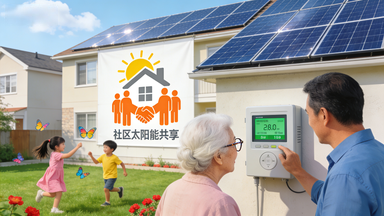
In an era where climate change urgency and energy security concerns dominate global conversations, the shift to renewable energy has moved from a "nice-to-have" to a necessity.
green mountain energy
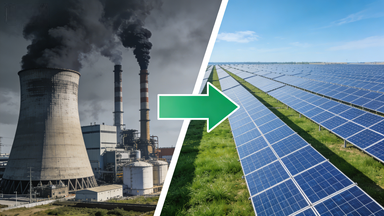
As the global community grapples with climate change, energy security, and rising fossil fuel costs, solar energy has emerged as a beacon of hope in the transition to a cleaner, more sustainable energy system.
pros of solar energy