battery 12v lifepo4
2025-12-17
Lithium Iron Phosphate (LFP) Batteries: The Unsung Hero of the Green Energy Revolution
In the race to decarbonize our world, batteries have emerged as the backbone of renewable energy adoption and electric mobility. Among the diverse range of battery chemistries, lithium iron phosphate (LFP) batteries have quietly risen to prominence—earning a reputation for reliability, safety, and cost-effectiveness that makes them indispensable in today’s green tech landscape. Let’s dive into what makes LFP batteries unique, where they’re making an impact, and why they’re poised to shape the future of energy storage.


What Are LFP Batteries, and How Do They Work?
Lithium iron phosphate batteries belong to the lithium-ion battery family, distinguished by their cathode material: lithium iron phosphate (LiFePO₄). Unlike other lithium-ion batteries that use cobalt, nickel, or manganese in their cathodes, LFP batteries rely on abundant, low-cost elements—iron and phosphorus—for their core functionality.
At a basic level, LFP batteries operate like most lithium-ion systems: during charging, lithium ions migrate from the cathode to the anode (typically graphite), storing energy. During discharge, the ions flow back to the cathode, releasing energy to power devices or vehicles. What sets LFP apart is the stable crystal structure of LiFePO₄, which enables unique performance benefits that other chemistries struggle to match.
The Core Advantages of LFP Batteries
What makes LFP batteries a standout choice for so many applications? Let’s break down their key strengths:
1. Unmatched Safety
Safety is where LFP batteries truly shine. The LiFePO₄ cathode’s stable olivine structure resists thermal runaway—an explosive reaction that plagues some other lithium-ion batteries (e.g., those with nickel-cobalt-aluminum cathodes) when overcharged, short-circuited, or damaged. LFP batteries can withstand higher temperatures (up to 600°C) without catching fire or leaking, making them ideal for high-risk environments like electric vehicles, home energy storage, and industrial applications.
2. Exceptional Longevity
LFP batteries boast an impressive cycle life—often exceeding 3,000 charge-discharge cycles at 80% depth of discharge (DoD), and some high-quality variants reach 10,000+ cycles. For context, many nickel-based lithium-ion batteries top out at 1,000–2,000 cycles. This longevity translates to lower total cost of ownership over time: an LFP battery in an electric vehicle (EV) can last 10–15 years, while a home storage system powered by LFP may outlast the solar panels it pairs with.
3. Cost Competitiveness
Thanks to their use of iron and phosphorus—elements far more abundant and cheaper than cobalt or nickel—LFP batteries have a significant cost advantage. Cobalt, in particular, is a scarce, conflict-prone material that drives up the price of other lithium-ion batteries. LFP batteries eliminate or reduce reliance on these expensive metals, making them 20–30% cheaper per kilowatt-hour (kWh) than nickel-cobalt batteries. This cost efficiency has been a game-changer for mass-market EVs and large-scale energy storage projects.
4. Wide Temperature Tolerance
LFP batteries perform reliably across a broad temperature range, from -20°C to 60°C. Unlike nickel-based batteries, which lose significant capacity in cold weather, LFP retains most of its performance in low temperatures—critical for EVs in northern climates or outdoor energy storage systems. Their ability to handle extreme heat also makes them suitable for desert regions or industrial settings.
5. Environmental Friendliness
Beyond cost, LFP batteries are more sustainable than their cobalt-containing counterparts. Iron and phosphorus are widely available, reducing the environmental impact of mining (compared to cobalt, which is often mined under unethical conditions in the Democratic Republic of Congo). Additionally, LFP batteries are easier to recycle, as they contain fewer toxic materials, aligning with global efforts to build a circular battery economy.

Where LFP Batteries Are Making an Impact
LFP’s unique blend of safety, longevity, and cost has made it the chemistry of choice for a wide range of applications:
Electric Vehicles (EVs)
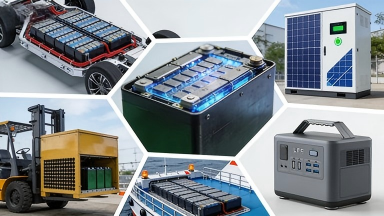
Once dominated by nickel-cobalt batteries, the EV market is rapidly shifting to LFP. Companies like Tesla, BYD, Ford, and Volkswagen now use LFP batteries in their entry-level and mid-range EVs (e.g., Tesla Model 3 Standard Range, BYD Dolphin). For fleet operators (buses, delivery trucks), LFP’s long cycle life and safety are especially valuable—reducing maintenance costs and minimizing downtime.
Energy Storage Systems (ESS)
LFP batteries are the backbone of grid-scale energy storage, home solar storage (e.g., Tesla Powerwall 3, BYD Home Battery), and commercial backup systems. Their ability to handle frequent charge-discharge cycles and operate safely in enclosed spaces makes them perfect for storing solar or wind energy—solving the intermittent nature of renewable power.
Portable Electronics and Industrial Equipment
LFP batteries power a growing range of devices, from power tools (DeWalt, Milwaukee) to medical equipment and marine applications. Their durability and resistance to vibration or impact make them ideal for heavy-duty use, while their low self-discharge rate ensures reliable performance when needed.
The Future of LFP Batteries: Innovations and Growth
While LFP batteries already offer compelling benefits, ongoing research and development are pushing their capabilities even further:
Higher Energy Density
One historical limitation of LFP batteries is their lower energy density (typically 120–180 Wh/kg) compared to nickel-cobalt batteries (200–300 Wh/kg). However, innovations like silicon anodes, nanotechnology-enhanced cathodes, and improved cell design are closing this gap. Recent advances have pushed LFP energy density to 200+ Wh/kg, making them viable for longer-range EVs and compact storage systems.
Faster Charging
New electrolyte formulations and cell architectures are enabling LFP batteries to support ultra-fast charging. Some modern LFP EV batteries can charge from 10% to 80% in 20–30 minutes—matching the charging speed of premium nickel-based batteries.
Expanding Market Adoption
The global LFP battery market is projected to grow at a CAGR of 25%+ through 2030, driven by soaring demand for EVs and energy storage. China (the world’s largest LFP producer) is scaling production, while Western manufacturers (e.g., Northvolt, Panasonic) are investing in LFP gigafactories to reduce supply chain reliance on Asia.
Recycling and Sustainability
As LFP battery adoption grows, recycling infrastructure is expanding. New processes can recover 95%+ of lithium, iron, and phosphorus from spent LFP batteries, creating a closed-loop system that reduces raw material demand and environmental impact.

Why LFP Batteries Matter for the Green Transition
In a world striving to reduce carbon emissions, LFP batteries are more than just a technical innovation—they’re a enabler of sustainable progress. Their safety and affordability make electric mobility accessible to millions, while their longevity and reliability accelerate the adoption of renewable energy. By eliminating cobalt and reducing nickel use, LFP batteries address ethical and supply chain risks, making the green revolution more equitable and resilient.
Whether you’re driving an EV, powering your home with solar, or using a cordless tool, chances are you’re already benefiting from LFP technology. As innovations continue to enhance their performance, LFP batteries will play an increasingly central role in building a cleaner, more sustainable future.
Final Thoughts
Lithium iron phosphate batteries may not have the same glamour as cutting-edge solid-state batteries, but their combination of safety, longevity, cost-effectiveness, and sustainability makes them the unsung hero of the energy transition. From powering our daily commutes to storing renewable energy for the grid, LFP batteries are proving that reliable, affordable technology is often the most impactful.
As we look ahead, keep an eye on LFP—this workhorse battery chemistry is set to dominate the next decade of green tech innovation. Whether you’re an EV buyer, a solar installer, or simply someone passionate about sustainability, understanding LFP batteries is key to navigating the future of energy.
48v lifepo4 battery
lithium iron phosphate batteries
Related Article
In an era where climate change urgency and energy security concerns dominate global conversations, the shift to renewable energy has moved from a "nice-to-have" to a necessity.
green mountain energy
As the global community grapples with climate change, energy security, and rising fossil fuel costs, solar energy has emerged as a beacon of hope in the transition to a cleaner, more sustainable energy system.
pros of solar energy