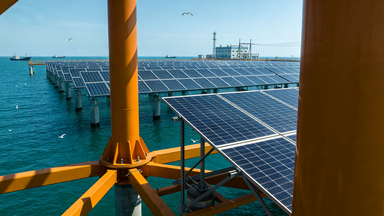
battery energy storage system
2025-11-05
Battery Energy Storage Systems (BESS): Revolutionizing How We Store and Use Energy
In an era where renewable energy like solar and wind is rapidly becoming the backbone of our power grids, one critical challenge has long stood in the way: intermittency. The sun doesn’t shine 24/7, and wind speeds fluctuate—so how do we ensure a steady, reliable energy supply when these sources aren’t producing? Enter the Battery Energy Storage System (BESS). This innovative technology isn’t just a “backup battery” for homes or businesses; it’s a game-changer for utilities, industries, and even entire communities, bridging the gap between energy generation and demand. Let’s dive into what BESS is, how it works, its key applications, and why it’s essential for a sustainable energy future.
What Is a Battery Energy Storage System (BESS)?
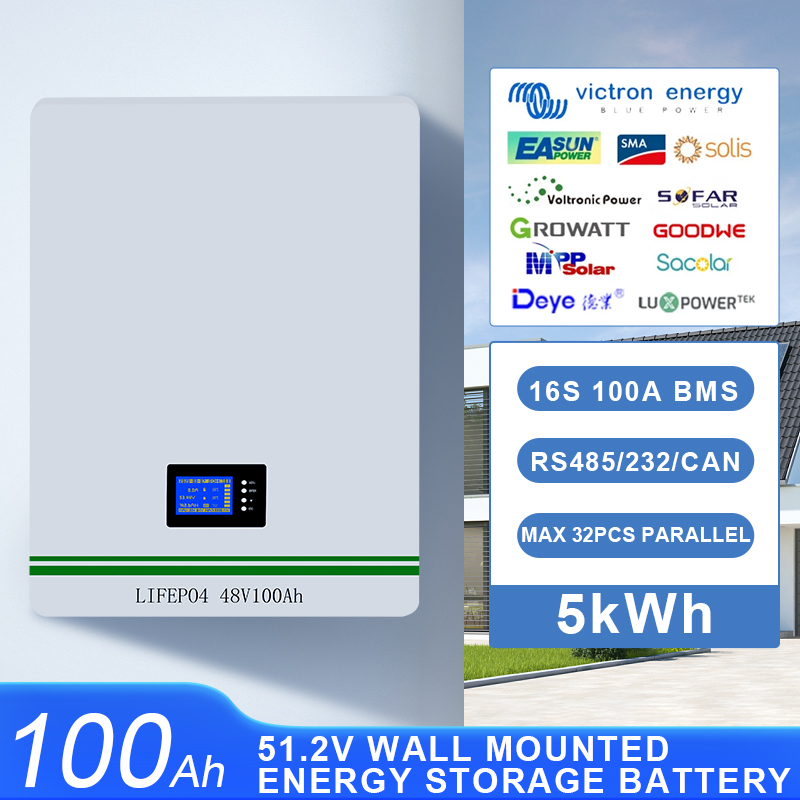
At its core, a Battery Energy Storage System (BESS) is a coordinated setup of rechargeable batteries, control software, and power conversion equipment designed to store electrical energy when supply exceeds demand and release it when demand peaks or generation drops. Unlike traditional backup generators (which run on fuel), BESS operates using electrochemical storage—think large-scale versions of the lithium-ion batteries in your phone or electric vehicle (EV), though other chemistries like lead-acid, flow batteries, or sodium-ion are also used for specific use cases.
The defining feature of BESS is its flexibility: it can charge quickly during off-peak hours (when electricity is cheaper and more abundant) and discharge instantly to meet sudden spikes in demand, stabilize the grid, or keep the lights on during outages. This makes it a critical tool for integrating more renewables into our energy mix while maintaining reliability.
How Does a BESS Work? A Simplified Breakdown
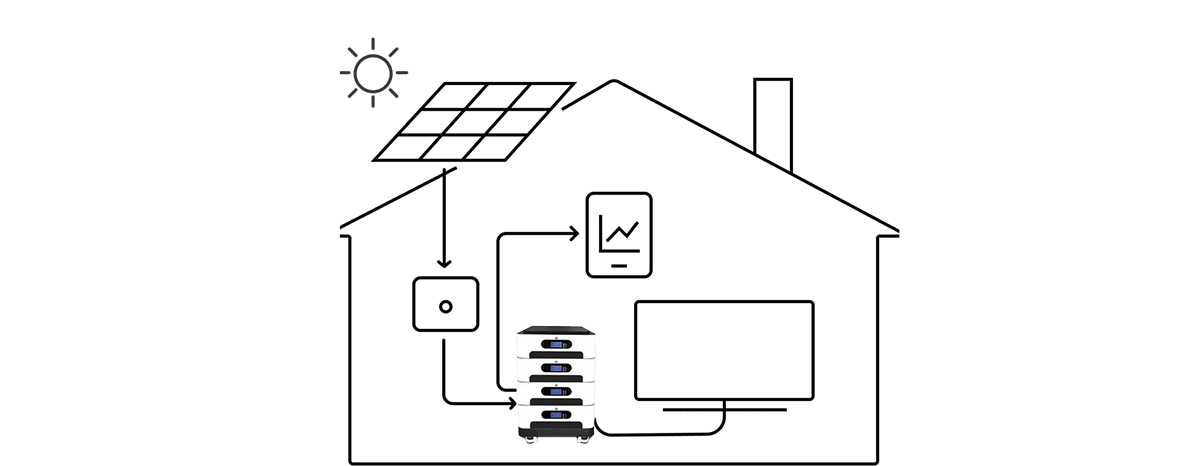
While BESS technology can vary in size (from small residential units to utility-scale facilities powering thousands of homes), the basic workflow remains the same:
- Energy Collection: BESS draws electricity from two main sources:
-
- Renewable energy systems: Solar panels or wind turbines that generate excess power during sunny/windy periods (often more than is needed in real time).
-
- The grid: During off-peak hours (e.g., late at night), when electricity demand is low and utility rates are cheaper.
- Storage: The collected electricity is sent to the BESS’s battery bank, where it’s stored as chemical energy. Control software monitors the battery’s state of charge (SoC) to prevent overcharging or deep discharge, which can extend the battery’s lifespan (typically 10–15 years for modern lithium-ion BESS).
- Power Conversion: When energy is needed, the BESS uses a power converter (specifically an inverter) to transform the stored DC (direct current) energy from the batteries into AC (alternating current)—the type of electricity used in homes, businesses, and the grid.
- Discharge: The converted AC energy is then released to:
-
- Power a home or business during peak demand hours (reducing reliance on the grid and lowering electricity bills).
-
- Stabilize the grid by balancing supply and demand (e.g., correcting voltage dips or frequency fluctuations).
-
- Provide backup power during blackouts (critical for hospitals, data centers, or remote communities).
- Monitoring & Optimization: Advanced BESS systems use AI-driven software to optimize charging and discharging schedules. For example, a utility-scale BESS might automatically discharge during a heatwave (when air conditioners drive up demand) or charge when wind speeds are high (maximizing use of renewable energy).
-
BESS isn’t a one-size-fits-all solution—it scales to meet diverse needs across sectors. Here are its most impactful use cases:
1. Residential BESS: Empowering Homeowners
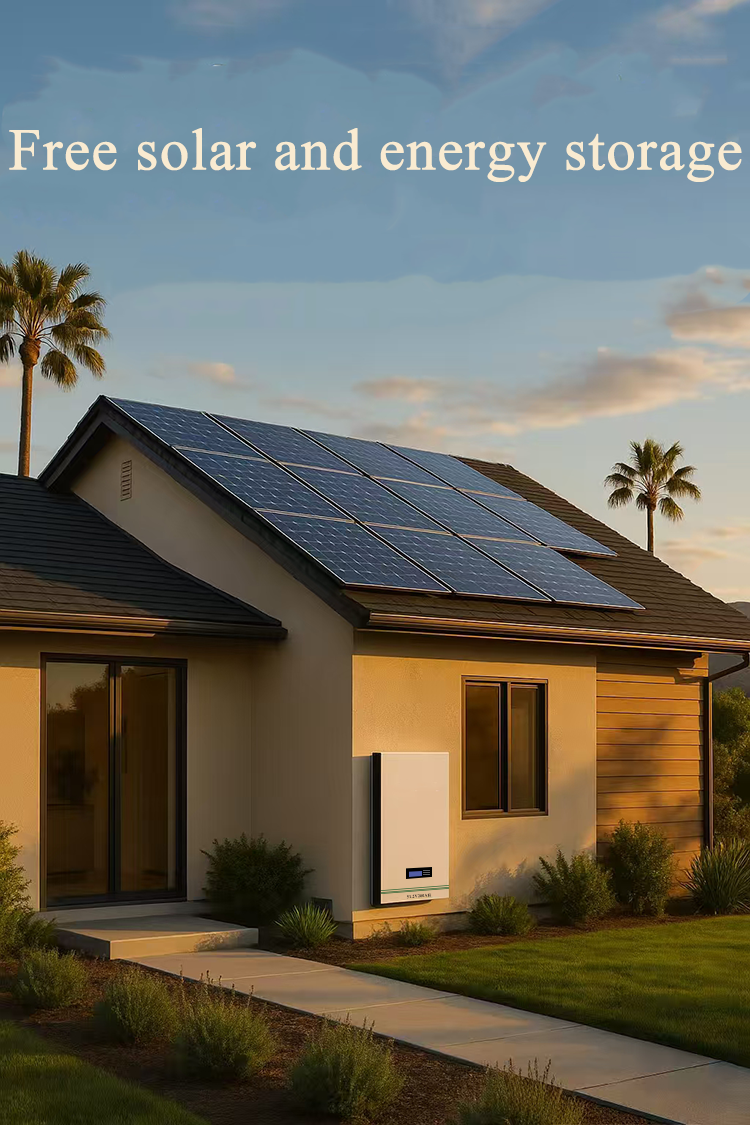
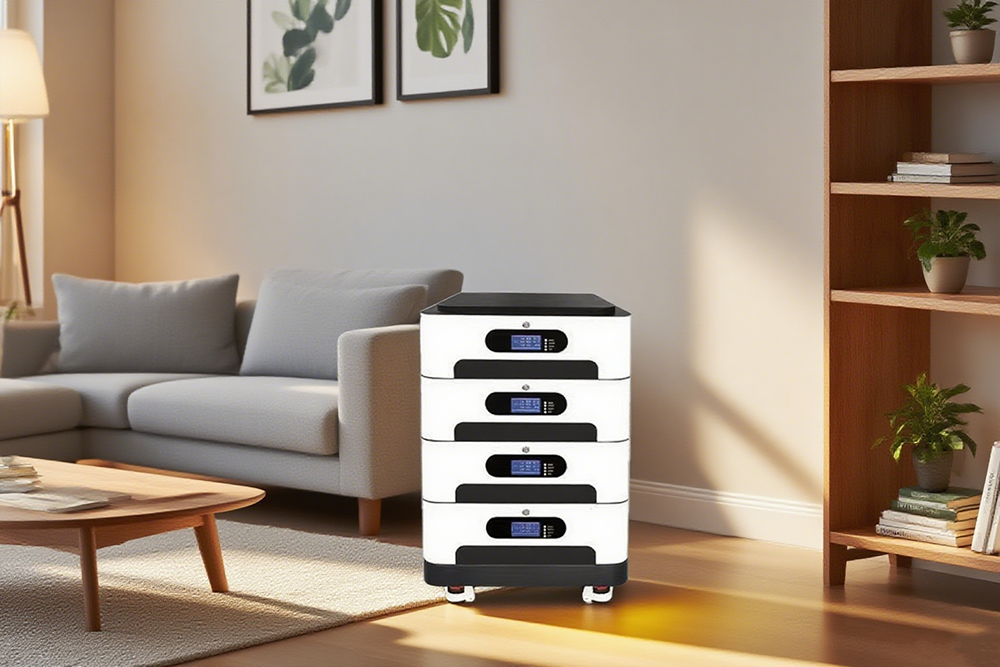
For homeowners with solar panels, a small BESS (usually 5–20 kWh) solves the “sunset problem”: it stores excess solar energy generated during the day to power the home at night, reducing or eliminating the need to buy electricity from the grid after dark. It also acts as a backup during outages—no more relying on noisy generators. Popular residential BESS options include Tesla’s Powerwall, LG Chem’s RESU, and Sonnen’s ecoLinx.
2. Commercial & Industrial (C&I) BESS: Cutting Costs and Risks
Businesses like factories, data centers, and retail stores use medium-sized BESS (20–500 kWh) to:
- Reduce peak demand charges: Utilities often charge higher rates when a business uses electricity during peak hours (e.g., 9 AM–5 PM). BESS discharges during these times, lowering the business’s monthly bill.
- Ensure business continuity: Data centers and hospitals can’t afford downtime—BESS provides instant backup power if the grid fails, avoiding costly disruptions.
- Optimize renewable use: Warehouses with rooftop solar can store excess power to run equipment during shifts when solar generation is low.
3. Utility-Scale BESS: Stabilizing the Grid
The largest BESS installations (500 kWh to multiple gigawatt-hours, or GWh) are owned and operated by utilities. These systems are critical for:
- Integrating renewables: When solar or wind generation spikes (e.g., a sunny afternoon), BESS stores the excess to prevent waste. When generation drops (e.g., sunset), it releases power to keep the grid stable.
- Frequency regulation: The grid requires a steady frequency (60 Hz in the U.S., 50 Hz in Europe) to function. BESS can adjust its output in milliseconds to correct frequency deviations, something traditional power plants (like coal or gas) can’t do as quickly.
- Microgrids for remote areas: In rural or island communities without access to a national grid, BESS paired with solar or wind creates self-sustaining energy systems—no more relying on expensive diesel generators.
-
Why BESS Is Essential for a Sustainable Future
Beyond convenience and cost savings, BESS plays a pivotal role in fighting climate change. Here’s how:
- Accelerates renewable adoption: Without storage, excess solar and wind energy is wasted (a problem called “curtailment”). BESS captures this energy, making renewables a more viable alternative to fossil fuels.
- Reduces reliance on fossil fuels: During peak demand, utilities often turn to “peaker plants”—small, inefficient gas or oil-fired power plants that emit high levels of CO2. BESS can replace these peaker plants, cutting greenhouse gas emissions.
- Enables electrification: As more homes and businesses switch to EVs and electric heating, demand for electricity will rise. BESS can manage this increased demand without straining the grid, making electrification feasible at scale.
Challenges and the Future of BESS
While BESS has made significant progress, challenges remain. The upfront cost of lithium-ion batteries (though falling rapidly) can be a barrier for small businesses or developing countries. Additionally, concerns about battery recycling and the ethical sourcing of materials (like lithium and cobalt) need to be addressed to make BESS fully sustainable.
But the future is bright. Innovations like solid-state batteries (which are safer, more energy-dense, and longer-lasting) and flow batteries (ideal for long-duration storage) are poised to improve BESS performance. Governments are also stepping in: the U.S. Inflation Reduction Act (IRA), for example, offers tax credits for BESS installations, while the EU’s Green Deal includes targets for increasing energy storage capacity.
Final Thoughts
Battery Energy Storage Systems (BESS) are no longer a “nice-to-have”—they’re a necessity for building a reliable, sustainable energy system. Whether you’re a homeowner looking to cut energy bills, a business aiming to reduce downtime, or a utility working to integrate renewables, BESS has a solution for you. As technology advances and costs fall, BESS will only become more accessible, helping us move closer to a world powered by clean energy.
Do you have questions about choosing the right BESS for your needs, or want to learn more about a specific application? Drop a comment below—I’d be happy to share more insights!
solar energy for household
solar energy system
Related Article
In an era where climate change urgency and energy security concerns dominate global conversations, the shift to renewable energy has moved from a "nice-to-have" to a necessity.
green mountain energy
As the global community grapples with climate change, energy security, and rising fossil fuel costs, solar energy has emerged as a beacon of hope in the transition to a cleaner, more sustainable energy system.
pros of solar energy