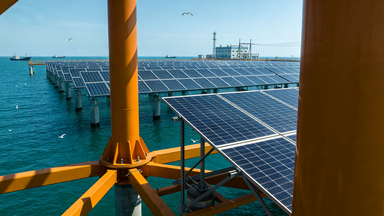
benefits of solar energy
2025-11-11
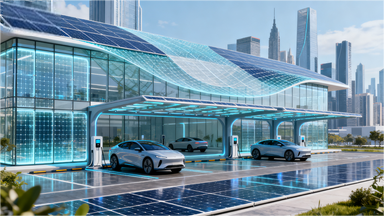
The Powerful Benefits of Solar Energy: Why It’s a Smart Choice for Today and Tomorrow
In a world where climate change concerns grow and energy costs fluctuate, more homeowners, businesses, and communities are turning to solar energy as a solution. Harnessing power from the sun—our planet’s most abundant, renewable resource—isn’t just a “green” trend; it’s a practical, cost-effective choice that offers far-reaching benefits. From slashing utility bills to reducing your carbon footprint, solar energy has something to offer everyone. Let’s dive into the key advantages that make it a game-changer for the present and future.

1. Slashes Your Energy Bills (and Offers Long-Term Savings)
One of the most immediate and tangible benefits of solar energy is its impact on your wallet. When you install solar panels, you generate your own electricity, which means you rely less (or not at all) on power from your local utility company. This directly lowers your monthly electricity bills—often by 50% or more, depending on your system size and energy usage.
For example, a typical U.S. household with solar panels saves an average of \(1,300 per year on energy costs, according to the Solar Energy Industries Association (SEIA). Over the 25- to 30-year lifespan of most solar panels, those savings add up to **\)32,500 to $39,000**—a significant return on investment.
Many regions also offer “net metering” programs: if your solar system produces more electricity than you use, the excess is sent back to the grid, and your utility company credits your account. This can further reduce costs, and in some cases, even lead to negative energy bills.

2. Reduces Your Carbon Footprint (Fights Climate Change)
Solar energy is one of the cleanest, most sustainable energy sources available. Unlike fossil fuels (coal, oil, natural gas), which release harmful greenhouse gases (like carbon dioxide) when burned, solar panels generate electricity with zero emissions. This means switching to solar directly reduces your carbon footprint and helps slow global warming.
To put it in perspective: a 5-kilowatt (kW) solar system (the average size for U.S. homes) prevents approximately 7,500 pounds of carbon dioxide from entering the atmosphere each year. That’s equivalent to planting 100 trees annually or driving a car 8,500 fewer miles. For businesses, large-scale solar installations can offset thousands of tons of emissions, aligning with corporate sustainability goals and appealing to eco-conscious customers.
3. Increases Your Property Value
If you’re a homeowner, solar panels are a smart investment in your property. Studies consistently show that homes with solar energy systems sell faster and for more money than comparable non-solar homes.
A 2022 study by the National Renewable Energy Laboratory (NREL) found that homes with solar panels sell for an average of 4.1% more than similar homes without them. For a \(500,000 home, that’s an extra \)20,500 in resale value. Buyers are drawn to solar because it promises lower monthly energy costs and long-term savings—making your home more competitive in the real estate market.
4. Provides Energy Independence (Less Reliance on the Grid)
Grid outages—caused by storms, wildfires, or infrastructure failures—can leave you without power for hours, days, or even weeks. Solar energy, especially when paired with a battery storage system, gives you energy independence. You’ll have a reliable source of electricity even when the grid goes down, ensuring your lights stay on, your fridge runs, and your essential devices stay charged.
This is particularly valuable for remote areas or regions with unstable grid systems. For businesses, energy independence means less risk of costly downtime during outages—protecting revenue and keeping operations running smoothly.

5. Low Maintenance Costs (and Long Lifespans)
Solar panels are designed to be durable and low-maintenance. Most systems require only basic upkeep: occasional cleaning (to remove dirt, leaves, or snow) and annual inspections to ensure everything is working properly. There are no moving parts in solar panels, so the risk of mechanical failure is minimal.
Most solar panel manufacturers offer warranties of 25 to 30 years, and many systems last even longer—up to 40 years with proper care. This means you’ll enjoy decades of clean energy with little to no additional costs beyond the initial installation. In contrast, fossil fuel-powered energy systems require constant fuel purchases and frequent maintenance, adding to long-term expenses.
6. Creates Jobs and Boosts Local Economies
The solar industry is a major job creator. Globally, the sector employed over 12 million people in 2023, according to the International Energy Agency (IEA)—and that number is growing. In the U.S. alone, solar jobs outnumber those in the coal, oil, and gas industries combined.
These jobs are often local: solar installation, sales, and maintenance roles are based in communities across the country, supporting local economies. When you invest in solar, you’re not just powering your home or business—you’re helping create stable, well-paying jobs for your neighbors.
7. Accessible Incentives and Tax Breaks
Governments, states, and localities around the world offer incentives to make solar energy more affordable. In the U.S., for example, the Federal Solar Investment Tax Credit (ITC) lets you deduct 30% of the cost of your solar system from your federal income taxes. Many states also offer additional rebates, tax credits, or grants, and some utilities provide discounts for solar installations.
These incentives can reduce the upfront cost of solar by 20% to 50%, making it accessible to more people. Even better, many of these programs are ongoing, so there’s still time to take advantage of the savings.

Final Thoughts: Solar Energy Is for Everyone
Whether you’re a homeowner looking to save money, a business aiming to cut emissions, or a community seeking reliable power, solar energy delivers. It’s a clean, affordable, and forward-thinking solution that benefits both you and the planet.
The sun provides more energy in one hour than the world uses in a year—so why not tap into that power? With falling installation costs, generous incentives, and long-term savings, there’s never been a better time to switch to solar.
Have you considered installing solar panels? Or do you already use solar energy? Share your experience in the comments below—I’d love to hear from you!
and solar energy
solar energy
Related Article
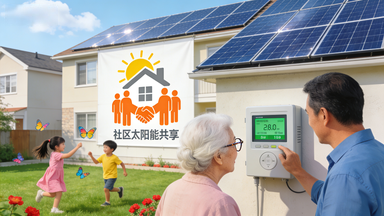
In an era where climate change urgency and energy security concerns dominate global conversations, the shift to renewable energy has moved from a "nice-to-have" to a necessity.
green mountain energy
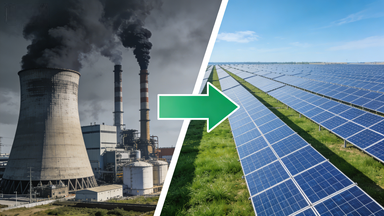
As the global community grapples with climate change, energy security, and rising fossil fuel costs, solar energy has emerged as a beacon of hope in the transition to a cleaner, more sustainable energy system.
pros of solar energy