energy solar tech
2025-11-10

Energy Solar Tech: Powering the Future with Clean, Renewable Energy
In an era where climate change concerns are growing and the demand for sustainable energy sources is higher than ever, energy solar tech has emerged as a game-changer. Harnessing the sun’s abundant and free energy, solar technology offers a way to reduce reliance on fossil fuels, lower carbon footprints, and create a more resilient energy system. Whether you’re a homeowner looking to cut electricity bills, a business aiming to go green, or simply curious about how solar power works, this blog will break down the key aspects of energy solar tech—from its core components to real-world applications and future innovations.

What Is Energy Solar Tech, and How Does It Work?
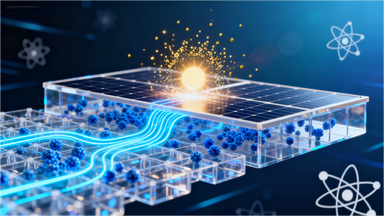
At its heart, energy solar tech refers to the tools, systems, and processes that convert sunlight into usable electricity or heat. The most common method relies on photovoltaic (PV) technology, which uses semiconducting materials (usually silicon) to generate an electric current when exposed to sunlight. Here’s a simplified breakdown of the process:
- Sunlight Hits PV Cells: When photons (particles of light) from the sun strike the surface of a PV cell, they knock electrons loose from the cell’s atoms.
- Electric Current Is Created: These free electrons flow through the cell’s conductive material, forming a direct current (DC) electricity.
- Inverter Converts DC to AC: Most homes and businesses use alternating current (AC) electricity, so an inverter converts the DC power from the PV cells into usable AC power.
- Power Is Used or Stored: The AC power can be used immediately to power appliances and devices, or excess energy can be stored in batteries (like solar battery systems) for later use or fed back into the grid (through net metering programs).
Key Components of a Solar Energy System
To fully understand energy solar tech, it’s important to know the main parts that make up a typical solar setup—whether it’s for a home, business, or large-scale solar farm:
1. Solar Panels
Solar panels (also called PV modules) are the most visible part of a solar system. They consist of multiple PV cells wired together, enclosed in a protective frame with a glass cover. Panels come in different sizes and efficiencies:
- Monocrystalline Panels: Made from a single crystal of silicon, these are the most efficient (converting 18–24% of sunlight into electricity) but also the most expensive.
- Polycrystalline Panels: Made from multiple silicon crystals, they have lower efficiency (15–18%) but are more affordable.
- Thin-Film Panels: Lightweight and flexible (made from materials like cadmium telluride), they’re ideal for small spaces or curved surfaces but have the lowest efficiency (10–12%).
-
2. Inverters
As mentioned earlier, inverters are critical for converting DC power to AC power. There are three main types:
- String Inverters: The most common for residential systems—they connect multiple solar panels in a “string” and convert power from the entire string at once.
- Microinverters: Installed on each individual panel, they convert power at the panel level, which is better for systems with shading (since one shaded panel won’t reduce the output of the whole string).
- Power Optimizers: Similar to microinverters, they optimize power output from each panel but still use a central inverter to convert DC to AC.
3. Solar Batteries
Solar batteries store excess energy generated during the day for use at night or during power outages. Popular options include lithium-ion batteries (lightweight and long-lasting) and lead-acid batteries (more affordable but bulkier). Battery storage is becoming increasingly popular as it makes solar systems more independent from the grid.
4. Mounting Systems
These hold solar panels in place and ensure they’re angled correctly to capture maximum sunlight. Common mounting options include:
- Roof-Mounted: The most common for homes—panels are installed on the roof (usually facing south in the Northern Hemisphere) at an angle matching the local latitude.
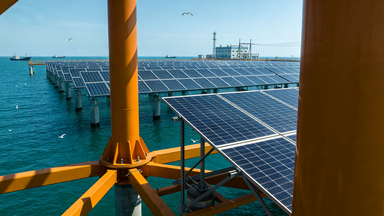
- Ground-Mounted: Used for larger systems (like solar farms or homes with limited roof space)—panels are installed on poles or frames in open areas.
- Tracking Systems: These move panels throughout the day to follow the sun, increasing efficiency by 20–30% compared to fixed mounts (though they’re more expensive).
Real-World Applications of Energy Solar Tech
Solar energy isn’t just for homes—it’s being used across industries to power everything from small devices to entire cities. Here are some key applications:
1. Residential Solar
Homeowners are increasingly installing rooftop solar systems to reduce electricity costs and increase energy independence. In many countries, government incentives (like tax credits or rebates) make residential solar more affordable. For example, the U.S. Federal Solar Tax Credit allows homeowners to deduct 30% of the cost of a solar system from their federal taxes.
2. Commercial and Industrial Solar
Businesses and factories use solar tech to cut operational costs and meet sustainability goals. Large-scale solar arrays (either on-site or off-site) can power manufacturing plants, office buildings, and retail stores. Some companies even use solar to power their supply chains—for instance, Walmart has installed solar panels on thousands of its stores worldwide.
3. Utility-Scale Solar Farms
Utility companies build massive solar farms (covering hundreds or thousands of acres) to generate electricity for the grid. These farms can power tens of thousands of homes—for example, the Bhadla Solar Park in India (one of the largest in the world) has a capacity of 2.7 gigawatts, enough to power over 4 million households.
4. Portable and Off-Grid Solar
Solar tech is also used in remote areas where grid access is limited. Portable solar panels (small enough to carry in a backpack) power camping gear, smartphones, and medical devices in rural communities. Off-grid solar systems (paired with batteries) provide electricity to homes, schools, and clinics in developing countries where extending the grid is too costly.

The Benefits of Energy Solar Tech
Solar energy offers a wide range of advantages for individuals, businesses, and the planet:
1. Clean and Renewable
Unlike fossil fuels (coal, oil, gas), solar energy doesn’t produce greenhouse gas emissions or air pollution. The sun provides an infinite supply of energy—using it helps reduce global warming and improve air quality.
2. Cost-Effective
While the upfront cost of a solar system can be high, the long-term savings are significant. Solar panels have a lifespan of 25–30 years, and once installed, they generate free electricity. Many homeowners recoup their investment within 5–10 years through lower utility bills. Additionally, solar energy can protect against rising electricity prices—since sunlight is free, you’re not affected by fluctuations in fossil fuel costs.
3. Low Maintenance
Solar systems require minimal maintenance. Panels only need occasional cleaning (to remove dirt or debris), and inverters may need to be replaced every 10–15 years. Most solar companies offer warranties of 20–25 years for panels, so you don’t have to worry about unexpected repairs.
4. Energy Independence
Solar power allows you to generate your own electricity, reducing reliance on the grid. This is especially valuable during power outages (if you have battery storage) or in areas with unreliable grid service. For countries, solar energy reduces dependence on imported fossil fuels, improving energy security.
Challenges and Future Innovations
While energy solar tech has come a long way, there are still some challenges to overcome:
1. Intermittency
Solar energy depends on sunlight, so it’s not available at night or during cloudy weather. Battery storage helps address this, but batteries are still relatively expensive. However, as battery technology improves and costs fall, this issue is becoming less of a barrier.
2. Upfront Costs
The initial cost of installing a solar system can be a deterrent for some. While incentives and financing options (like solar loans or leases) help, more affordable solutions are needed to make solar accessible to everyone.
3. Land Use (for Large-Scale Solar)
Utility-scale solar farms require a lot of land, which can conflict with agriculture or natural habitats. However, innovations like “agrivoltaics” (combining solar panels with farming—panels provide shade for crops, and crops grow beneath them) are helping to solve this problem.
Future Innovations
The future of energy solar tech is bright, with new innovations promising to make solar even more efficient, affordable, and versatile:
- Perovskite Solar Cells: These are a new type of PV cell made from inexpensive materials (like lead halides) that can be printed on flexible surfaces. They have the potential to be more efficient than silicon panels (some lab tests have shown efficiencies over 30%) and cheaper to produce.
- Solar Windows: Researchers are developing transparent solar panels that can be installed on windows—turning buildings into energy generators without blocking light.
- Solar-Powered Desalination: Solar energy is being used to power desalination plants, turning seawater into clean drinking water—a critical solution for water-scarce regions.
- AI and Smart Solar Systems: Artificial intelligence is being used to optimize solar system performance—AI algorithms can predict sunlight levels, adjust panel angles, and manage battery storage to maximize energy output.
Is Energy Solar Tech Right for You?
If you’re considering adopting solar energy, here are a few questions to ask yourself:
- Do you have access to sunlight?: Homes or businesses with unshaded roofs (or open land) are ideal for solar.
- What are your energy needs?: A solar installer can assess your electricity usage and recommend a system size that meets your needs.
- Are there incentives available?: Check local, state, or federal incentives (tax credits, rebates, net metering) to reduce costs.
- Do you want to go off-grid or stay connected to the grid?: If you want to be fully independent, you’ll need a battery storage system. If you stay connected, you can sell excess energy back to the grid (through net metering).
-

Final Thoughts
Energy solar tech is no longer a “future” energy source—it’s a present-day solution that’s transforming how we power our lives. From rooftop panels on homes to massive solar farms powering cities, solar energy is making clean, renewable power accessible to more people than ever before. While there are still challenges to overcome, ongoing innovations are making solar more efficient, affordable, and versatile.
Whether you’re looking to save money, reduce your carbon footprint, or gain energy independence, solar tech is worth considering. As the world continues to shift toward sustainable energy, solar power will play a key role in building a cleaner, greener future.
Have questions about installing a solar system or the latest solar innovations? Drop a comment below—I’d love to hear from you!
is solar energy renewable
solar energy strengths
Related Article
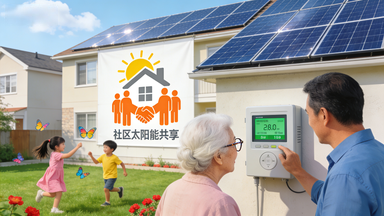
In an era where climate change urgency and energy security concerns dominate global conversations, the shift to renewable energy has moved from a "nice-to-have" to a necessity.
green mountain energy
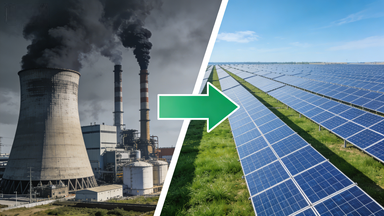
As the global community grapples with climate change, energy security, and rising fossil fuel costs, solar energy has emerged as a beacon of hope in the transition to a cleaner, more sustainable energy system.
pros of solar energy