home solar and battery
2025-12-23

Home Solar and Battery: Your Gateway to Energy Independence and Savings
As concerns about rising energy costs, climate change, and grid reliability continue to grow, more homeowners are turning to home solar and battery systems as a comprehensive solution. This powerful combination not only allows you to harness clean, renewable energy from the sun but also lets you store excess power for later use—eliminating your reliance on the traditional power grid and providing peace of mind during outages. Whether you’re looking to reduce your monthly electricity bills, lower your carbon footprint, or gain greater control over your energy supply, a home solar and battery system offers a range of benefits that make it a smart investment for modern households. In this blog, we’ll explore everything you need to know about this dynamic duo, from how they work together to key considerations when choosing a system.


How Home Solar and Battery Systems Work Together
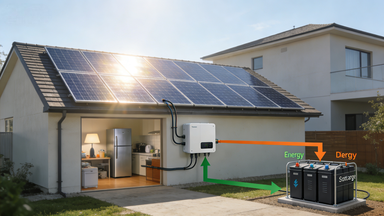
To fully appreciate the value of home solar and battery systems, it’s important to understand how they function as a cohesive unit. At its core, the system consists of two main components: solar panels and a battery storage system, along with an inverter that converts the energy into a usable form.
First, the solar panels (typically installed on your roof or a ground-mounted rack) capture sunlight and convert it into direct current (DC) electricity. During daylight hours, especially on sunny days, your solar panels may produce more electricity than your home immediately needs. Instead of sending this excess energy back to the grid (or relying on the grid when production is low), the battery storage system steps in. The inverter converts the DC electricity from the panels into alternating current (AC) electricity, which powers your home’s appliances and electronics. Any surplus AC energy is then stored in the battery for later use—such as during nighttime, cloudy weather, or power outages.
Many modern home solar and battery systems also come with smart monitoring technology. This allows you to track your energy production, consumption, and storage in real time via a smartphone app or web portal. You can see exactly how much energy your solar panels are generating, how much your home is using, and how much is being stored in the battery—giving you full transparency and control over your energy usage.
Key Benefits of Combining Home Solar with Battery Storage
While solar panels alone can help you save on electricity bills, adding a battery storage system takes the benefits to the next level. Here are the most compelling advantages of integrating home solar and battery:
-
Energy Independence and Grid Resilience: One of the biggest perks is breaking free from the traditional power grid. With a fully charged battery, you can power your home during grid outages, extreme weather events, or peak demand periods when the grid is under strain. This is especially valuable in areas prone to blackouts or where grid reliability is a concern. You won’t have to worry about spoiled food in the refrigerator, interrupted work from home, or being left in the dark.
-
Maximize Savings on Electricity Bills: Without a battery, excess solar energy is often fed back to the grid in exchange for net metering credits (depending on your location). However, these credits are often worth less than the retail price of electricity you pay when you need to draw power from the grid. With a battery, you can store that excess energy and use it later when solar production is low, avoiding the need to buy expensive grid electricity. This maximizes your savings by ensuring you get the most value out of every kilowatt-hour (kWh) your solar panels generate.
-
Reduce Carbon Footprint: Home solar energy is 100% clean and renewable, producing no greenhouse gas emissions or air pollutants. By using solar power instead of electricity from fossil fuels (like coal or natural gas), you significantly reduce your home’s carbon footprint. Adding a battery ensures that you use more of the clean energy you generate (rather than relying on the grid for backup), further enhancing your environmental impact.
-
Take Advantage of Time-of-Use (TOU) Rates: Many utility companies use time-of-use pricing, where electricity rates are higher during peak demand hours (e.g., weekday evenings) and lower during off-peak hours (e.g., early mornings or nights). A home solar and battery system lets you strategically use stored solar energy during peak rate periods, avoiding the higher costs. You can charge the battery with solar energy during the day (when rates are low or you’re producing excess power) and discharge it when rates are highest—saving even more money.
-
Increased Home Value: Studies have shown that homes equipped with solar panels and battery storage systems have higher resale values. Potential buyers are increasingly drawn to properties that offer energy savings, sustainability, and grid independence. Installing a home solar and battery system is not just an investment in your energy future—it’s an investment in your home’s value.
-
Important Considerations When Choosing a Home Solar and Battery System
Investing in a home solar and battery system is a significant decision, so it’s important to do your research and choose the right system for your needs. Here are the key factors to consider:
1. Battery Capacity and Type
Battery capacity is measured in kilowatt-hours (kWh) and determines how much energy the battery can store. The right capacity for your home depends on your energy usage habits, the size of your solar panel system, and how long you want to power your home during outages. For example, a family that uses 30 kWh of electricity per day may need a 10-15 kWh battery to cover essential loads (refrigerator, lights, internet) during an outage.
The most common type of battery used in home solar systems is lithium-ion (similar to the batteries in smartphones and electric vehicles). Lithium-ion batteries are preferred for their high energy density, long lifespan (10-15 years), and low maintenance requirements. Within lithium-ion, there are sub-types like lithium iron phosphate (LiFePO4), which is known for its safety and durability. Other options, like lead-acid batteries, are cheaper but have shorter lifespans and require more maintenance—making them less ideal for most homeowners.
2. Solar Panel Size and Compatibility
Your solar panel system size should be matched to your energy needs and the capacity of your battery. A larger solar panel system will generate more energy, which can charge the battery faster and cover more of your daily usage. It’s important to ensure that the solar panels, inverter, and battery are all compatible with each other. Many manufacturers offer integrated systems where all components are designed to work together seamlessly, which can simplify installation and improve performance.
3. Installation and Warranty
Choose a reputable, certified installer with experience in home solar and battery systems. Proper installation is crucial for safety, performance, and compliance with local building codes and utility regulations. Ask for references, read reviews, and compare quotes from multiple installers.
Warranties are also a key consideration. Most solar panels come with a 25-year performance warranty, while batteries typically have a 10-15 year warranty that guarantees a certain level of capacity (e.g., 80% of original capacity after 10 years). Make sure you understand the terms of the warranty, including what is covered, how to make a claim, and whether the warranty is transferable if you sell your home.
4. Local Incentives and Regulations
Many governments, states, and utility companies offer incentives to encourage homeowners to install solar and battery systems. These can include tax credits, rebates, grants, or favorable net metering policies. Research the incentives available in your area—they can significantly reduce the upfront cost of the system. Additionally, check local regulations and permitting requirements, as these can vary by location and may impact the installation process and timeline.
5. Smart Features and Integration
Look for systems with smart features that enhance usability and efficiency. This includes real-time energy monitoring, smartphone app control, and integration with smart home devices (e.g., thermostats, smart lights). Some advanced systems can even automatically optimize energy usage based on your habits, TOU rates, and weather forecasts—ensuring you get the most out of your solar and battery system.

Maintenance Tips for Home Solar and Battery Systems
Home solar and battery systems are relatively low maintenance, but proper care can extend their lifespan and ensure optimal performance. Here are some simple maintenance tips:
-
Keep Solar Panels Clean: Dust, dirt, leaves, and bird droppings can reduce the efficiency of your solar panels. Clean them regularly (2-4 times a year) with a soft brush and water. Avoid using harsh chemicals or high-pressure washers, which can damage the panels.
-
Inspect the System Regularly: Check the solar panels, inverter, and battery for any signs of damage (e.g., cracks, corrosion, loose connections). If you notice any issues, contact your installer immediately.
-
Monitor Energy Usage: Use the smart monitoring app to track your system’s performance. If you notice a sudden drop in energy production or battery capacity, it may indicate a problem that needs to be addressed.
-
Keep the Battery in a Cool, Dry Place: Lithium-ion batteries perform best in cool, dry environments. Avoid installing the battery in areas with extreme temperatures (e.g., attics, garages with no insulation) or high humidity, as this can reduce its lifespan.
-
Follow Manufacturer Guidelines: Always adhere to the manufacturer’s maintenance recommendations for your specific system. This may include periodic checks by a certified technician.
Is a Home Solar and Battery System Right for You?
A home solar and battery system is a great investment for most homeowners, but it’s not one-size-fits-all. It’s particularly beneficial if you:
-
Live in an area with abundant sunlight (though modern solar panels work well in cloudy areas too).
-
Have high electricity bills or live in an area with time-of-use rates.
-
Are concerned about grid reliability or frequent power outages.
-
Want to reduce your carbon footprint and live more sustainably.
-
Plan to stay in your home for 5+ years (to recoup the upfront cost through savings).
If you’re unsure, consider getting a professional energy audit or consulting with a solar installer. They can assess your home’s energy needs, solar potential, and budget to help you determine if a home solar and battery system is the right choice.

Conclusion
Home solar and battery systems are transforming the way homeowners power their homes—offering energy independence, significant cost savings, and a more sustainable lifestyle. By harnessing the power of the sun and storing excess energy for later use, you can reduce your reliance on the grid, protect yourself from rising energy costs, and do your part to fight climate change.
When choosing a system, focus on factors like battery capacity and type, solar panel compatibility, installation quality, and local incentives. With proper maintenance, your home solar and battery system will provide reliable, clean energy for decades to come.
Ready to take the first step toward energy independence? Start by researching local installers, exploring available incentives, and assessing your home’s solar potential. Your future self—and the planet—will thank you.
lithium ion batteries for solar
charge car battery with solar
Related Article
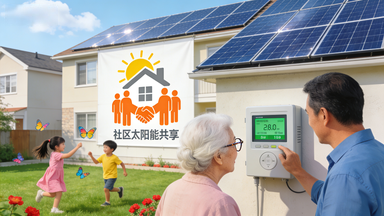
In an era where climate change urgency and energy security concerns dominate global conversations, the shift to renewable energy has moved from a "nice-to-have" to a necessity.
green mountain energy
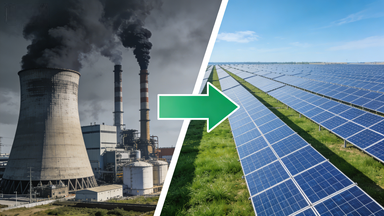
As the global community grapples with climate change, energy security, and rising fossil fuel costs, solar energy has emerged as a beacon of hope in the transition to a cleaner, more sustainable energy system.
pros of solar energy