how does solar energy work
2025-11-07

In a world where we’re increasingly focused on clean, renewable energy, solar power has become a household term. You’ve probably seen solar panels on rooftops, in large solar farms, or even on small devices like calculators—but have you ever wondered, how does solar energy actually work? It’s not as complicated as it sounds! At its core, solar energy harnesses the sun’s light (and heat) and converts it into usable electricity for homes, businesses, and more. Let’s break down this process step by step, from the sun’s rays to the power that runs your fridge or charges your phone.

First: Where Does Solar Energy Come From?
Before we dive into the “how,” let’s start with the “source.” The sun is a massive, super-hot star that emits an enormous amount of energy every second—mostly in the form of light (photons) and heat. This energy travels 93 million miles (about 150 million kilometers) to Earth in just 8.5 minutes. Even though only a tiny fraction of that energy reaches our planet, it’s still more than enough to power the entire world multiple times over. Solar energy systems capture this sunlight and turn it into electricity we can use daily.
Step 1: Solar Panels Absorb Sunlight
The first key component in a solar energy system is the solar panel (also called a photovoltaic panel, or “PV panel” for short). Each solar panel is made up of dozens (or even hundreds) of small, square cells called photovoltaic cells—the “magic” parts that convert sunlight into electricity.
These cells are typically made from a semiconductor material, most commonly silicon (the same material used in computer chips). Silicon is ideal because it can absorb sunlight and release electrons (tiny, negatively charged particles) when exposed to light—a process called the photovoltaic effect (hence the name “photovoltaic cells”).
Here’s what happens at the cell level:
- When sunlight hits a photovoltaic cell, its photons (particles of light) knock into the silicon atoms.
- This collision frees electrons from the silicon atoms, creating a flow of electrons (also known as an electric current).
Step 2: The Inverter Converts DC to AC Electricity
The electricity generated by solar panels is direct current (DC)—the same type of electricity that comes from a battery. However, most homes, businesses, and electrical grids use alternating current (AC) electricity. Why? Because AC electricity can travel longer distances without losing power, making it more efficient for powering buildings and connecting to the grid.
This is where the solar inverter comes in. The inverter is a critical part of the solar system that takes the DC electricity from the solar panels and converts it into usable AC electricity. There are two main types of inverters:
- String inverters: These connect multiple solar panels together in a “string” and convert the combined DC power to AC. They’re common for residential systems.
- Microinverters: These are small inverters attached to each individual solar panel. They convert DC to AC right at the panel, which can be more efficient if some panels are shaded (since shading one panel won’t affect the whole system).
Once converted to AC, the electricity is ready to power your home or business in real time.

Step 3: Using the Electricity (or Sending It to the Grid)
Now that you have AC electricity, here’s how it’s used:
- Powering your home/business first: The electricity from the inverter is sent directly to your electrical panel (also called a breaker box). From there, it powers your lights, appliances, electronics, and anything else that uses electricity—just like the power from your utility company.
- Storing excess electricity (optional): If your solar panels generate more electricity than you’re using (e.g., during a sunny day when you’re at work), you can store the extra in a solar battery (like a Tesla Powerwall). This stored energy can be used later, such as at night when the sun isn’t shining or during a power outage.
- Selling excess to the grid (net metering): If you don’t have a battery, many utility companies offer a program called net metering. This lets you send your excess solar electricity back to the local power grid. In return, your utility company credits your bill—essentially “paying” you for the extra power you generate. It’s a great way to save money and make your solar system more cost-effective.
Step 4: What About Solar Thermal Systems?
While we’ve focused on photovoltaic (PV) systems (which convert sunlight to electricity), there’s another type of solar energy system: solar thermal systems. These work a bit differently—instead of making electricity, they capture the sun’s heat to warm water or air for your home.
Here’s how solar thermal works:
- Solar thermal panels (also called “solar collectors”) have tubes filled with a heat-absorbing fluid (like water or a special antifreeze).
- Sunlight heats the fluid in the tubes.
- The heated fluid is then pumped to a heat exchanger, which transfers the heat to your home’s water supply (for showers, dishwashers) or to your heating system (to warm your house).
Solar thermal is a great option if you want to reduce your water heating or heating bills, even if you don’t need to power your entire home with solar electricity.

Why Does This Matter? The Benefits of Solar Energy
Understanding how solar energy works helps you see why it’s such a game-changer for the planet and your wallet:
- Clean and renewable: Solar energy produces no greenhouse gas emissions (unlike fossil fuels like coal or gas), so it helps fight climate change.
- Low maintenance: Solar panels last 25–30 years and require minimal upkeep (just occasional cleaning).
- Cost savings: Once you install a solar system, your electricity bills drop—sometimes to zero if you generate enough power.
- Energy independence: With solar (and a battery), you’re less reliant on the grid, which is helpful during power outages.
Final Thoughts: Solar Energy Is for Everyone
You don’t need to be a scientist to understand how solar energy works. At its heart, it’s a simple process: sunlight hits solar panels, photovoltaic cells create an electric current, an inverter converts it to usable AC power, and you use that power to run your life. Whether you’re a homeowner looking to save money, a renter curious about community solar, or just someone who cares about the planet, solar energy is a accessible, sustainable solution.
Got more questions? Do you want to learn about solar panel installation costs or how to choose the right system for your home? Drop a comment below—I’m here to help!

solar energy strengths
solar batteries
Related Article
In an era where climate change urgency and energy security concerns dominate global conversations, the shift to renewable energy has moved from a "nice-to-have" to a necessity.
green mountain energy
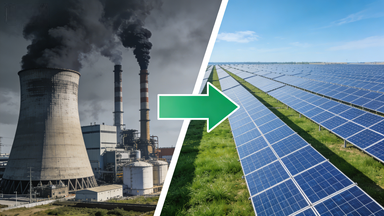
As the global community grapples with climate change, energy security, and rising fossil fuel costs, solar energy has emerged as a beacon of hope in the transition to a cleaner, more sustainable energy system.
pros of solar energy