how is solar energy produced
2025-11-01

How Is Solar Energy Produced? A Simple Breakdown of the Process
Solar energy is one of the most abundant and cleanest sources of renewable energy on the planet. Unlike fossil fuels that release harmful emissions, solar power harnesses energy from the sun to generate electricity—no pollution, no finite resources, just endless sunlight (well, at least for the next 5 billion years!). But have you ever wondered, how exactly is solar energy produced? It’s not as complicated as it sounds. Let’s walk through the step-by-step process, from sunlight hitting Earth to powering your home’s lights or phone charger.
First: Understanding the Source—The Sun’s Energy
Before we dive into production, let’s start with the basics. The sun emits an enormous amount of energy every second, mostly in the form of solar radiation (a mix of visible light, ultraviolet rays, and infrared heat). This radiation travels 93 million miles to Earth in about 8 minutes—and when it reaches us, we can capture and convert it into usable energy.
The key to producing solar energy lies in converting light energy (photons) from the sun into electrical energy. This happens in two main ways: through photovoltaic (PV) systems (the solar panels you see on rooftops) and concentrated solar power (CSP) plants (larger-scale systems for power grids). We’ll focus on PV systems first—they’re the most common for homes, businesses, and small-scale use.
Step 1: Solar Panels Capture Sunlight
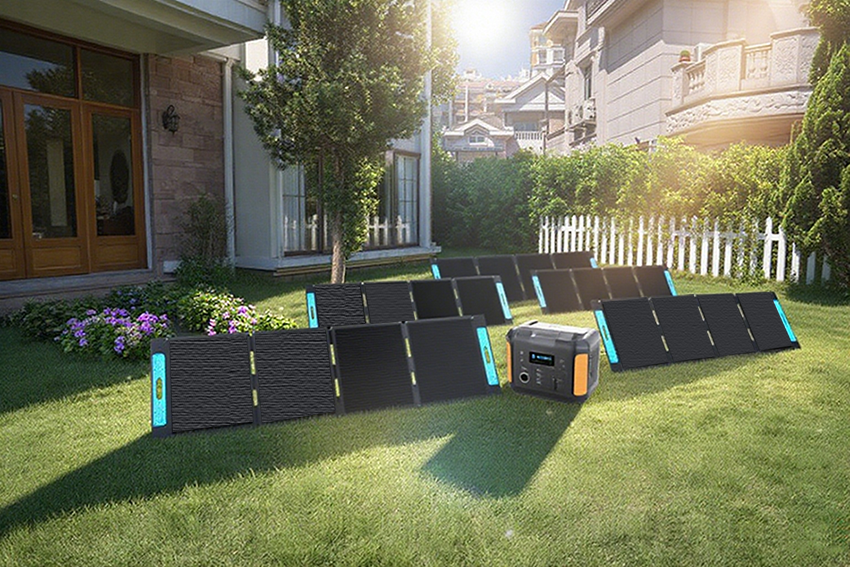
The process starts with solar panels, which are made up of smaller units called solar cells (usually made of silicon, a semiconductor material). Each solar cell is designed to absorb sunlight:
- When sunlight hits a solar cell, its photons (tiny energy particles) collide with the silicon atoms in the cell.
- Silicon has a unique structure: it has four electrons in its outer shell, and solar cells are made with two layers of silicon—one “doped” with phosphorus (which adds extra electrons, making it a “negative” layer) and the other with boron (which creates “holes” where electrons are missing, making it a “positive” layer).
- The collision from photons knocks electrons loose from the silicon atoms. These free electrons are drawn toward the negative layer, while the holes move toward the positive layer. This creates a separation of charges—like a tiny battery.
-
Step 2: Creating an Electric Current
The separated electrons and holes don’t just sit idle—they need a path to flow. Solar cells have metal contacts (thin wires) on the top and bottom that act as a “bridge” for the electrons:
- The free electrons move through the top metal contact, then into an external circuit (like the wires connected to your home), and finally back to the bottom contact to fill the holes in the positive layer.
- This flow of electrons is an direct current (DC) electricity—the same type of electricity that powers batteries. But most homes and businesses use alternating current (AC) electricity, so we need one more step to make the solar energy usable.
Step 3: Inverters Convert DC to AC
Enter the solar inverter—a crucial device that turns DC electricity into AC electricity. Here’s how it works:
- The DC electricity from the solar panels flows into the inverter.
- The inverter uses electronic components (like transistors) to rapidly switch the direction of the current, converting it into AC.
- Once converted to AC, the electricity can be used immediately to power your home: lights, appliances, TVs, and more. Any excess electricity that you don’t use right away can be stored in a solar battery (for later use, like at night) or fed back into the local power grid (many utility companies pay you for this via “net metering”).
-

Step 4: Large-Scale Solar Production (CSP Plants)
While PV systems are great for small-scale use, concentrated solar power (CSP) plants produce solar energy on a much larger scale to supply power grids. The process is a bit different, but it still relies on sunlight:
- CSP plants use thousands of mirrors (called “heliostats”) to reflect and concentrate sunlight onto a central receiver (usually a tower or a tube filled with a heat-transfer fluid, like oil or molten salt).
- The concentrated sunlight heats the fluid to extremely high temperatures (up to 1,000°F or more).
- This hot fluid is used to boil water, creating steam.
- The steam spins a turbine, which is connected to a generator—just like in a coal or natural gas power plant. The generator then converts the turbine’s mechanical energy into electricity (AC power), which is sent to the grid.
Bonus: Storing Solar Energy for Later
One challenge with solar energy is that it only produces power when the sun is shining. That’s where solar batteries come in. After the inverter converts DC to AC, any unused electricity can be sent to a battery for storage:
- The battery stores the excess DC electricity (some batteries work directly with DC, while others use a separate converter).
- At night or on cloudy days, when the solar panels aren’t producing enough power, the battery releases the stored energy. This energy is converted back to AC (if needed) and used to power your home—so you’re not just relying on the grid.

Why Does This Matter?
Understanding how solar energy is produced helps you see why it’s such a game-changer for the planet. Unlike fossil fuels, which require mining, drilling, and burning (releasing carbon dioxide and pollutants), solar energy production is clean: no emissions, no water waste (unlike coal or nuclear plants), and no harm to ecosystems. Plus, once you install solar panels, the “fuel” (sunlight) is free—saving you money on electricity bills in the long run.

Final Thoughts
Producing solar energy boils down to one core idea: turning sunlight into electricity. Whether it’s through rooftop solar panels (capturing photons, creating DC current, converting to AC) or large CSP plants (concentrating sunlight, making steam, spinning turbines), the process is efficient, scalable, and sustainable.
As solar technology gets cheaper and more advanced, it’s becoming easier for everyone to tap into this renewable resource. So the next time you see a solar panel, you’ll know exactly how it’s turning sunlight into the power that keeps our world running.
Got questions about solar energy production? Leave a comment below—I’m happy to dive deeper!
solar energy system
what is solar energy
Related Article
In an era where climate change urgency and energy security concerns dominate global conversations, the shift to renewable energy has moved from a "nice-to-have" to a necessity.
green mountain energy
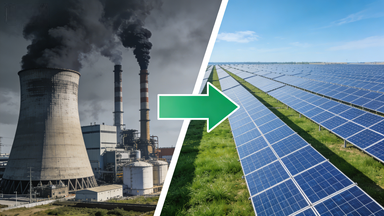
As the global community grapples with climate change, energy security, and rising fossil fuel costs, solar energy has emerged as a beacon of hope in the transition to a cleaner, more sustainable energy system.
pros of solar energy