is solar energy renewable
2025-11-10
Is Solar Energy Renewable? Unpacking the Science, Benefits, and Myths
If you’ve ever wondered about the future of energy—or simply wanted to make more eco-friendly choices at home—you’ve likely asked: Is solar energy renewable? It’s a critical question in a world grappling with climate change, finite fossil fuels, and rising energy costs. The short answer? Yes—solar energy is one of the most abundant and reliable renewable energy sources on the planet. But to truly understand why, we need to dive into what “renewable energy” means, how solar power works, and why it stands out from non-renewable alternatives. Let’s break it all down.

First: What Is a “Renewable Energy” Source?
Before we confirm if solar energy is renewable, let’s define the term. A renewable energy source is one that is naturally replenished at a rate equal to or faster than humans consume it. In other words, it won’t run out—even with widespread use.
Contrast this with non-renewable energy sources like coal, oil, and natural gas. These are formed from the remains of ancient plants and animals, buried and compressed over millions of years. Once we extract and burn them, they’re gone forever. They also release harmful greenhouse gases (like carbon dioxide) that drive global warming.
Renewable sources, by contrast, are infinite (or nearly so) and low-emission. Examples include wind, hydroelectric, geothermal—and yes, solar energy. The key here is “replenishment rate”: the sun’s energy is renewed every single day, and we’ll never “use it up” in a human timescale.
So, Is Solar Energy Renewable? The Science Says Yes
Let’s get to the heart of the question: Is solar energy renewable? The science is clear: absolutely. Here’s why:
1. The Sun’s Energy Is Effectively Infinite (for Us)
The sun has been shining for about 4.6 billion years, and it will continue to do so for another 5 billion years. That’s a timeline far beyond human civilization—meaning, for all practical purposes, the sun’s energy is endless. Every hour, the sun emits more energy onto Earth than the entire global population uses in a year. Even if we scaled up solar power to meet 100% of the world’s energy needs, we’d only be tapping a tiny fraction of the sun’s output. There’s no risk of “running out of sunlight” in our lifetimes, our children’s lifetimes, or even thousands of generations from now.
2. Solar Energy Requires No Depletable Resources to Operate
Once a solar panel is manufactured and installed, it generates electricity using only sunlight—no coal, oil, or natural gas needed. Unlike non-renewable sources, which require constant extraction of finite materials, solar power relies on a free, naturally occurring resource that’s available (in some form) almost everywhere on Earth.
To be clear: manufacturing solar panels does use some resources (like silicon, glass, and metals). But these materials are either abundant (silicon is the second-most common element in Earth’s crust) or recyclable. As solar technology advances, manufacturers are also finding ways to reduce resource use and improve recycling rates—making solar even more sustainable over time.
3. Solar Power Replenishes Itself Daily
Unlike fossil fuels, which take millions of years to form, sunlight is renewed every 24 hours. Even on cloudy days, solar panels can still capture scattered sunlight (though their efficiency dips slightly). And with energy storage solutions (like batteries), we can save excess solar power generated during the day to use at night—ensuring a steady supply without relying on non-renewable backups.
Why Does It Matter That Solar Energy Is Renewable?
The fact that solar energy is renewable isn’t just a fun science fact—it has profound implications for our planet, our economy, and our future. Here’s why it matters:

1. It Fights Climate Change
Non-renewable energy sources (coal, oil, gas) are the biggest drivers of global warming, responsible for over 60% of global greenhouse gas emissions. Solar power, by contrast, produces zero emissions during operation. When we switch to solar, we reduce our reliance on fossil fuels and slow the rate of climate change—protecting ecosystems, reducing extreme weather events, and safeguarding future generations.
2. It Creates Long-Term Energy Security
Fossil fuels are concentrated in a handful of countries, which means energy supplies (and prices) are vulnerable to geopolitical conflicts, trade disputes, or natural disasters. Solar energy, however, is available locally almost everywhere. By investing in solar, countries can reduce their dependence on imported fuels and build more resilient energy systems. Homes and businesses with solar panels also gain energy independence—they’re less affected by power outages or grid price hikes.
3. It’s a Cost-Effective Long-Term Investment
While solar panels have an upfront cost, the “fuel” (sunlight) is free. Once installed, solar systems have very low maintenance costs, and they can generate electricity for 25–30 years (or longer). This means homeowners and businesses can lock in predictable energy costs for decades—unlike fossil fuels, whose prices fluctuate constantly. In many regions, solar power is already cheaper than electricity from coal or natural gas.
4. It Supports Global Equity
In developing countries, millions of people lack access to reliable electricity—often because building power grids to remote areas is expensive. Solar energy, however, can be deployed off-grid (using small panels and batteries), bringing power to villages, schools, and clinics without the need for costly infrastructure. This empowers communities, improves access to education and healthcare, and creates economic opportunities—all while using a renewable resource.

Common Myths About Solar Energy’s “Renewability” (Debunked)
Even though the science is clear that solar energy is renewable, some myths persist. Let’s address them:
Myth 1: “Solar Panels Use Too Many Rare Resources to Be Renewable”
Critics sometimes argue that solar panels rely on rare or finite materials (like lithium for batteries or indium for some panel types). While it’s true that manufacturing uses certain resources, the key difference is scale:
- Silicon (the main material in most solar panels) is extremely abundant—we’ll never run out of it.
- For materials like lithium, recycling is improving: new technologies let us recover lithium from old batteries and reuse it.
- Researchers are also developing “resource-light” solar panels (like perovskite panels, which use cheap, abundant materials) to reduce reliance on rare metals.
Compared to fossil fuels—which are irreplaceable once burned—solar’s resource use is minimal and manageable.
Myth 2: “Solar Energy Isn’t ‘Truly’ Renewable Because It Only Works When the Sun Shines”
Intermittency (solar only working during the day) doesn’t make it non-renewable—it just means we need storage. As battery costs fall, pairing solar with storage is becoming standard. For example, a home with solar panels and a battery can use solar power day and night. Utility-scale solar farms also use large batteries to store excess energy, ensuring a steady supply to the grid. Intermittency is a logistical challenge, not a flaw in solar’s renewability.
Myth 3: “Solar Energy Causes More Harm Than Good During Manufacturing”
While manufacturing solar panels does have an environmental footprint (e.g., energy use, water consumption), it’s tiny compared to the harm caused by fossil fuels. A 2022 study by the International Energy Agency (IEA) found that the “carbon payback period” for a solar panel (the time it takes to offset the emissions from its manufacturing) is just 1–3 years. After that, the panel generates clean, emission-free energy for decades. By contrast, fossil fuels emit carbon every single time they’re burned—with no payback period.
The Future of Solar Energy: Making Renewable Power Even Better
As we’ve established, solar energy is renewable—but that doesn’t mean we can’t make it more efficient, affordable, and accessible. Here’s how the future is shaping up:
1. More Efficient Panels
Scientists are developing solar panels that can capture more sunlight (even on cloudy days) and convert it into electricity more efficiently. For example, “tandem” panels (which combine silicon with other materials) can reach efficiencies of over 30%—up from 15–22% for traditional panels. This means smaller panels can generate more power, reducing the need for land and resources.
2. Better Storage Solutions
Battery technology is advancing rapidly. New “flow batteries” and “solid-state batteries” are cheaper, last longer, and use fewer rare materials than current lithium-ion batteries. This will make solar power reliable 24/7, even in regions with less sunlight.
3. Solar Integration Everywhere
Solar is no longer just for rooftops. Innovations like solar windows (transparent panels that generate power), solar roads (pavements that capture sunlight), and floating solar farms (panels on lakes or oceans) are making it easier to integrate solar into our daily lives—without taking up valuable land.

Final Thoughts: Solar Energy Is Renewable—And It’s Our Future
To circle back to the question we started with: Is solar energy renewable? The answer is a resounding yes. It’s powered by an infinite resource (the sun), requires no depletable fuels to operate, and is naturally replenished every day. More than that, it’s a solution to some of our biggest global challenges—climate change, energy insecurity, and inequality.
Whether you’re a homeowner considering solar panels, a business looking to cut costs, or a concerned citizen wanting to make a difference, solar energy is a choice that benefits you and the planet. As technology advances and adoption grows, solar will only become more accessible and affordable—proving that renewable energy isn’t just a trend, but the future of power.
Do you have more questions about solar energy’s renewability? Or have you already made the switch to solar? Share your thoughts in the comments below—I’d love to hear from you!
solar energy battery storage
energy solar tech
Related Article
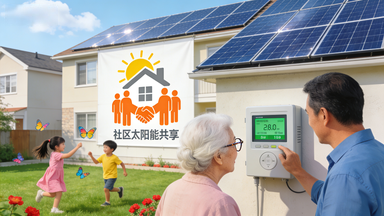
In an era where climate change urgency and energy security concerns dominate global conversations, the shift to renewable energy has moved from a "nice-to-have" to a necessity.
green mountain energy
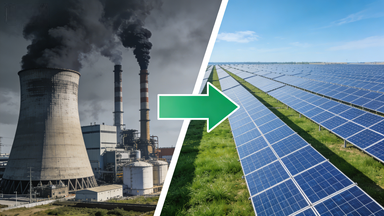
As the global community grapples with climate change, energy security, and rising fossil fuel costs, solar energy has emerged as a beacon of hope in the transition to a cleaner, more sustainable energy system.
pros of solar energy