lifepo4 batteries
2026-01-04

LiFePO4 Batteries: The Ultimate Guide to Safe, Long-Lasting Energy Storage
In the rapidly evolving world of rechargeable battery technology, Lithium Iron Phosphate (LiFePO4) batteries have emerged as a game-changer, redefining standards for safety, durability, and reliability. Unlike traditional lead-acid batteries or even other lithium-ion variants (such as lithium-cobalt oxide), LiFePO4 batteries offer a unique combination of performance benefits that make them ideal for a wide range of applications—from residential solar storage and electric vehicles to industrial equipment and portable power tools. Whether you’re an eco-conscious homeowner looking to upgrade your energy storage system, a business owner seeking reliable power for critical operations, or a tech enthusiast curious about the future of battery technology, this blog will take you through everything you need to know about LiFePO4 batteries and why they’re becoming the preferred choice for discerning users worldwide.


What Are LiFePO4 Batteries, and What Makes Them Unique?
LiFePO4 batteries are a type of lithium-ion battery that uses lithium iron phosphate as the cathode material. This chemical composition is the key to their distinct advantages over other battery technologies. Unlike lithium-cobalt oxide (LCO) or lithium-nickel-manganese-cobalt (NMC) batteries—common in consumer electronics and some electric vehicles—LiFePO4 batteries prioritize safety and longevity without compromising on performance. Let’s break down the core characteristics that set them apart:
-
Inherent Safety: Safety is the most standout feature of LiFePO4 batteries. The phosphate-based cathode is chemically stable, making these batteries highly resistant to thermal runaway—a dangerous reaction that can cause overheating, fires, or explosions in other lithium-ion batteries. Even when subjected to extreme conditions like overcharging, short-circuiting, physical impact, or high temperatures, LiFePO4 batteries maintain their structural integrity. This makes them an excellent choice for applications where safety is non-negotiable, such as indoor energy storage or electric vehicles used by families.
-
Exceptional Longevity: LiFePO4 batteries boast an impressive cycle life that far outperforms lead-acid and other lithium-ion batteries. A high-quality LiFePO4 battery can endure 3,000 to 5,000 charge-discharge cycles (when discharged to 80% depth of discharge, or DoD) before its capacity drops to 80% of its original value. In contrast, lead-acid batteries typically only last 300 to 500 cycles, and NMC lithium-ion batteries last around 1,000 to 2,000 cycles. For users who rely on their batteries daily—such as off-grid homeowners or fleet operators—this extended lifespan translates to fewer replacements, lower long-term costs, and less environmental waste.
-
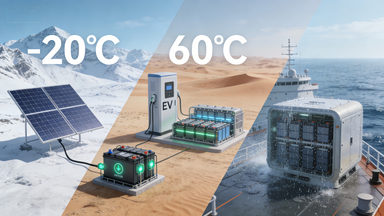
Superior High-Temperature Performance: Unlike many battery technologies that degrade rapidly in high temperatures, LiFePO4 batteries maintain stable performance even in extreme heat. They can operate efficiently in temperatures ranging from -20°C to 60°C (-4°F to 140°F), with minimal capacity loss. This makes them ideal for outdoor applications in hot climates, such as solar energy storage systems installed on rooftops or electric vehicles used in desert regions. In contrast, lead-acid batteries lose significant capacity above 35°C (95°F), and other lithium-ion batteries may suffer permanent damage at high temperatures.
-
High Energy Density & Lightweight Design: While LiFePO4 batteries have a slightly lower energy density than NMC lithium-ion batteries, they still offer a far higher energy density than lead-acid batteries. This means they can store more energy in a smaller, lighter form factor. For example, a 100Ah LiFePO4 battery weighs approximately 12 to 15kg, while a lead-acid battery of the same capacity weighs 25 to 30kg. This lightweight advantage is crucial for portable applications, such as RV batteries, marine batteries, or portable power stations, where weight and space are at a premium.
-
Environmentally Friendly: LiFePO4 batteries are more eco-friendly than lead-acid batteries (which contain toxic lead) and some other lithium-ion batteries (which use rare or toxic metals like cobalt). They are free of heavy metals and toxic substances, making them easier to recycle. Additionally, their long lifespan reduces the number of batteries that end up in landfills, further minimizing their environmental impact. For eco-conscious consumers and businesses, this is a key advantage that aligns with sustainability goals.
Common Applications of LiFePO4 Batteries
The versatility of LiFePO4 batteries—combined with their safety, longevity, and performance—makes them suitable for a diverse range of applications across residential, commercial, industrial, and recreational sectors. Here are some of the most popular uses:
Residential & Commercial Solar Energy Storage
LiFePO4 batteries are the top choice for off-grid and grid-tied solar energy storage systems. They can efficiently store excess energy generated by solar panels during the day, which can then be used at night or during power outages. Their long cycle life ensures that homeowners and businesses get the most out of their solar investment, as the battery will last for decades with proper maintenance. Additionally, their safety features make them safe to install indoors (such as in basements or garages), and their high-temperature performance ensures consistent operation even in sunny, hot conditions.
Electric Vehicles (EVs) & E-Mobility
While many consumer EVs use NMC lithium-ion batteries for their higher energy density (which enables longer range), LiFePO4 batteries are widely used in electric buses, delivery vans, forklifts, and low-speed electric vehicles (LSEVs). Their safety and durability are critical for these applications, as they are subjected to heavy daily use and frequent charging. LiFePO4 batteries also offer faster charging times compared to lead-acid batteries, reducing downtime for fleet operators. Additionally, their long lifespan makes them a cost-effective choice for commercial fleets, which typically have high mileage and usage requirements.
RVs, Boats, & Marine Applications
RV and boat owners often rely on batteries for power when off-grid, and LiFePO4 batteries are an excellent upgrade from traditional lead-acid batteries. Their lightweight design reduces the overall weight of the vehicle or boat, improving fuel efficiency (for gas-powered RVs/boats) or range (for electric ones). Their long cycle life means they won’t need to be replaced as frequently, even with regular use. Additionally, their resistance to vibration and high-temperature performance make them suitable for the harsh conditions often encountered in marine and RV environments.
Industrial & Backup Power
LiFePO4 batteries are used in a wide range of industrial applications, including backup power systems for data centers, hospitals, and manufacturing facilities. Their reliability and long lifespan ensure that critical operations can continue uninterrupted during power outages. They are also used in industrial equipment such as forklifts, pallet jacks, and construction tools, where their durability and fast charging capabilities reduce downtime and improve productivity. Unlike lead-acid batteries, LiFePO4 batteries don’t require regular maintenance (such as adding water), making them easier to manage in industrial settings.
Portable Power Stations & Consumer Electronics
Portable power stations (used for camping, tailgating, or emergency power) are increasingly using LiFePO4 batteries due to their safety and long lifespan. Consumers appreciate that these batteries can hold their charge for months (thanks to a low self-discharge rate of around 1-2% per month) and can be recharged hundreds of times without significant capacity loss. While LiFePO4 batteries are less common in small consumer electronics (due to their slightly lower energy density), they are used in high-performance devices such as electric bikes and scooters, where safety and durability are more important than ultra-compact size.

How to Choose the Right LiFePO4 Battery
With so many LiFePO4 batteries available on the market, it’s important to choose the right one for your specific needs. Here are the key factors to consider:
-
Capacity (Ah Rating): Capacity, measured in ampere-hours (Ah), indicates how much energy the battery can store. A higher Ah rating means longer runtime for your device or system. For example, a 200Ah LiFePO4 battery will provide more power for your solar storage system than a 100Ah battery. When choosing capacity, consider your daily energy usage (for residential storage) or runtime requirements (for portable devices).
-
Voltage: LiFePO4 batteries are available in various voltages, including 12V, 24V, 36V, and 48V. The voltage you choose depends on your application: 12V batteries are common for RVs, boats, and portable power stations; 24V and 48V batteries are used for larger solar storage systems and industrial equipment; 36V batteries are popular for electric bikes and scooters. Ensure the battery voltage matches the requirements of your device or system.
-
Cell Quality & Brand Reputation: The quality of the LiFePO4 cells used in the battery directly impacts performance and lifespan. Look for batteries made with high-quality cells from reputable manufacturers (such as CATL, BYD, or EVE Energy). Avoid cheap, no-name batteries, as they may use low-quality cells that are prone to failure. Additionally, choose a brand with a good reputation for reliability and customer support.
-
Battery Management System (BMS): A high-quality BMS is essential for LiFePO4 batteries. The BMS monitors the battery’s voltage, current, and temperature, and provides protection against overcharging, over-discharging, short-circuiting, and overheating. A good BMS will also balance the cells in the battery pack, ensuring that each cell charges and discharges evenly, which extends the battery’s lifespan. When choosing a LiFePO4 battery, check that it has a robust BMS from a reputable supplier.
-
Compatibility: Ensure the battery is compatible with your device or system. This includes checking the connector type (the plug must match your device’s port) and physical dimensions (the battery must fit in your device’s battery compartment). For solar storage systems, ensure the battery is compatible with your inverter.
-
Warranty: A long warranty is a sign of the manufacturer’s confidence in their product. Most high-quality LiFePO4 batteries come with a warranty of 5 to 10 years, or a certain number of cycles (e.g., 3,000 cycles). Be sure to read the warranty terms carefully to understand what’s covered (e.g., defects in materials, premature capacity loss) and what’s not.
Maintenance Tips to Maximize LiFePO4 Battery Lifespan
LiFePO4 batteries require minimal maintenance compared to lead-acid batteries, but following these simple tips will help you maximize their lifespan and performance:
-
Use a Compatible Charger: Always use a charger that is specifically designed for LiFePO4 batteries. Using a charger for lead-acid or other lithium-ion batteries can damage the cells or reduce the battery’s lifespan. Look for a charger with a constant current/constant voltage (CC/CV) charging profile, which is optimal for LiFePO4 batteries.
-
Avoid Over-Discharging: While LiFePO4 batteries have a lower risk of damage from over-discharging than other lithium-ion batteries, it’s still best to avoid discharging them below 20% capacity (DoD of 80%). Most BMS systems will shut off the battery when it reaches a low voltage to prevent over-discharging, but it’s good practice to recharge the battery before it gets to this point.
-
Store Properly: When storing the battery for an extended period (more than a month), store it in a cool, dry place with a charge level of 40-60%. Avoid storing it in extreme temperatures (below -20°C or above 60°C) or direct sunlight, as this can damage the cells.
-
Keep Terminals Clean: Regularly inspect the battery’s terminals (metal contacts) and clean them if they become dirty or corroded. Corrosion can interfere with the battery’s connection to your device, causing poor performance. Use a dry, soft cloth to wipe away dirt and debris—avoid using water or harsh chemicals.
-
Avoid Physical Damage: While LiFePO4 batteries are more durable than other lithium-ion batteries, they can still be damaged by heavy impact or vibration. Handle the battery with care, and avoid dropping or hitting it. For mobile applications (e.g., RVs, boats), ensure the battery is securely mounted to reduce vibration.
-
Are LiFePO4 Batteries Worth the Investment?
One of the most common questions about LiFePO4 batteries is whether their higher upfront cost is justified. It’s true that LiFePO4 batteries are more expensive than lead-acid batteries (often 2-3 times more) and slightly more expensive than NMC lithium-ion batteries. However, when you consider their long lifespan, superior safety, and lower maintenance costs, they are almost always a worthwhile investment—especially for applications where reliability and longevity are critical.
For example, a lead-acid battery for a solar storage system may cost $500 and last 3-5 years, while a LiFePO4 battery may cost $1,500 but last 10-15 years. Over the long term, the LiFePO4 battery is cheaper because it requires fewer replacements. Additionally, LiFePO4 batteries offer better performance (higher energy density, faster charging) and are safer, which can save you money on potential damage or downtime.
For commercial users (such as fleet operators or industrial facilities), the cost savings are even more significant. Reduced downtime from faster charging and fewer battery replacements, combined with lower maintenance costs, can improve productivity and bottom-line profits. For eco-conscious consumers, the environmental benefits of LiFePO4 batteries (no toxic metals, longer lifespan) are an added bonus that justifies the higher upfront cost.
Conclusion
LiFePO4 batteries have established themselves as a superior energy storage solution, offering unmatched safety, longevity, and performance compared to traditional lead-acid and other lithium-ion batteries. Their versatility makes them suitable for a wide range of applications, from residential solar storage and RVs to industrial backup power and electric fleets. While they may have a higher upfront cost, their long lifespan, low maintenance requirements, and environmental benefits make them a cost-effective investment in the long run.
Whether you’re looking to upgrade your solar energy storage system, power your RV or boat, or equip your business with reliable backup power, LiFePO4 batteries are an excellent choice. By choosing the right battery for your needs and following proper maintenance practices, you can enjoy reliable, safe power for decades to come. As battery technology continues to evolve, LiFePO4 batteries are sure to remain at the forefront of the energy storage revolution.

lifepo4 lifepo4
baterai lifepo4
Related Article
In an era where climate change urgency and energy security concerns dominate global conversations, the shift to renewable energy has moved from a "nice-to-have" to a necessity.
green mountain energy
As the global community grapples with climate change, energy security, and rising fossil fuel costs, solar energy has emerged as a beacon of hope in the transition to a cleaner, more sustainable energy system.
pros of solar energy