lifepo4 battery 12v
2025-12-31

12V LiFePO4 Battery: The Ultimate Reliable Power Solution for Your Devices
In the realm of rechargeable batteries, the 12V LiFePO4 (lithium iron phosphate) battery has emerged as a game-changer, blending exceptional safety, long lifespan, and consistent performance. Unlike traditional lead-acid batteries or even other lithium-ion variants, this battery type is tailored to meet the demands of both everyday consumers and professional users who prioritize reliability and durability. From powering RVs and marine equipment to supporting solar backup systems and portable tools, the 12V LiFePO4 battery has become a staple in countless applications. Whether you’re looking to upgrade your existing power source or explore a more efficient energy storage option, this blog will unpack everything you need to know about the 12V LiFePO4 battery and why it’s worth your investment.


What Makes 12V LiFePO4 Battery Superior to Other 12V Batteries?
The 12V LiFePO4 battery stands out from conventional 12V batteries (such as lead-acid, nickel-cadmium, or even other lithium-ion types) due to its unique set of advantages. Let’s break down the key features that make it a top choice for power users:
1. Unmatched Safety Profile
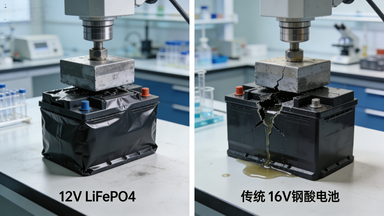
Safety is one of the most significant selling points of LiFePO4 technology. Unlike lithium-cobalt or lithium-manganese batteries, LiFePO4 cells have an inherently stable chemical structure. This stability eliminates the risk of thermal runaway—a dangerous reaction that can cause overheating, fires, or explosions—even when the battery is punctured, short-circuited, or overcharged. For 12V applications like RVs, boats, or home backup systems, where battery safety is non-negotiable, this feature provides unparalleled peace of mind. Additionally, 12V LiFePO4 batteries contain no toxic heavy metals (such as lead in lead-acid batteries), making them more environmentally friendly.
2. Exceptional Longevity & Cycle Life
When it comes to lifespan, the 12V LiFePO4 battery outperforms most alternatives by a wide margin. A high-quality 12V LiFePO4 battery can endure 2000–3000 charge-discharge cycles (to 80% capacity retention), compared to just 300–500 cycles for a typical 12V lead-acid battery. This means that a 12V LiFePO4 battery can last 4–6 times longer than a lead-acid equivalent. For users who rely on their batteries daily (e.g., full-time RVers, solar system owners), this translates to fewer replacements, lower long-term costs, and less environmental waste. Moreover, LiFePO4 batteries have an extremely low self-discharge rate (only 1–2% per month), so they can hold their charge for months without use—perfect for seasonal equipment like snow blowers or camping gear.
3. High Energy Density & Lightweight Design
Despite its compact size, the 12V LiFePO4 battery boasts a high energy density, meaning it can store more energy in a lighter package. A 12V 10Ah LiFePO4 battery typically weighs only 2–3kg, while a lead-acid battery of the same capacity weighs 7–8kg. This lightweight advantage is a game-changer for portable applications: imagine carrying a 12V LiFePO4-powered portable generator for camping, or installing a battery bank in an RV where every pound counts. The reduced weight also improves efficiency for mobile devices, as less power is wasted moving the battery itself.
4. Wide Temperature Tolerance & Consistent Performance
12V LiFePO4 batteries perform reliably across a broad temperature range, from -20°C (-4°F) to 60°C (140°F). Unlike lead-acid batteries, which lose significant capacity in cold weather (often dropping to 50% or less at 0°C), LiFePO4 batteries maintain stable output even in low temperatures. This makes them ideal for outdoor applications in harsh climates, such as powering remote sensors in winter or marine equipment in hot summer months. Additionally, they deliver a steady voltage throughout the discharge cycle, ensuring that your devices (e.g., cameras, medical equipment, or solar inverters) receive consistent power until the battery is nearly depleted.
Common Applications of 12V LiFePO4 Batteries
The versatility of the 12V LiFePO4 battery makes it suitable for a diverse range of applications, spanning consumer, professional, and industrial use cases. Here are some of the most popular and practical uses:
-
RV & Camping Equipment: Full-time RVers and campers rely on 12V LiFePO4 batteries to power essential devices like refrigerators, lighting, water pumps, and entertainment systems. Their lightweight design saves space and reduces vehicle weight, while their long cycle life and low self-discharge rate eliminate the need for frequent recharging—even during extended trips off the grid.
-
Marine Electronics: Boats and yachts use 12V batteries to power navigation systems, fish finders, bilge pumps, and cabin lights. The 12V LiFePO4 battery’s resistance to corrosion (unlike lead-acid batteries) and ability to perform in humid environments make it ideal for marine use. Its safety profile is also critical for enclosed spaces on boats, where fire risks are a major concern.
-
Solar Backup & Off-Grid Systems: Small-scale solar setups (e.g., rooftop solar for homes, portable solar panels for camping) often use 12V LiFePO4 batteries to store energy. Their long cycle life ensures that they can withstand daily charging from solar panels for years, while their high efficiency means less energy is lost during storage. They’re also a reliable choice for home backup systems, providing power for essential appliances (e.g., fridges, routers, lights) during blackouts.
-
Portable Electronics & Tools: 12V LiFePO4 batteries power a range of portable devices, including cordless drills, portable generators, cameras, drones, and medical equipment (e.g., portable oxygen concentrators). Their lightweight design makes them easy to carry, while their consistent voltage ensures that tools and electronics perform at their best. For medical devices, the battery’s reliability and long lifespan are crucial for uninterrupted operation.
-
Automotive & ATV/UTV Accessories: Many off-road vehicles (ATVs, UTVs, dirt bikes) and classic cars use 12V LiFePO4 batteries to power accessories like lights, radios, and GPS systems. Their compact size fits into tight battery compartments, and their resistance to vibration (a common issue in off-road vehicles) ensures durability. They also require less maintenance than lead-acid batteries, which is a plus for vehicle owners who don’t want to regularly check electrolyte levels.
-
Tips for Choosing & Maintaining Your 12V LiFePO4 Battery
To get the most out of your 12V LiFePO4 battery, it’s important to choose the right model for your needs and follow proper maintenance practices. Below are key considerations for buying and caring for your battery:
Key Factors to Consider When Buying
-
Capacity (Ah Rating): Capacity, measured in ampere-hours (Ah), indicates how much energy the battery can store. A higher Ah rating means longer runtime for your device. For example, a 12V 20Ah LiFePO4 battery will power a 12V fridge (which uses ~50Wh per hour) for about 4–5 hours, while a 10Ah battery will last 2–2.5 hours. Choose a capacity based on your usage: if you need extended runtime without recharging, opt for a higher Ah rating.
-
Cell Quality & Brand Reputation: The quality of the LiFePO4 cells directly impacts performance and lifespan. Look for batteries made with high-grade cells from reputable brands like Samsung, LG, or CATL. Avoid cheap, unbranded batteries—they may use low-quality cells that are prone to failure or have shorter cycle lives. Check customer reviews and brand certifications (e.g., CE, UL) to ensure reliability.
-
Safety Features: While LiFePO4 technology is inherently safe, look for batteries with built-in protection circuits (BMS, or Battery Management System). A good BMS provides overcharge protection, over-discharge protection, short-circuit protection, and temperature protection. This not only safeguards the battery and your devices but also extends the battery’s lifespan by preventing damage from extreme conditions.
-
Compatibility: Ensure the battery is compatible with your device. Check three key aspects: voltage (must be 12V), connector type (the plug must match your device’s port), and physical dimensions (the battery must fit in your device’s battery compartment). Using an incompatible battery can damage your device or the battery itself.
-
Warranty: A solid warranty is a sign of the manufacturer’s confidence in their product. Look for 12V LiFePO4 batteries with a warranty of 2–5 years. This covers defects in materials or workmanship, and some warranties even cover premature capacity loss. Read the warranty terms carefully to understand what’s covered (e.g., accidental damage may not be included).
Maintenance Tips to Maximize Lifespan
-
Use a Compatible Charger: Always charge your 12V LiFePO4 battery with a charger specifically designed for LiFePO4 technology. Do not use a lead-acid charger—lead-acid chargers deliver a higher voltage, which can damage the LiFePO4 battery’s cells. A good LiFePO4 charger will have a constant current/constant voltage (CC/CV) charging profile and will stop charging once the battery is full.
-
Avoid Extreme Temperatures: While 12V LiFePO4 batteries tolerate a wide temperature range, avoid charging or using them in extreme heat (above 60°C) or cold (below -20°C) for extended periods. Extreme temperatures can reduce capacity and shorten lifespan. Store the battery in a cool, dry place (10°C–25°C is ideal) when not in use.
-
Don’t Over-Discharge or Over-Charge: Even with a BMS, it’s best to avoid fully discharging the battery (aim to recharge when capacity drops to 20–30%) and don’t leave it plugged in after it’s fully charged. Over-discharging can stress the cells, while over-charging can cause unnecessary heat buildup.
-
Keep Terminals Clean: Regularly inspect the battery’s terminals (metal contacts) and clean them if they’re dirty or corroded. Corrosion can interfere with the battery’s connection to your device, causing poor performance. Use a dry, soft cloth to wipe away dirt—never use water or harsh chemicals, as they can damage the battery’s casing.
-
Store at Optimal Charge Level: If you’re storing the battery for an extended period (more than a month), charge it to 40–60% capacity first. Storing a fully charged or fully discharged battery for long periods can damage the cells and reduce lifespan.
Is a 12V LiFePO4 Battery Worth the Investment?
One of the most common questions about 12V LiFePO4 batteries is whether their higher upfront cost is justified. It’s true that a 12V LiFePO4 battery is more expensive than a lead-acid battery (often 2–3 times the price). However, when you consider its long lifespan, low maintenance costs, and superior performance, it’s almost always a cost-effective investment in the long run.
For example, a 12V 10Ah lead-acid battery costs around $50 and lasts 2–3 years (300–500 cycles). A 12V 10Ah LiFePO4 battery costs around $150 but lasts 8–10 years (2000+ cycles). Over 10 years, you’d need to buy 3–4 lead-acid batteries (total cost: $150–$200), which is more than the cost of one LiFePO4 battery. Add in the maintenance costs of lead-acid batteries (e.g., checking electrolyte levels, replacing damaged cells) and the LiFePO4 battery becomes even more economical.
Beyond cost, the 12V LiFePO4 battery’s safety, reliability, and environmental benefits are invaluable. For users who rely on their batteries for critical applications (e.g., medical equipment, home backup), the peace of mind that comes with a stable, long-lasting power source is worth every penny. For eco-conscious consumers, the battery’s lack of toxic metals and long lifespan reduce its environmental impact.

Conclusion
The 12V LiFePO4 battery has redefined what we can expect from a 12V power source—offering unmatched safety, exceptional longevity, lightweight design, and consistent performance. Its versatility makes it suitable for everything from camping gear and RVs to solar systems and medical equipment, making it a go-to choice for both casual and professional users.
By choosing the right 12V LiFePO4 battery (based on capacity, cell quality, and compatibility) and following proper maintenance practices, you can enjoy reliable power for years to come. While the upfront cost may be higher than traditional batteries, the long-term savings, safety, and convenience make it a worthwhile investment.
Whether you’re upgrading your RV’s power system, building a solar backup setup, or looking for a reliable battery for your portable tools, the 12V LiFePO4 battery is the ultimate power solution that won’t let you down.
100ah lifepo4 battery
lifepo4 rv battery
Related Article

In an era where climate change urgency and energy security concerns dominate global conversations, the shift to renewable energy has moved from a "nice-to-have" to a necessity.
green mountain energy

As the global community grapples with climate change, energy security, and rising fossil fuel costs, solar energy has emerged as a beacon of hope in the transition to a cleaner, more sustainable energy system.
pros of solar energy