lifepo4 battery
2025-11-13
Everything You Need to Know About LiFePO4 Batteries: The Future of Rechargeable Power
In a world increasingly dependent on portable electronics, renewable energy systems, and electric vehicles (EVs), the search for reliable, long-lasting, and safe batteries has never been more critical. Enter LiFePO4 batteries—short for Lithium Iron Phosphate batteries—a game-changer in the rechargeable battery space. Unlike traditional lithium-ion batteries (such as LiCoO2 or LiMn2O4), LiFePO4 batteries offer unique advantages that make them ideal for everything from RVs and solar setups to power tools and everyday gadgets. If you’re curious about what makes these batteries stand out, how they work, or if they’re right for your needs, this guide will break it all down.

First, let’s start with the basics. LiFePO4 is a type of lithium-ion battery that uses lithium iron phosphate as its cathode material (the positive electrode). This differs from other lithium-ion batteries, which often use cobalt, nickel, or manganese in their cathodes. The anode (negative electrode) in LiFePO4 batteries is typically made of graphite, similar to many other lithium-ion designs.
What sets LiFePO4 apart is its crystal structure: the phosphate-based cathode creates a stable framework that resists thermal runaway (a dangerous overheating reaction) and prevents lithium dendrite formation (tiny, needle-like structures that can cause short circuits). This structure is the foundation of the battery’s safety, longevity, and performance—traits that have made it a top choice for both consumer and industrial applications.
Why Choose LiFePO4? Key Advantages Over Traditional Batteries
If you’re debating between a LiFePO4 battery and other options (like lead-acid or standard lithium-ion), here’s why LiFePO4 often comes out on top:
1. Unmatched Safety
Safety is the biggest selling point of LiFePO4 batteries. Unlike cobalt-based lithium-ion batteries (which can catch fire or explode if damaged, overcharged, or exposed to high temperatures), LiFePO4 batteries have an extremely low risk of thermal runaway. The phosphate cathode is non-toxic and chemically stable, even in extreme conditions—making them ideal for use in homes (solar storage), vehicles, or enclosed spaces (like RV cabinets).
2. Exceptional Longevity
LiFePO4 batteries have an incredibly long cycle life. A “cycle” refers to one full charge and discharge (e.g., from 0% to 100% and back to 0%). While lead-acid batteries typically last 300–500 cycles, and standard lithium-ion batteries last 500–1,000 cycles, LiFePO4 batteries can easily reach 2,000–5,000 cycles—and some high-quality models even exceed 10,000 cycles. This means a LiFePO4 battery could last 5–10 years (or more) with regular use, compared to just 1–3 years for lead-acid.

3. High Energy Density & Lightweight Design
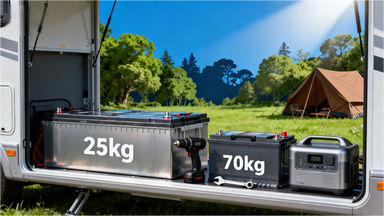
LiFePO4 batteries strike a perfect balance between energy density (how much power they store) and weight. They’re lighter than lead-acid batteries (up to 70% lighter!) while still delivering ample power. For example, a 12V LiFePO4 battery with 100Ah capacity weighs around 25–30 pounds, whereas a comparable lead-acid battery weighs 60–70 pounds. This makes them ideal for portable applications like camping gear, drones, or electric scooters—where weight matters.
4. Wide Temperature Tolerance
Unlike many batteries that struggle in extreme heat or cold, LiFePO4 batteries perform reliably across a broad temperature range. Most models work well from -4°F (-20°C) to 140°F (60°C)—and some are engineered to handle even colder temperatures (down to -40°F/-40°C) with minimal performance loss. This makes them suitable for outdoor use, such as solar systems in cold climates or RVs traveling through hot deserts.
5. No Memory Effect
Older battery technologies (like nickel-cadmium, or NiCd) suffer from the “memory effect”—a phenomenon where the battery “forgets” its full capacity if it’s not fully discharged before recharging. LiFePO4 batteries have no memory effect, meaning you can charge them at any time (even if they’re only 50% discharged) without reducing their long-term capacity. This flexibility makes them easier to use in daily life—no more waiting for a full discharge before plugging in.
6. Fast Charging Capabilities
Most LiFePO4 batteries support fast charging, allowing you to top them up quickly. Many models can charge to 80% capacity in just 1–2 hours (when using a compatible fast charger), and 100% in 3–4 hours. This is a huge advantage for applications like electric vehicles or power tools, where downtime needs to be minimized.

Common Uses for LiFePO4 Batteries
LiFePO4’s versatility makes it suitable for a wide range of applications. Here are some of the most popular uses:
- Renewable Energy Storage: Solar panel systems and wind turbines rely on batteries to store excess energy for use at night or on cloudy days. LiFePO4’s long cycle life and safety make it perfect for this—many homeowners and businesses choose it for off-grid or grid-tied solar setups.
- Recreational Vehicles (RVs) & Boats: RVs and boats need reliable power for lights, appliances, and electronics. LiFePO4’s lightweight design and long lifespan make it a better choice than lead-acid, which can be bulky and require frequent replacement.
- Electric Vehicles (EVs) & E-Mobility: While Tesla and other EV makers still use nickel-cobalt-aluminum (NCA) batteries, LiFePO4 is gaining traction in budget EVs (like some BYD models) and small e-vehicles (electric scooters, golf carts, and hoverboards) due to its safety and cost-effectiveness.
- Power Tools: Cordless drills, saws, and other power tools demand batteries that can handle frequent charging and heavy use. LiFePO4’s fast charging and long cycle life make it a favorite among professionals.
- Portable Electronics: Some high-end gadgets (like premium flashlights, portable speakers, and camping lanterns) use LiFePO4 batteries for their reliability and long runtime.
- Backup Power Systems: Home or office backup generators often pair with LiFePO4 batteries to provide emergency power during outages. Their stability ensures they’re safe to use indoors.
How to Choose the Right LiFePO4 Battery: Key Factors to Consider
Not all LiFePO4 batteries are created equal. When shopping for one, keep these factors in mind to ensure you get the best value:
1. Capacity (Ah or Wh)
Capacity measures how much energy the battery can store. It’s usually listed in ampere-hours (Ah) (for 12V batteries) or watt-hours (Wh) (for higher voltages). To find the right capacity:
- For small devices (e.g., a camping lantern), a 12V 10Ah battery (120Wh) may suffice.
- For RVs or solar storage, a 12V 100Ah (1,200Wh) or 24V 200Ah (4,800Wh) battery is more common.
- Calculate your power needs: Multiply the wattage of your device by the hours you use it daily. For example, a 50W fridge used for 8 hours a day needs 400Wh of energy—so a 1,200Wh battery would power it for 3 days (minus efficiency losses).
2. Voltage
LiFePO4 batteries come in various voltages, including 12V, 24V, 36V, and 48V. Choose a voltage that matches your device or system. For example:
- 12V: Most small electronics, RVs, and solar setups.
- 24V or 48V: Larger solar systems, electric vehicles, or industrial equipment.
3. Brand & Quality
Stick to reputable brands to avoid low-quality, unsafe batteries. Top LiFePO4 brands include Battle Born Batteries, Jackery, Renogy, Victron Energy, and BYD. Look for batteries with BMS (Battery Management System)—a built-in circuit that protects the battery from overcharging, over-discharging, short circuits, and overheating. A good BMS extends the battery’s life and ensures safety.
4. Price
LiFePO4 batteries are more expensive upfront than lead-acid (e.g., a 12V 100Ah LiFePO4 battery costs \(200–\)400, while a lead-acid equivalent costs \(100–\)150). However, their long lifespan means they’re more cost-effective in the long run—you’ll replace a lead-acid battery 3–4 times before needing to replace a LiFePO4 one.
5. Warranty
A strong warranty is a sign of quality. Most premium LiFePO4 batteries come with a 5–10 year warranty or a cycle-life guarantee (e.g., “10-year warranty or 5,000 cycles, whichever comes first”). Avoid batteries with no warranty or short warranties (less than 2 years).

Tips for Maintaining Your LiFePO4 Battery
To maximize the lifespan of your LiFePO4 battery, follow these simple maintenance tips:
- Charge with a compatible charger: Use a charger designed for LiFePO4 batteries—using a lead-acid or standard lithium-ion charger can damage the battery or reduce its life.
- Avoid deep discharges (when possible): While LiFePO4 batteries can handle deep discharges (down to 20% capacity), keeping them above 20% will extend their cycle life. Aim to recharge when the battery hits 30–50%.
- Store properly: If you’re not using the battery for an extended period, store it at 50% capacity in a cool, dry place (between 50°F/10°C and 77°F/25°C). Avoid storing it fully charged or fully discharged.
- Keep it clean: Wipe the battery terminals with a dry cloth occasionally to remove dust or corrosion. This ensures good electrical contact.
- Monitor with a BMS: If your battery has a BMS, check its status regularly (some BMS systems have apps or LED indicators) to catch any issues early.
Final Thoughts: Is LiFePO4 Right for You?
LiFePO4 batteries aren’t the cheapest option upfront, but their safety, longevity, and performance make them a smart investment for anyone who needs reliable, long-lasting power. Whether you’re building a solar system, upgrading your RV’s battery bank, or looking for a durable power tool battery, LiFePO4 is likely the best choice.
As technology advances, LiFePO4 batteries are becoming more affordable—and their popularity is only growing. If you’re tired of replacing lead-acid batteries every few years or worried about the safety of standard lithium-ion, it’s time to make the switch to LiFePO4.
Have questions about choosing a LiFePO4 battery for your specific project? Drop a comment below—I’d be happy to help you find the perfect fit!
lifepo4 lithium battery
what is a lithium battery
Related Article
In an era where climate change urgency and energy security concerns dominate global conversations, the shift to renewable energy has moved from a "nice-to-have" to a necessity.
green mountain energy
As the global community grapples with climate change, energy security, and rising fossil fuel costs, solar energy has emerged as a beacon of hope in the transition to a cleaner, more sustainable energy system.
pros of solar energy