lifepo4 lifepo4
2026-01-05
LiFePO4 Batteries: The Safe, Long-Lasting Power Solution for Modern Needs
In the ever-evolving world of rechargeable battery technology, LiFePO4 (Lithium Iron Phosphate) batteries have emerged as a game-changer, redefining expectations for safety, durability, and performance. Unlike traditional lithium-ion batteries or lead-acid alternatives, LiFePO4 batteries leverage a unique cathode material that grants them unparalleled advantages—making them the preferred choice for applications ranging from residential energy storage to electric vehicles (EVs) and industrial equipment. Whether you’re an eco-conscious homeowner looking to upgrade your solar storage system, a business owner seeking reliable power for heavy-duty tools, or an EV enthusiast prioritizing battery longevity, understanding LiFePO4’s capabilities is key to making informed power decisions. This blog dives deep into what makes LiFePO4 batteries stand out, their most impactful applications, and how to maximize their value.
What Is LiFePO4, and Why Does It Matter?
LiFePO4, short for Lithium Iron Phosphate, is a type of lithium-ion battery chemistry distinguished by its iron phosphate cathode. This core material difference is what sets LiFePO4 apart from other lithium-ion variants (such as lithium cobalt oxide or lithium manganese oxide) and traditional battery technologies. While all rechargeable batteries store and release energy through electrochemical reactions, LiFePO4’s structure enables slower, more stable reactions—translating to superior safety and longer lifespan. For consumers and businesses alike, this means a battery that’s less prone to failure, requires fewer replacements, and delivers consistent performance over time. In an era where reliability and sustainability are top priorities, LiFePO4 has quickly moved from a niche option to a mainstream solution.
The Unmatched Advantages of LiFePO4 Batteries
LiFePO4 batteries aren’t just another battery option—they offer a suite of benefits that make them superior for most high-demand and long-term applications. Let’s break down the key advantages that have made LiFePO4 a top choice across industries:
1. Superior Safety: No Compromise on Protection
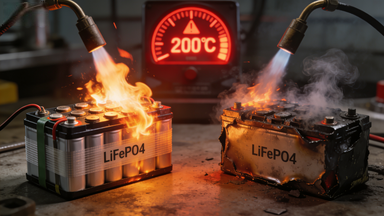
Safety is the most standout feature of LiFePO4 batteries. Unlike other lithium-ion batteries that are prone to thermal runaway (a dangerous chain reaction leading to overheating, fire, or explosion) when damaged, overcharged, or exposed to extreme temperatures, LiFePO4’s stable chemical structure virtually eliminates this risk. The iron phosphate cathode is non-toxic and has a high thermal decomposition temperature (over 500°C), meaning LiFePO4 batteries can withstand harsh conditions—such as short circuits, physical impacts, or overcharging—without catastrophic failure. This makes LiFePO4 ideal for applications where safety is non-negotiable, like residential storage systems, EVs, and medical equipment. For homeowners, this means peace of mind knowing their solar battery won’t pose a fire hazard; for businesses, it reduces the risk of downtime or accidents caused by battery failure.
2. Exceptional Longevity: More Cycles, Less Waste
Another major advantage of LiFePO4 batteries is their impressive cycle life. A “cycle” refers to one full charge and discharge of the battery, and LiFePO4 batteries typically offer 3,000 to 5,000 charge-discharge cycles before their capacity drops to 80% of their original value—some high-quality LiFePO4 models even exceed 8,000 cycles. Compare this to traditional lead-acid batteries (300-500 cycles) or standard lithium-ion batteries (1,000-2,000 cycles), and the difference is stark. This extended lifespan means LiFePO4 batteries last 3-10 times longer than alternatives, drastically reducing the frequency of replacements. For users, this translates to lower long-term costs (fewer batteries to buy) and less environmental waste—aligning with sustainable living goals. For example, a LiFePO4 solar battery installed in a home could last 10-15 years, while a lead-acid equivalent would need to be replaced every 2-3 years.
3. High Temperature Stability: Performance in Extreme Conditions
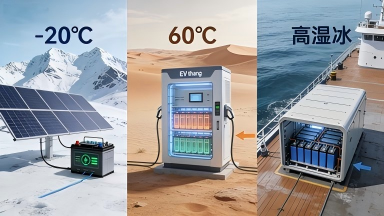
LiFePO4 batteries excel in high-temperature environments, a critical advantage for outdoor or industrial applications. Unlike other batteries that lose capacity or suffer permanent damage when exposed to heat (e.g., a car battery in summer or a solar battery in direct sunlight), LiFePO4 maintains consistent performance even at temperatures up to 60°C. This thermal stability also reduces the need for complex cooling systems, making LiFePO4 batteries more compact and cost-effective for devices like EVs or outdoor energy storage setups. Additionally, LiFePO4’s low self-discharge rate (only 1-2% per month) ensures it retains charge for long periods—perfect for seasonal equipment (like snow blowers or RVs) that may sit idle for months.
4. High Energy Density & Fast Charging
While LiFePO4’s energy density (energy stored per unit weight) is slightly lower than some lithium-ion variants, it still outperforms lead-acid batteries by a wide margin. This means LiFePO4 batteries can store more energy in a lighter, smaller form factor—critical for portable devices or EVs where weight and size impact usability. For example, a LiFePO4 battery pack for an e-bike is 30-50% lighter than a lead-acid pack of the same capacity, making the e-bike easier to handle and extending its range. Additionally, LiFePO4 batteries support fast charging: most models can charge to 80% capacity in 30-60 minutes with a compatible charger, minimizing downtime for tools, vehicles, or backup power systems.
Common Applications of LiFePO4 Batteries
LiFePO4’s unique blend of safety, longevity, and performance makes it suitable for a wide range of applications. From consumer electronics to industrial systems, here are the areas where LiFePO4 is making the biggest impact:
-
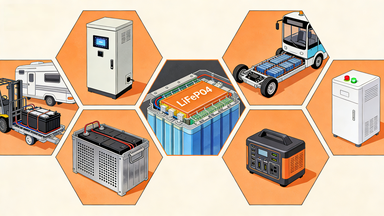
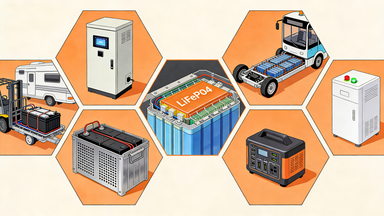
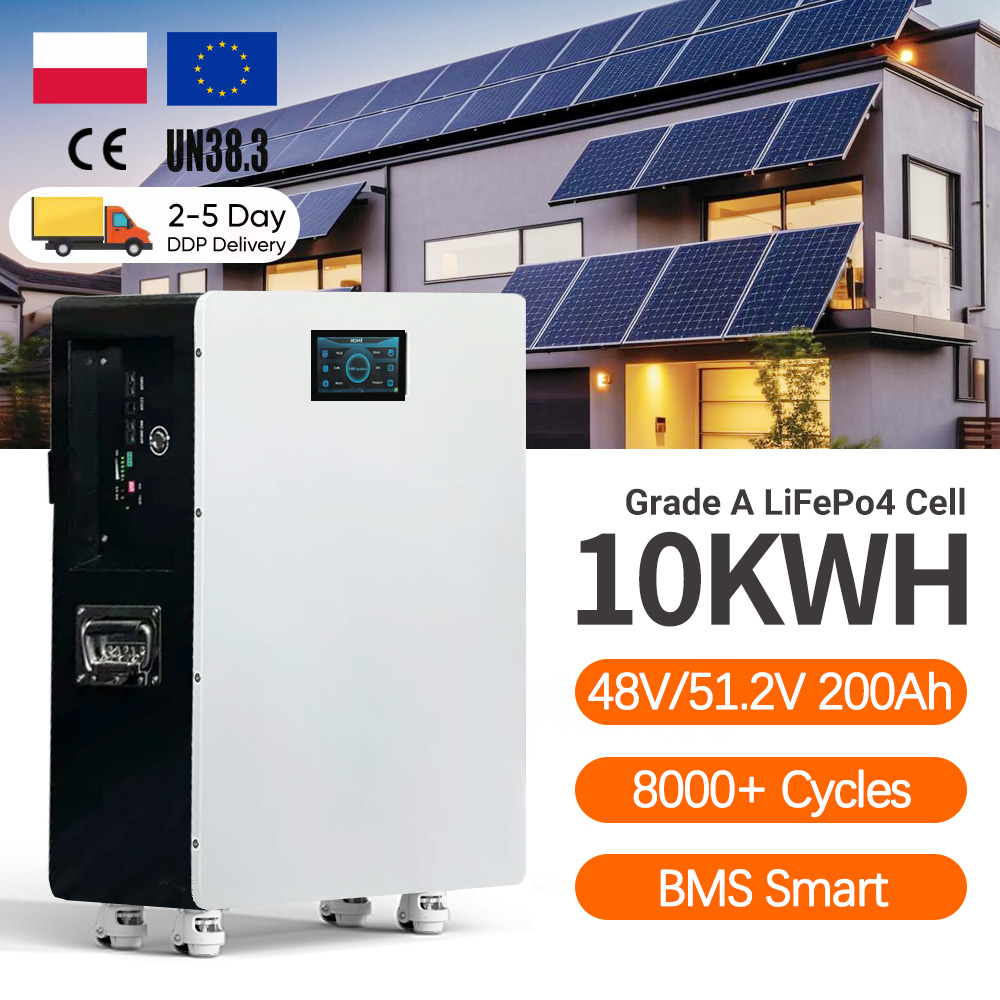
Residential & Commercial Energy Storage: LiFePO4 is the top choice for solar energy storage systems (on-grid and off-grid). It can store excess energy generated by solar panels during the day, releasing it at night or during power outages to power homes or businesses. Its long lifespan and safety make it ideal for long-term residential use, while its high cycle life and thermal stability suit commercial applications (e.g., office buildings, warehouses) that require constant power.
-
Electric Vehicles (EVs) & E-Mobility: Many modern EVs, e-bikes, e-scooters, and electric golf carts use LiFePO4 batteries. Their safety is a key benefit for EVs (reducing the risk of fire in accidents), while their long cycle life means EV owners won’t need to replace the battery for 10+ years. For e-mobility devices (e-bikes, e-scooters), LiFePO4’s lightweight design extends range and improves maneuverability, while fast charging minimizes downtime for daily commutes.
-
Industrial & Heavy-Duty Equipment: Construction tools (cordless drills, impact wrenches), warehouse forklifts, and agricultural equipment rely on LiFePO4 batteries for their durability and long runtime. Professionals who use tools all day benefit from LiFePO4’s fast charging and extended cycle life, reducing the number of batteries they need to carry. Industrial equipment also benefits from LiFePO4’s ability to withstand harsh conditions (dust, heat, vibration) without performance loss.
-
Backup Power & Emergency Systems: LiFePO4 batteries are ideal for backup power systems in homes, hospitals, and data centers. Their low self-discharge rate ensures they retain charge for months, while their fast charging allows them to replenish quickly when power is restored. For critical applications like hospitals, LiFePO4’s safety and reliability ensure life-saving equipment stays operational during outages.
-
Recreational Equipment: RVs, boats, camping gear, and portable generators often use LiFePO4 batteries. Their lightweight design makes them easy to transport, while their long lifespan and low self-discharge rate are perfect for seasonal use (e.g., RV trips in summer, boating in winter). Campers and boaters also appreciate LiFePO4’s safety, as it eliminates the risk of toxic fumes (unlike lead-acid batteries) in enclosed spaces.
How to Choose & Maintain LiFePO4 Batteries
To get the most out of your LiFePO4 battery, it’s important to choose the right model and follow proper maintenance practices. Here’s what to consider:
Key Factors to Consider When Buying LiFePO4 Batteries
-
Capacity (Ah Rating): Capacity, measured in ampere-hours (Ah), determines how much energy the battery can store. Higher Ah ratings mean longer runtime. For example, a 10Ah LiFePO4 battery will power an e-bike longer than a 5Ah model. Choose a capacity based on your usage: if you use your device for long periods (e.g., daily EV commutes, all-day tool use), opt for a higher capacity.
-
Cell Quality & Brand Reputation: Look for LiFePO4 batteries made with high-quality cells from reputable brands (e.g., CATL, BYD, Samsung). High-quality cells ensure consistent performance, longer cycle life, and better safety. Avoid cheap, unbranded LiFePO4 batteries—they may use low-grade cells that are prone to failure or thermal runaway.
-
Safety Certifications: Ensure the LiFePO4 battery has safety certifications like UL, CE, or IEC. These certifications confirm the battery has passed rigorous safety tests (overcharge, short-circuit, temperature resistance) and meets international standards. Safety certifications are especially important for high-risk applications like EVs or home storage.
-
Compatibility: Check that the LiFePO4 battery is compatible with your device. Verify voltage (e.g., 12V, 24V, 36V), connector type, and physical dimensions. Using an incompatible battery can damage your device or reduce the battery’s lifespan.
-
Warranty: A good warranty is a sign of quality. Look for LiFePO4 batteries with a 5-10 year warranty—this covers defects in materials or workmanship and ensures the manufacturer stands behind their product. Be sure to read the warranty terms to understand what’s covered (e.g., capacity loss, premature failure).
-
Maintenance Tips to Extend LiFePO4 Lifespan
-
Use a Compatible Charger: Always charge LiFePO4 batteries with a charger designed for LiFePO4 chemistry. Using a charger for other battery types (e.g., lead-acid) can overcharge the battery, damaging cells and reducing lifespan. Look for chargers with built-in overcharge protection.
-
Avoid Extreme Temperatures: Store and use LiFePO4 batteries in temperatures between 10°C and 45°C. Avoid extreme heat (e.g., a car in summer) or cold (e.g., a garage in winter), as these can damage cells and reduce capacity. If storing for long periods, keep the battery at 40-60% capacity in a cool, dry place.
-
Don’t Over-Discharge: While LiFePO4 batteries have over-discharge protection, it’s best to recharge them before capacity drops below 20%. Deep discharge can stress cells and reduce long-term lifespan. For devices with battery level indicators, recharge when the indicator shows 20-30% remaining.
-
Keep Terminals Clean: Regularly inspect the battery’s terminals (metal contacts) and clean them with a dry, soft cloth if dirty or corroded. Corrosion can interfere with the battery’s connection to your device, causing poor performance. Avoid using water or harsh chemicals, as these can damage the terminals.
-
Use Regularly: LiFePO4 batteries perform best when used regularly. If you have a seasonal device (e.g., an RV), use the battery at least once every 3-6 months to keep cells active. This prevents deep discharge and maintains capacity.
Are LiFePO4 Batteries Worth the Investment?
LiFePO4 batteries have a higher upfront cost than lead-acid or standard lithium-ion batteries—but their long-term value makes them worth the investment. Here’s why:
First, their exceptional cycle life means fewer replacements. A LiFePO4 battery can last 10-15 years, while a lead-acid battery lasts 2-3 years. Over time, the cost of replacing lead-acid batteries multiple times far exceeds the upfront cost of a LiFePO4 battery. Second, LiFePO4’s energy efficiency reduces charging costs—they lose less energy during charging and discharging, so you use less electricity to power your devices. Third, their safety and reliability reduce the risk of downtime or damage to your devices (e.g., a failed battery damaging an EV or tool), saving you money on repairs.
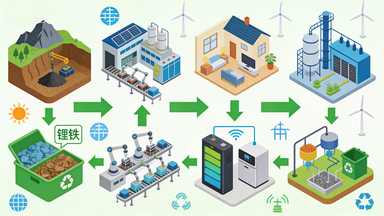
For eco-conscious users, LiFePO4 is also a more sustainable choice. They contain no toxic materials (unlike lead-acid batteries), are more energy-efficient to produce, and have a longer lifespan—reducing the number of batteries that end up in landfills.
Conclusion: Why LiFePO4 Is the Future of Rechargeable Power
LiFePO4 batteries have set a new standard for safety, longevity, and performance in the rechargeable battery market. Their unique chemistry delivers benefits that no other battery technology can match—making them ideal for everything from home energy storage to EVs and industrial equipment. Whether you’re looking to reduce long-term costs, improve safety, or embrace sustainability, LiFePO4 is a smart investment.
By choosing the right LiFePO4 battery and following proper maintenance practices, you can enjoy reliable power for years to come. As the demand for clean, efficient energy grows, LiFePO4 will continue to be at the forefront of battery technology—powering the devices and systems that keep our world running.
lithium lifepo4 battery
lifepo4 batteries
Related Article
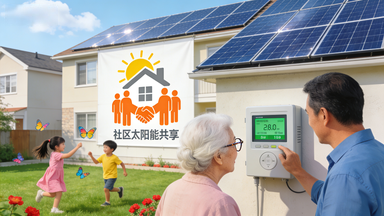
In an era where climate change urgency and energy security concerns dominate global conversations, the shift to renewable energy has moved from a "nice-to-have" to a necessity.
green mountain energy
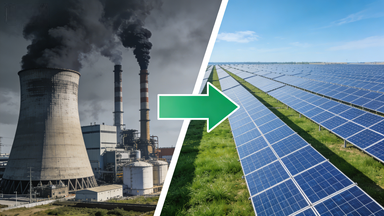
As the global community grapples with climate change, energy security, and rising fossil fuel costs, solar energy has emerged as a beacon of hope in the transition to a cleaner, more sustainable energy system.
pros of solar energy