lifepo4 lithium battery
2025-11-13

LiFePO4 Lithium Batteries: The Game-Changer in Energy Storage
In a world where reliable, long-lasting energy storage is becoming increasingly essential—from powering RVs and solar systems to keeping our favorite gadgets running—LiFePO4 lithium batteries have emerged as a standout solution. Short for Lithium Iron Phosphate, LiFePO4 batteries are a type of rechargeable lithium-ion battery that’s gaining popularity for its unique blend of safety, durability, and performance. Unlike traditional lead-acid batteries or other lithium-ion variants (like Li-ion or Li-poly), LiFePO4 batteries address many of the common pain points users face, such as short lifespans, safety risks, and limited temperature tolerance. Let’s dive into what makes these batteries special, where they shine, and how to choose the right one for your needs.
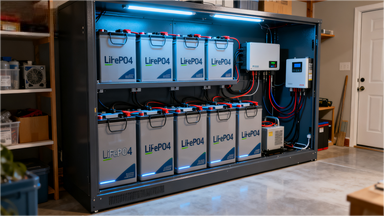
At its core, a LiFePO4 battery uses lithium iron phosphate as the cathode material (the positive electrode), paired with a graphite anode (the negative electrode) and an electrolyte that allows lithium ions to flow between the two. This chemical composition is what sets it apart from other batteries:
- Safety First: Unlike some lithium-ion batteries that use cobalt (which can overheat or catch fire if damaged), LiFePO4 has a stable chemical structure. It’s resistant to thermal runaway—meaning it won’t explode or ignite even if punctured, overcharged, or exposed to high temperatures (up to 60°C/140°F in many cases). This makes it a top choice for applications where safety is non-negotiable, like home energy storage or children’s toys.
- Long Lifespan: One of the biggest advantages of LiFePO4 batteries is their cycle life. A “cycle” refers to one full charge and discharge. Most LiFePO4 batteries can handle 2,000 to 5,000 cycles (and some high-quality models even reach 10,000+) before their capacity drops to 80% of the original. Compare that to lead-acid batteries, which typically only last 300 to 500 cycles, and it’s clear why LiFePO4 is a cost-effective long-term investment.
- Fast Charging & High Efficiency: LiFePO4 batteries charge quickly—many can reach 80% capacity in just 1 to 2 hours with a compatible charger. They also have a high charge/discharge efficiency (around 90-95%), meaning less energy is wasted as heat during use. This is a huge plus for busy users who don’t want to wait hours for their batteries to recharge.
- Lightweight & Compact: LiFePO4 batteries are significantly lighter than lead-acid batteries (up to 50% lighter for the same capacity). For example, a 100Ah LiFePO4 battery weighs around 12-15kg, while a lead-acid battery of the same capacity can weigh 25-30kg. Their compact size also makes them easier to install in tight spaces, like the trunk of a car or a small solar setup.
-
Top Uses for LiFePO4 Lithium Batteries
LiFePO4 batteries are versatile and work well in a wide range of applications. Here are some of the most common uses:
1. Solar Energy Storage
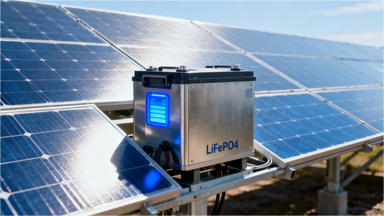
Homeowners and businesses with solar panels rely on LiFePO4 batteries to store excess energy generated during the day for use at night or during power outages. Their long cycle life and ability to handle deep discharges (you can safely discharge them to 0% without damaging the battery) make them perfect for off-grid or hybrid solar systems.
2. Recreational Vehicles (RVs) & Campervans
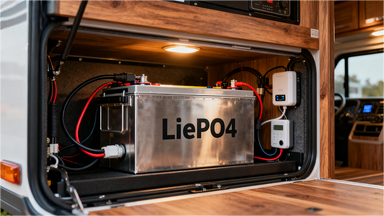
RV owners love LiFePO4 batteries because they’re lightweight (reducing fuel consumption) and can power appliances like fridges, lights, and TVs for longer periods. Unlike lead-acid batteries, they don’t lose capacity in cold weather (many work well down to -20°C/-4°F), making them ideal for winter camping trips.
3. Marine & Boating
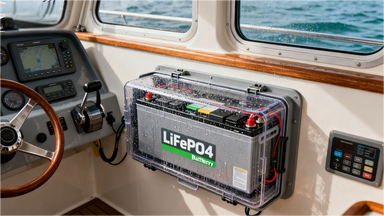
Boats need batteries that can withstand moisture, vibrations, and temperature changes—all things LiFePO4 batteries excel at. They power trolling motors, navigation systems, and onboard electronics reliably, and their sealed design means no risk of acid leaks (a common issue with lead-acid batteries).
4. Portable Electronics & Gadgets
While LiFePO4 batteries are larger than the ones in your phone, they’re used in bigger portable devices like power banks (for camping or emergency use), portable fridges, and even electric scooters. Their long lifespan ensures these gadgets stay functional for years without needing a battery replacement.
5. Backup Power for Homes/Businesses
In areas with frequent power outages, LiFePO4 batteries serve as a reliable backup. They can power essential appliances (like refrigerators, medical equipment, or Wi-Fi routers) for hours, and their fast charging means they’re ready to go again quickly once the power is back on.
How to Choose the Right LiFePO4 Battery
With so many options on the market, it’s important to pick a LiFePO4 battery that fits your specific needs. Here are the key factors to consider:
1. Capacity (Ah)
Capacity is measured in ampere-hours (Ah) and tells you how much energy the battery can store. For example:
- A 50Ah battery is great for small devices (like a portable fridge or RV lights).
- A 100Ah to 200Ah battery works for solar storage or powering multiple RV appliances.
- A 500Ah+ battery is ideal for off-grid homes or commercial use.
Pro tip: Calculate your daily energy needs (in watt-hours, Wh) by multiplying the wattage of your devices by how long you use them. Then, choose a battery with a Wh rating (Ah x voltage) that covers your needs (add 20-30% for safety).
2. Voltage
LiFePO4 batteries come in different voltages, such as 12V, 24V, or 48V. The voltage you need depends on your device or system:
- 12V: Common for RVs, boats, small solar setups, and portable gadgets.
- 24V or 48V: Used for larger solar systems, electric vehicles (like golf carts), or commercial backup power.
3. Brand & Quality
Not all LiFePO4 batteries are created equal. Look for reputable brands that offer:
- Battery Management System (BMS): A BMS is a built-in circuit that protects the battery from overcharging, over-discharging, short circuits, and overheating. This is critical for safety and extending the battery’s life.
- Warranty: High-quality LiFePO4 batteries usually come with a 5 to 10-year warranty (or a guarantee for a certain number of cycles, like 2,000 cycles). Avoid cheap batteries with no warranty—they’re likely to fail quickly.
- Certifications: Look for certifications like CE (European safety standard), UL (North American safety standard), or RoHS (for environmentally friendly materials). These ensure the battery meets strict safety and quality guidelines.
4. Price
LiFePO4 batteries are more expensive upfront than lead-acid batteries (usually 2-3x the cost). But when you factor in their longer lifespan (5-10 years vs. 1-2 years for lead-acid), they’re actually more cost-effective over time. Don’t skimp on quality to save a few dollars—investing in a good battery will pay off in the long run.
Tips for Maintaining Your LiFePO4 Battery
To get the most out of your LiFePO4 battery, follow these simple maintenance tips:
- Charge with a Compatible Charger: Use a charger designed for LiFePO4 batteries. Using a charger for lead-acid or other lithium-ion batteries can damage the BMS or reduce the battery’s lifespan.
- Avoid Extreme Temperatures: While LiFePO4 batteries handle temperature changes better than other batteries, avoid storing or using them in extreme heat (over 60°C/140°F) or cold (below -20°C/-4°F) for long periods.
- Don’t Over-Discharge (Unless Needed): While LiFePO4 batteries can handle deep discharges, it’s still best to recharge them before they drop below 20% capacity (if possible) to extend their cycle life.
- Store Properly: If you’re not using the battery for a long time, charge it to 50-70% capacity and store it in a cool, dry place (between 10°C/50°F and 30°C/86°F).
Final Thoughts
LiFePO4 lithium batteries are revolutionizing the way we store and use energy. Their unbeatable combination of safety, long lifespan, fast charging, and versatility makes them a top choice for anyone looking for a reliable battery solution—whether you’re a camper, a solar homeowner, or a business owner in need of backup power. While they may cost more upfront, their durability and efficiency make them a smart investment that will save you time and money in the long run.
Do you have experience using LiFePO4 batteries? Or are you considering buying one for a specific project? Share your thoughts in the comments below—I’d love to hear from you!
lithium ion battery
lifepo4 battery
Related Article
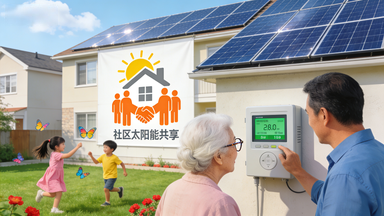
In an era where climate change urgency and energy security concerns dominate global conversations, the shift to renewable energy has moved from a "nice-to-have" to a necessity.
green mountain energy
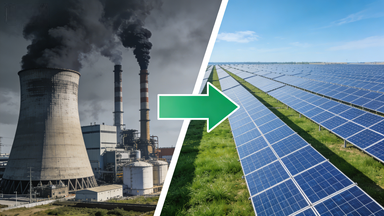
As the global community grapples with climate change, energy security, and rising fossil fuel costs, solar energy has emerged as a beacon of hope in the transition to a cleaner, more sustainable energy system.
pros of solar energy