lifepo4
2025-11-22
In a world increasingly dependent on reliable, long-lasting energy storage—from powering electric vehicles (EVs) to storing solar energy for homes—one battery technology stands out for its unmatched safety and durability: Lithium Iron Phosphate (LiFePO4) batteries. Often abbreviated as LFP, these batteries have quietly become a game-changer in industries where performance and peace of mind are non-negotiable. But what makes LiFePO4 different from other lithium batteries? Why are more manufacturers and consumers choosing it? Let’s dive into the world of LiFePO4 to uncover its secrets, benefits, and the role it’s playing in shaping a more sustainable future.
What Is a LiFePO4 Battery, Exactly?
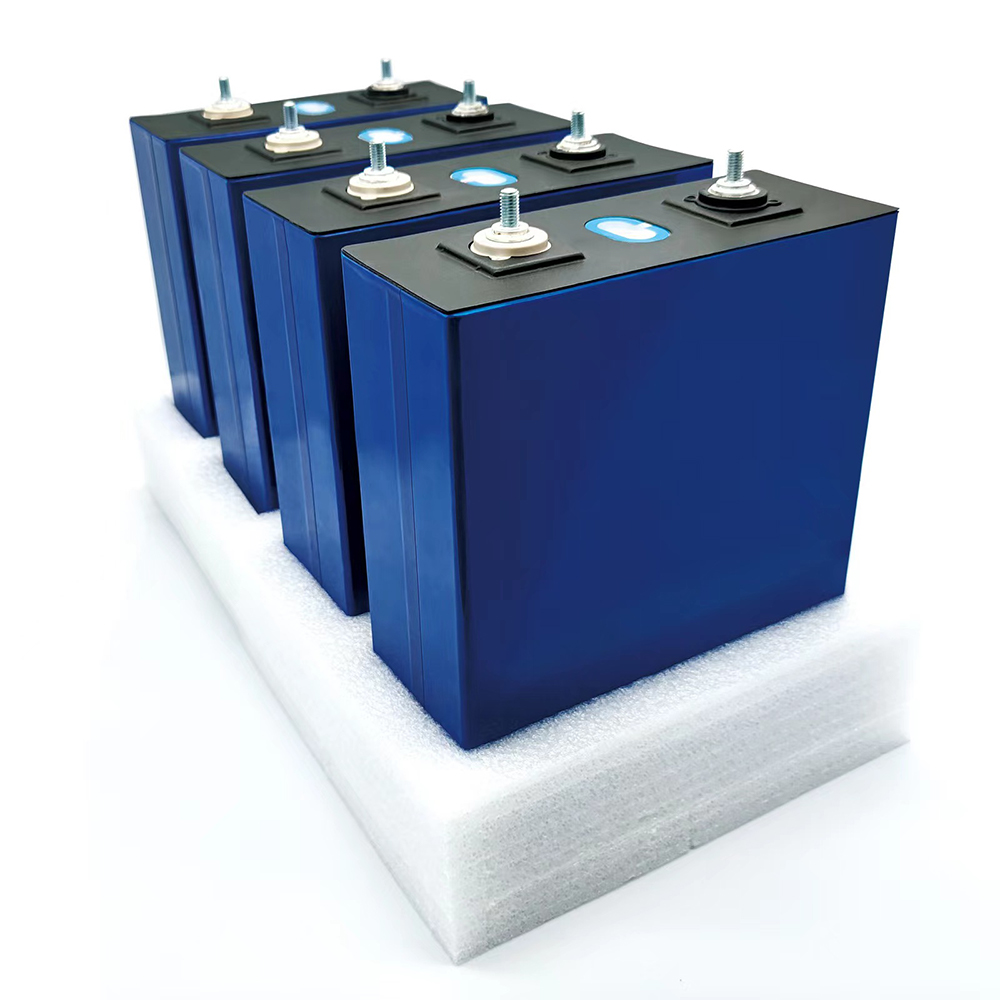
At its core, a LiFePO4 battery is a type of rechargeable lithium-ion battery—but with a critical difference: its cathode is made of lithium iron phosphate (LiFePO₄) instead of the lithium cobalt oxide (LCO) or lithium nickel manganese cobalt oxide (NCM) used in traditional lithium-ion batteries. This seemingly small change in materials is what gives LiFePO4 its unique set of advantages, especially when it comes to safety and longevity.
Like all lithium batteries, LiFePO4 works by moving lithium ions between two electrodes (an anode, usually made of graphite, and the LiFePO4 cathode) through an electrolyte. During charging, ions flow from the cathode to the anode; during discharge (when powering a device or vehicle), they flow back. But the LiFePO4 cathode’s stable crystal structure changes how this process unfolds—for the better.
The Unbeatable Advantages of LiFePO4 Batteries
What sets LiFePO4 apart from other battery technologies? Let’s break down its most compelling benefits:
1. Superior Safety: No More Fire Risks
Safety is where LiFePO4 truly shines. The iron phosphate cathode has an extremely stable chemical structure, which means it’s highly resistant to thermal runaway—a dangerous chain reaction that can cause overheating, fires, or explosions in other lithium batteries (like LCO or NCM) if damaged, overcharged, or exposed to high temperatures.
Even in extreme scenarios—such as a puncture, short circuit, or exposure to temperatures above 200°C (392°F)—LiFePO4 batteries rarely catch fire or release toxic fumes. This makes them ideal for applications where safety is critical, like EVs (where battery fires are a major concern) and home energy storage systems (installed near living spaces).
2. Exceptional Longevity: Thousands of Charge Cycles
Another major perk of LiFePO4 is its impressive lifespan. Most LiFePO4 batteries can handle 2,000 to 10,000 charge cycles (depending on usage and maintenance) before their capacity drops to 80% of their original level. Compare that to traditional lithium-ion batteries (which typically last 300–1,000 cycles) or lead-acid batteries (just 300–500 cycles), and the difference is stark.
For example, a LiFePO4 battery in a home solar system could last 10–15 years, while a lead-acid battery might need replacement every 3–5 years. This longevity not only saves money in the long run but also reduces e-waste—a win for both consumers and the planet.
3. Wide Temperature Tolerance
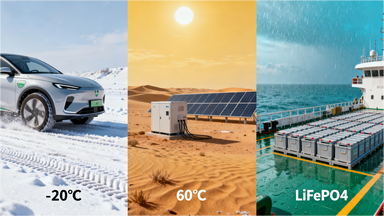
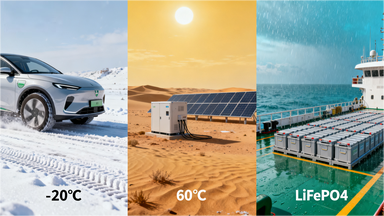
Unlike many batteries that struggle in extreme heat or cold, LiFePO4 performs reliably across a broad temperature range. Most LiFePO4 batteries work well from -20°C (-4°F) to 60°C (140°F), with some specialized models handling even colder temperatures (down to -40°C/-40°F) or hotter conditions (up to 80°C/176°F).
This makes them perfect for outdoor applications: think solar storage systems in desert climates, EVs driving through snowy winters, or marine batteries powering boats in hot summers. Traditional lithium-ion batteries, by contrast, often lose capacity or shut down in extreme temperatures.
4. No Memory Effect, Low Self-Discharge
LiFePO4 batteries are free from the “memory effect”—a problem where older batteries (like nickel-cadmium) lose capacity if they’re not fully discharged before recharging. This means you can top up a LiFePO4 battery whenever you want (even if it’s only 50% empty) without harming its long-term performance.
They also have a very low self-discharge rate: typically just 2–3% per month, compared to 5–10% for traditional lithium-ion batteries and 20–30% for nickel-based batteries. This means a LiFePO4 battery can sit unused for months (e.g., a backup power system) and still retain most of its charge when you need it.
5. Environmentally Friendlier (With Caveats)
While no battery is 100% eco-friendly, LiFePO4 is more sustainable than many alternatives. Unlike traditional lithium-ion batteries, it doesn’t use cobalt—a mineral often mined in unethical conditions (like child labor in the Democratic Republic of Congo) with severe environmental impacts.
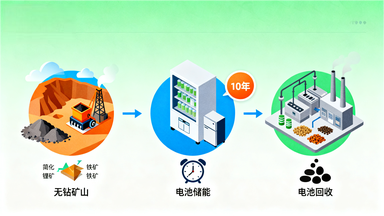
LiFePO4 also has a longer lifespan, which reduces the frequency of battery replacements and e-waste. However, it’s important to note that lithium and iron still require mining, which can have environmental costs. The good news? LiFePO4 batteries are increasingly recyclable, with new technologies making it easier to recover lithium and iron for reuse.
Where Are LiFePO4 Batteries Used?
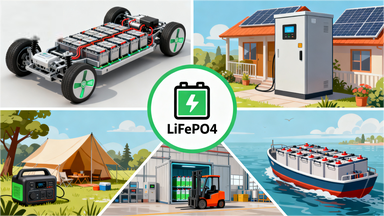
Thanks to their safety, longevity, and versatility, LiFePO4 batteries are now used in a wide range of applications. Here are the most common ones:
1. Electric Vehicles (EVs) and Hybrid EVs
Major automakers like Tesla (Model 3, Model Y), BYD, and Ford now use LiFePO4 batteries in many of their EVs. For example, Tesla switched to LFP for its entry-level Model 3 in 2021, citing safety and cost benefits. LiFePO4’s resistance to thermal runaway makes it ideal for EVs, where battery safety is a top priority for consumers. It also handles the frequent charging and discharging of daily driving well, lasting the lifetime of many vehicles.
2. Home and Commercial Solar Energy Storage
LiFePO4 is the battery of choice for solar storage systems like the Tesla Powerwall (some models), LG Chem RESU, and budget-friendly options from brands like Battle Born. Homeowners love it because it can store solar energy collected during the day to use at night (reducing reliance on the grid) and serves as a backup power source during outages. Commercial buildings also use LiFePO4 to balance energy use, cut electricity bills, and meet sustainability goals.
3. Portable Power Stations and RVs
If you’ve ever used a portable power station for camping, tailgating, or emergency backup, there’s a good chance it uses a LiFePO4 battery. Brands like Jackery, Goal Zero, and Anker rely on LiFePO4 for its safety (critical for outdoor use) and long lifespan (so you don’t have to replace the battery every year). RVs and campers also use LiFePO4 batteries to power appliances, lights, and electronics—they’re lighter than lead-acid batteries and last much longer, even with frequent use.
4. Marine and Off-Grid Applications
Boats, yachts, and off-grid cabins need batteries that can handle harsh conditions (saltwater, extreme temperatures) and frequent use. LiFePO4 fits the bill perfectly: it’s corrosion-resistant, works in hot and cold weather, and doesn’t require the same maintenance as lead-acid batteries (which need to be topped up with water). Off-grid homes also use LiFePO4 to store energy from wind turbines or solar panels, ensuring a reliable power supply year-round.
5. Industrial and Medical Devices
In industrial settings, LiFePO4 batteries power forklifts, robots, and backup systems for factories—where durability and safety are essential. In the medical field, they’re used in portable oxygen concentrators, diagnostic equipment, and even some implantable devices (though these use specialized, ultra-small LiFePO4 cells). Their long lifespan and low self-discharge make them ideal for medical devices that need to work reliably for years.
How to Choose and Maintain a LiFePO4 Battery
If you’re considering a LiFePO4 battery for your home, EV, or portable device, here are some tips to help you choose and care for it:
Choosing the Right LiFePO4 Battery
- Capacity: Measure capacity in ampere-hours (Ah) or watt-hours (Wh). For a home solar system, you’ll need a battery with enough capacity to power your home at night (e.g., 10–20 kWh). For a portable power station, 500–2,000 Wh is typical for camping or emergency use.
- Voltage: Match the battery’s voltage to your device. Most home solar systems use 48V batteries, while portable power stations are often 12V or 24V.
- Brand Reputation: Stick to reputable brands like Battle Born, Jackery, Tesla, or BYD. Cheap, unbranded LiFePO4 batteries may cut corners on safety (e.g., missing voltage regulators) and have shorter lifespans.
- Warranty: Look for a warranty of at least 5–10 years or 2,000–5,000 cycles. A good warranty is a sign the manufacturer stands behind their product.
Maintaining Your LiFePO4 Battery
- Avoid Overcharging and Deep Discharging: While LiFePO4 is more tolerant than other batteries, it’s still best to keep it between 20% and 80% charge for daily use. Most modern LiFePO4 batteries have built-in BMS (Battery Management Systems) that prevent overcharging and deep discharging, but it’s still good practice to avoid leaving it plugged in 24/7.
- Store in a Cool, Dry Place: Extreme temperatures can shorten lifespan. Store your LiFePO4 battery in a location between 10°C (50°F) and 30°C (86°F) when not in use.
- Clean Regularly: For outdoor batteries (like RV or marine batteries), wipe down the terminals with a dry cloth to remove dirt and corrosion. Avoid using water or cleaning products, as they can damage the battery.
- Use the Right Charger: Always use a charger designed for LiFePO4 batteries. Using a charger for lead-acid or traditional lithium-ion batteries can damage the LiFePO4 cell and void the warranty.
The Future of LiFePO4 Batteries
As demand for safe, sustainable energy storage grows, LiFePO4 is only going to become more popular. Here’s what we can expect in the coming years:
- Lower Costs: As production scales up (especially for EVs and solar storage), the cost of LiFePO4 batteries is expected to drop. Some experts predict prices could fall by 30–50% by 2030, making them even more accessible for homeowners and small businesses.
- Better Performance: Researchers are working on improving LiFePO4’s energy density (the amount of energy it can store per unit weight). While LiFePO4 currently has lower energy density than NCM batteries (meaning it’s slightly bulkier for the same capacity), new materials and designs could narrow this gap.
- More Recycling Options: Right now, only about 5% of LiFePO4 batteries are recycled. But companies like Redwood Materials and Li-Cycle are developing new recycling technologies that can recover up to 95% of the lithium, iron, and other materials in LiFePO4 batteries. This will make the technology even more sustainable and reduce reliance on mining.
- Wider Adoption in EVs: As consumers prioritize safety and automakers look to cut costs (by avoiding cobalt), more EV models will switch to LiFePO4. We could see LiFePO4 powering 50% or more of new EVs by 2030.
Final Thoughts
LiFePO4 batteries aren’t just a “better” battery—they’re a solution to some of the biggest challenges in energy storage: safety, longevity, and sustainability. Whether you’re powering your home with solar, driving an EV, or camping off the grid, LiFePO4 offers a reliable, eco-friendly option that lasts for years.
As the world shifts toward renewable energy and electric transportation, LiFePO4 will play a key role in making that transition possible. It’s a technology that proves you don’t have to sacrifice safety for performance—or sustainability for affordability.
Do you have questions about LiFePO4 batteries? Whether you’re wondering if it’s right for your solar system or how to extend its lifespan, drop a comment below—I’d be happy to help!
li-ion lithium
lithium iron phosphate battery
Related Article
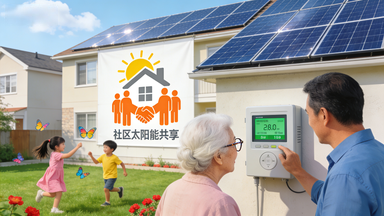
In an era where climate change urgency and energy security concerns dominate global conversations, the shift to renewable energy has moved from a "nice-to-have" to a necessity.
green mountain energy
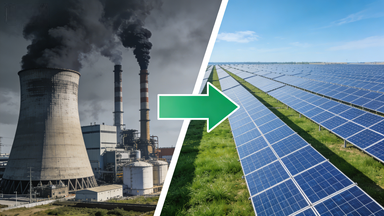
As the global community grapples with climate change, energy security, and rising fossil fuel costs, solar energy has emerged as a beacon of hope in the transition to a cleaner, more sustainable energy system.
pros of solar energy