lithium batteries
2025-12-12
Lithium Batteries: Powering the Future, One Charge at a Time
From the moment you unlock your smartphone at dawn to the second you plug in your electric vehicle (EV) at night, lithium batteries are the silent workhorses of modern life. They’ve revolutionized how we communicate, commute, and even harness renewable energy—but their story is far more than just “powering devices.” In this blog, we’ll dive deep into lithium batteries: how they’ve evolved, where they’re making the biggest impact, the hurdles they face, and what’s next for this transformative technology.
Whether you’re curious about why your laptop battery lasts longer than a decade ago, or how lithium batteries are accelerating the shift to clean energy, this guide covers it all.

The Evolution of Lithium Batteries: From Lab Experiment to Global Staple
Lithium batteries didn’t become ubiquitous overnight—their journey spans over half a century of scientific innovation. Let’s trace their key milestones to understand how they evolved into the power source we rely on today:
1. The Early Days (1970s–1980s): Foundations of Lithium Tech
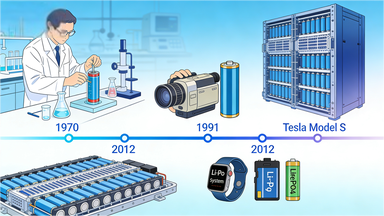
- 1970s: Researchers first explored lithium as a battery material due to its high electrochemical potential (the ability to store and release energy efficiently). Early prototypes used metallic lithium as the anode, but they were prone to overheating and short circuits—making them too dangerous for consumer use.
- 1980: John Goodenough (a legendary materials scientist) developed the lithium cobalt oxide (LCO) cathode, a breakthrough that made lithium batteries safer and more stable. This laid the groundwork for rechargeable lithium-ion (Li-Ion) batteries.
- 1991: Sony released the first commercial Li-Ion battery, powering its handheld camcorders. Suddenly, devices became smaller, lighter, and longer-lasting—marking the end of bulky nickel-cadmium (NiCd) batteries.
2. The 2000s–2010s: Scaling Up for Consumer and Industrial Use
- 2000s: Li-Ion batteries expanded to smartphones, laptops, and power tools. Manufacturers improved energy density (the amount of energy stored per unit of weight) by 30–40%, enabling devices like the iPhone (2007) to run all day on a single charge.
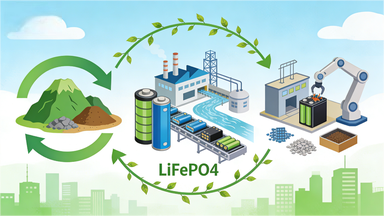
- 2010s: The rise of electric vehicles (EVs) drove a revolution in lithium battery design. Tesla’s Model S (2012) used thousands of small Li-Ion cells to deliver a 265-mile range—proving that EVs could compete with gasoline cars. Meanwhile, lithium iron phosphate (LiFePO4) batteries emerged as a safer, longer-lasting alternative for EVs and energy storage.
3. Today: Diversification and Optimization
- Modern lithium batteries come in dozens of variants, each tailored to specific needs: from ultra-thin lithium-polymer (Li-Po) batteries in smartwatches to massive LiFePO4 packs in solar energy storage systems.
- Energy density has skyrocketed: today’s Li-Ion batteries store 3x more energy than those from the 1990s, while charging times have dropped by 70% (thanks to fast-charging tech like Tesla’s Superchargers).
-
Where Lithium Batteries Shine Today: Beyond Phones and EVs
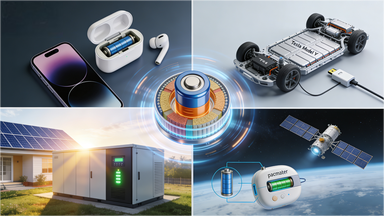
Lithium batteries’ unique combination of high energy density, lightweight design, and rechargeability has made them indispensable across industries. Here are the most impactful use cases shaping our world:
1. Consumer Electronics: The “Invisible” Power Source
- Smartphones & Laptops: Li-Po and Li-Ion batteries enable slim, portable devices with 8–12 hours of use. For example, the iPhone 15 uses a 3,349 mAh Li-Po battery that powers 19 hours of video playback—unthinkable with 1990s tech.
- Wearables & IoT Devices: Tiny, long-lasting lithium batteries power smartwatches (Apple Watch Series 9: 18-hour battery life), wireless earbuds (AirPods Pro: 6 hours per charge), and even smart home sensors (which run for years on a single lithium coin cell).
2. Transportation: Driving the Electric Revolution
- Electric Vehicles (EVs): Lithium batteries are the heart of EVs, accounting for 30–40% of a car’s cost. Today’s top EVs (e.g., Tesla Model Y, BYD Han) use Li-Ion or LiFePO4 packs with 50–100 kWh capacity, delivering 250–400 miles of range. By 2030, EVs are projected to make up 50% of new car sales—all powered by lithium batteries.
- Two-Wheelers & Public Transit: E-bikes, e-scooters, and electric buses rely on lithium batteries for their low weight and quick charging. A typical e-bike battery (48V, 14Ah) weighs just 5kg but powers 50+ miles of riding.
3. Renewable Energy Storage: Solving the “Intermittency” Problem
- Solar and wind power are clean but inconsistent (the sun doesn’t shine at night, wind doesn’t blow 24/7). Lithium batteries store excess energy for when it’s needed:
-
- Home Storage: Tesla Powerwall (13.5 kWh LiFePO4 battery) stores solar energy to power homes during outages or peak hours.
-
- Grid-Scale Storage: Projects like Australia’s Hornsdale Power Reserve (1500 MWh) use lithium batteries to stabilize the electrical grid, reducing reliance on fossil fuels.
4. Aerospace & Medical: High-Stakes Applications
- Aerospace: Lithium batteries power satellites, drones, and even electric aircraft (e.g., Joby Aviation’s eVTOL). Their lightweight design is critical—every pound saved on a satellite reduces launch costs by thousands of dollars.
- Medical Devices: Pacemakers, insulin pumps, and portable oxygen concentrators use lithium batteries for their long lifespan (up to 10 years) and reliability. A pacemaker’s lithium battery can last 7–10 years, eliminating the need for frequent surgeries.
-
Key Challenges: Can Lithium Batteries Overcome Their Limits?
For all their success, lithium batteries face significant challenges that could slow their growth—unless innovators find solutions:
1. Resource Scarcity and Ethical Mining
- Lithium, cobalt, and nickel (key battery materials) are finite. Demand for lithium is expected to grow 40x by 2040, leading to concerns about supply shortages.
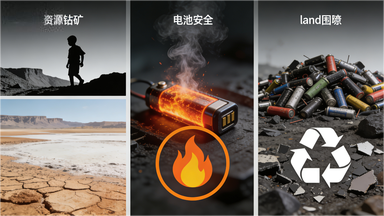
- Mining practices are often problematic: Cobalt mining in the Congo has been linked to child labor and environmental damage, while lithium mining in Chile’s Atacama Desert depletes scarce water resources (1 ton of lithium requires 2 million liters of water).
2. Safety Risks
- While modern lithium batteries are far safer than early prototypes, they can still overheat, catch fire, or explode if damaged, overcharged, or manufactured poorly. This is known as “thermal runaway”—a chain reaction that releases toxic fumes and flames.
- High-profile incidents (e.g., Samsung Galaxy Note 7 recalls, EV battery fires) highlight the need for better thermal management and quality control.
3. Recycling Bottlenecks
- Only ~5% of lithium batteries are recycled globally. Most end up in landfills, where they leak toxic chemicals or pose fire risks.
- Recycling lithium batteries is complex and expensive: Current methods recover only 50–70% of materials, and there’s a lack of infrastructure (especially for small devices like phone batteries).
4. Performance Limits
- Even the best lithium batteries degrade over time: After 1,000 charge cycles, a typical Li-Ion battery loses 20–30% of its capacity. For EVs, this means a 10-year-old car might have 70% of its original range.
- Cold weather also hurts performance: Lithium batteries lose 20–40% of their capacity in sub-zero temperatures, a major issue for EV owners in cold climates.
-
The Future of Lithium Batteries: What’s Next?
Innovators are racing to solve these challenges—and the future of lithium batteries looks promising. Here are the most exciting developments to watch:
1. Solid-State Lithium Batteries
- What they are: Replacing the liquid electrolyte in Li-Ion batteries with a solid material (e.g., ceramic or polymer).
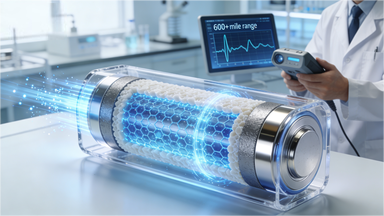
- Why they matter: Solid-state batteries are safer (no liquid to ignite), have 2x the energy density (enabling EVs with 600+ mile ranges), and charge 3x faster (10 minutes for a full charge).
- When we’ll see them: Companies like Toyota, QuantumScape, and Solid Power plan to launch solid-state batteries in EVs by 2025–2030.
2. Cobalt-Free and Low-Nickel Batteries
- To reduce reliance on scarce, unethical materials, manufacturers are developing batteries that use little or no cobalt. For example:
-
- Tesla’s 4680 battery uses a nickel-manganese-cobalt (NMC) blend with 90% nickel and 10% manganese/cobalt.
-
- BYD’s Blade Battery is a LiFePO4 design with zero cobalt, making it cheaper and safer.
3. Better Recycling Technology
- New recycling methods (e.g., hydrometallurgy, pyrometallurgy, and direct recycling) can recover 95% of lithium, cobalt, and nickel—turning old batteries into “urban mines.”
- Governments are cracking down on waste: The EU’s Battery Regulation (2027) will require 70% of lithium and 90% of cobalt to be recovered from EV batteries.
4. Sodium-Ion Batteries: A Viable Alternative?
- Sodium is abundant (it’s in salt!) and cheaper than lithium. Sodium-ion batteries are being tested for low-cost applications like grid storage and entry-level EVs. While they have lower energy density than lithium batteries, they’re safer and more sustainable for certain uses.
-
Closing Thoughts: Lithium Batteries Are Just Getting Started
Lithium batteries have come a long way since their lab origins—and they’re poised to shape the next decade of technology, sustainability, and mobility. From powering self-driving EVs to storing renewable energy for entire cities, their potential is limitless—if we can solve their resource and recycling challenges.
As consumers, we can do our part by recycling old batteries (check local drop-off points!), using official chargers, and choosing devices with sustainable battery designs. For innovators and policymakers, the race is on to make lithium batteries greener, safer, and more accessible.
What excites you most about the future of lithium batteries? Are you considering an EV, or do you have questions about how to extend your device’s battery life? Drop a comment below—I’d love to hear your thoughts!
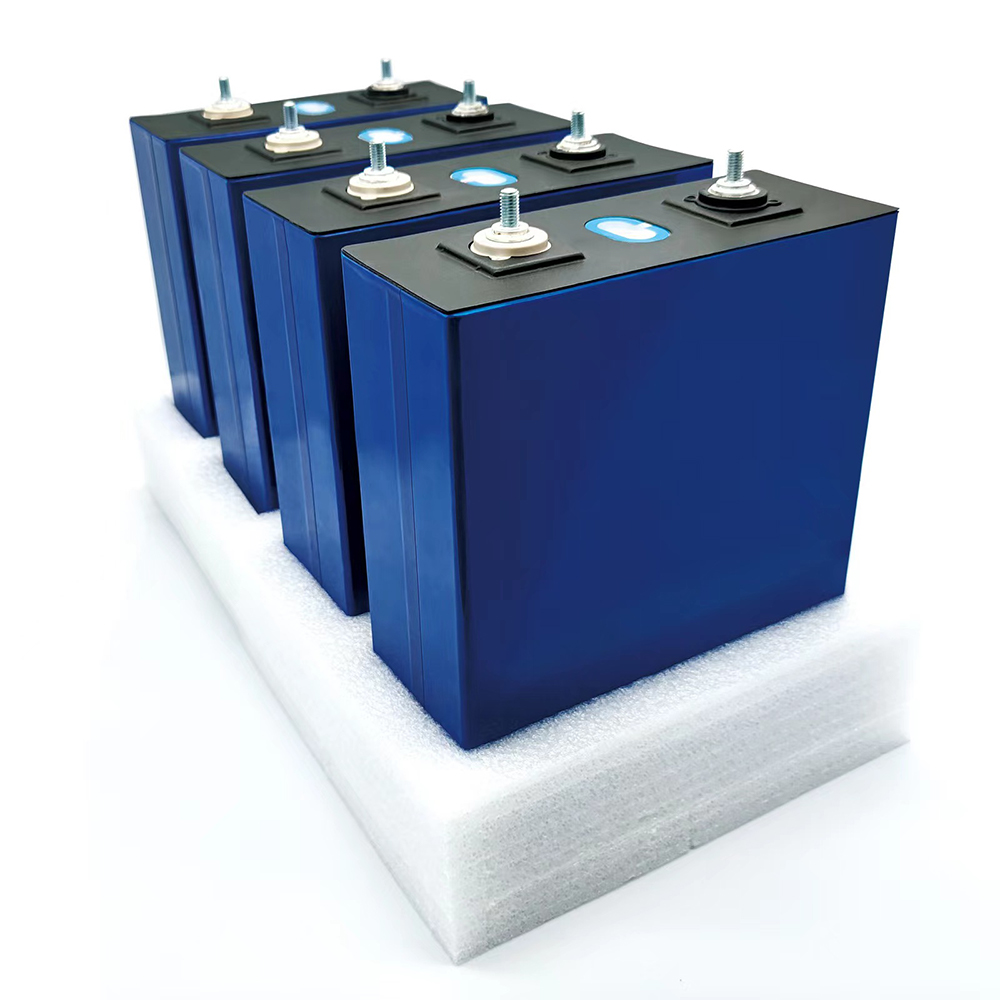
what is lithium used for
lithium ion batteries
Related Article

In an era where climate change urgency and energy security concerns dominate global conversations, the shift to renewable energy has moved from a "nice-to-have" to a necessity.
green mountain energy
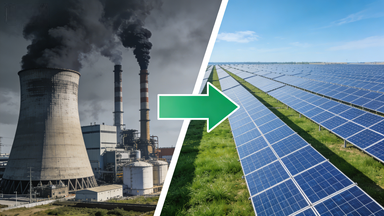
As the global community grapples with climate change, energy security, and rising fossil fuel costs, solar energy has emerged as a beacon of hope in the transition to a cleaner, more sustainable energy system.
pros of solar energy