lithium battery and
2025-11-14
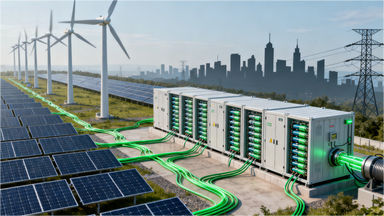
Lithium Battery and Sustainable Energy Transition: Powering a Greener Future
In recent decades, the global push to move away from fossil fuels and toward renewable energy sources—like solar, wind, and hydro—has gained unprecedented momentum. At the heart of this shift lies a technology that has revolutionized how we store and use energy: the lithium battery. From powering electric vehicles (EVs) that reduce carbon emissions to storing solar energy for use when the sun doesn’t shine, lithium batteries are not just accessories to the sustainable energy transition—they are its backbone. But how exactly do lithium batteries intersect with this global movement, and what challenges and opportunities lie ahead? Let’s dive in.

The Role of Lithium Batteries in Enabling Renewable Energy
Renewable energy sources like solar and wind are inherently intermittent: the sun sets, wind speeds drop, and weather patterns fluctuate. This intermittency has long been a barrier to their widespread adoption—until lithium batteries stepped in. Unlike traditional lead-acid batteries (which are heavy, have short lifespans, and low energy density), lithium batteries offer game-changing advantages that make renewable energy reliable:
- High Energy Density: Lithium batteries store more energy per unit weight or volume. A single lithium-ion battery can hold 2–3 times more energy than a lead-acid battery of the same size, making it ideal for applications like EVs (which need long driving ranges) and grid-scale energy storage (which must power entire neighborhoods).
- Long Lifespan: Most lithium batteries last 5–10 years (or 1,000+ charge-discharge cycles) with proper maintenance—far longer than lead-acid batteries (which typically last 2–3 years). This longevity reduces replacement costs and waste, aligning with sustainability goals.
- Fast Charging: Modern lithium batteries (like those used in Tesla or Samsung devices) can charge to 80% capacity in 30–60 minutes, addressing a key pain point for EV owners and ensuring energy storage systems can quickly replenish during peak production hours (e.g., midday for solar panels).
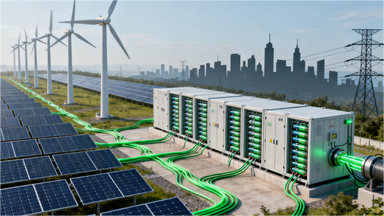
Take grid-scale energy storage as an example: In California, the Moss Landing Energy Storage Facility—one of the largest in the world—uses over 4,000 lithium-ion battery packs to store solar and wind energy. On cloudy or calm days, it releases this stored energy to power 300,000 homes, bridging the gap between renewable energy production and demand. Without lithium batteries, such large-scale integration of renewables would be nearly impossible.
Lithium Batteries and Electric Vehicles: Driving Decarbonization
Transportation accounts for 16% of global greenhouse gas emissions (per the International Energy Agency), making it a critical target for decarbonization. Here, lithium batteries are the star of the show. EVs rely entirely on lithium-ion batteries for power, and their adoption is skyrocketing: global EV sales hit 10.5 million in 2022 (up 55% from 2021), and experts predict that by 2030, EVs will make up over 50% of new car sales worldwide.
Why are lithium batteries essential for EVs? Let’s compare: A typical gasoline-powered car emits ~4.6 metric tons of CO₂ annually, while an EV emits zero tailpipe emissions. But none of this would be feasible without lithium batteries. Early EVs (like the 2010 Nissan Leaf) used small lithium batteries that offered just 73 miles of range—too short for most drivers. Today, thanks to advances in lithium battery technology, EVs like the Tesla Model S can travel over 400 miles on a single charge, matching or exceeding the range of gas-powered cars.
Moreover, lithium batteries are getting cheaper: Since 2010, the cost of lithium-ion battery packs has plummeted by 89% (from \(1,200 per kilowatt-hour to under \)130/kWh), making EVs more affordable for consumers. This cost reduction is directly driving the shift away from gas-powered vehicles, accelerating the transportation sector’s decarbonization.

Challenges: Sustainability Concerns of Lithium Batteries
While lithium batteries are a cornerstone of the sustainable energy transition, they are not without their own environmental challenges. The production and disposal of lithium batteries raise critical questions about their long-term sustainability:
- Lithium Mining Impact: Lithium is primarily mined in countries like Australia, Chile, and Argentina. Traditional mining methods (like open-pit mining) can destroy ecosystems, contaminate water sources, and displace local communities. In Chile’s Atacama Desert—one of the driest places on Earth—lithium mining uses 65% of the region’s freshwater, threatening the survival of native species and Indigenous communities’ access to water.
- Raw Material Shortages: Demand for lithium, cobalt, and nickel (key components of lithium batteries) is expected to surge 40-fold by 2040 (per the World Economic Forum). If mining doesn’t become more efficient or sustainable, shortages could slow down EV and renewable energy adoption.
- Waste and Recycling: Only ~5% of lithium batteries are recycled globally (per the International Energy Agency). Most end up in landfills, where toxic chemicals (like cobalt and nickel) can leach into soil and water. Even when recycled, current processes are energy-intensive and expensive, limiting their scalability.
The good news is that the industry is already addressing these challenges with innovative solutions to make lithium batteries more eco-friendly:
- Sustainable Mining Practices: Companies are developing “direct lithium extraction” (DLE) technologies, which use less water (up to 95% less than traditional mining) and have a smaller environmental footprint. In Argentina, companies like Ganfeng Lithium are testing DLE to reduce their impact on the Salar de Hombre Muerto salt flat.
- Battery Recycling Innovations: Startups like Redwood Materials (founded by Tesla’s former CTO) are building large-scale recycling facilities that can recover 95% of lithium, cobalt, and nickel from old batteries. These recycled materials are then used to make new batteries, reducing the need for new mining.
- Solid-State Lithium Batteries: The next generation of lithium batteries—solid-state batteries—uses a solid electrolyte instead of a liquid one. They offer higher energy density (extending EV range by 20–50%), faster charging, and are safer (less prone to overheating). They also use less cobalt, addressing raw material concerns. Companies like Toyota and QuantumScape plan to launch solid-state battery EVs by 2030.
-
Final Thoughts: Lithium Batteries as a Catalyst for Change
Lithium batteries and the sustainable energy transition are inseparable. They have turned the dream of a carbon-free future into a tangible reality—powering EVs, storing renewable energy, and reducing our reliance on fossil fuels. While challenges like mining impact and waste remain, the industry’s commitment to innovation is paving the way for more sustainable lithium batteries.
As consumers, we can also play a role: choosing EVs, recycling old devices (like smartphones and laptops) that contain lithium batteries, and supporting policies that promote sustainable mining and recycling. Together, we can ensure that lithium batteries continue to be a force for good—driving us toward a greener, more sustainable world.
What’s your take on lithium batteries and their role in sustainability? Share your thoughts in the comments below!
what are lithium batteries
lithium ion battery
Related Article

In an era where climate change urgency and energy security concerns dominate global conversations, the shift to renewable energy has moved from a "nice-to-have" to a necessity.
green mountain energy
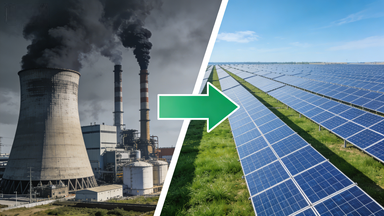
As the global community grapples with climate change, energy security, and rising fossil fuel costs, solar energy has emerged as a beacon of hope in the transition to a cleaner, more sustainable energy system.
pros of solar energy