lithium battery batteries
2025-12-04

Lithium Batteries: The Unsung Hero Powering Your Daily Life
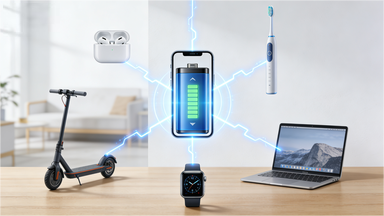
Think about your morning routine: You wake up to an alarm on your smartphone, brush your teeth with an electric toothbrush, grab a wireless headphone to listen to music, and maybe hop on an e-scooter to work. What do all these devices have in common? They’re powered by lithium batteries—small, efficient, and often overlooked, yet they’re the backbone of how we live, work, and play today. But what makes these batteries so essential, and how do they keep up with our busy lives? Let’s dive in.

What Are Lithium Batteries, Anyway?
At their simplest, lithium batteries are electrochemical devices that store and release energy using lithium—one of the lightest metals on Earth, with an impressive ability to hold and transfer energy. Unlike old-school alkaline batteries (think AAAs in your TV remote) or heavy lead-acid batteries (used in classic car engines), lithium batteries stand out for two key reasons:
- They’re either rechargeable (most common in tech and EVs) or non-rechargeable (for devices that need long-lasting, low-power use, like smoke detectors).
- Their reliance on lithium ions (charged particles) lets them store way more energy in a smaller, lighter package—a trait called “high energy density” that’s a game-changer for portability.
How Do They Work? (No PhD Required!)
You don’t need to be a scientist to understand the basics. Lithium batteries work in a simple, repeating cycle of charging and discharging:
- Charging: When you plug your phone into a charger, an external power source pushes lithium ions from the battery’s cathode (positive side, often made of materials like lithium cobalt oxide) through a liquid or solid “electrolyte” to the anode (negative side, usually graphite). The anode holds onto these ions until the battery is full.
- Discharging: When you use your phone (say, scrolling social media), the lithium ions flow back from the anode to the cathode through the electrolyte. This movement creates an electric current that powers your device.
- Repeat: This cycle can happen hundreds (or even thousands) of times before the battery starts to wear out—meaning your phone’s battery might last 2–3 years before it needs replacing.
The Most Common Types of Lithium Batteries (And Where You’ll Find Them)
Not all lithium batteries are the same—each type is designed for specific needs. Here are the ones you’ll encounter most:
1. Lithium-Ion (Li-Ion) Batteries
The “workhorse” of consumer tech. You’ll find these in smartphones, laptops, tablets, and power banks. They’re lightweight, have no “memory effect” (so you don’t have to drain them fully before charging), and charge quickly. Just be careful: Damaged or overcharged Li-Ion batteries can overheat, so always use official chargers.
2. Lithium-Ion Polymer (Li-Po) Batteries
A flexible cousin of Li-Ion batteries. Instead of a liquid electrolyte, they use a soft polymer, which means they can be made into thin, odd shapes—perfect for slim devices like wireless earbuds, smartwatches, or even foldable phones. They’re slightly less energy-dense than Li-Ion, but their design flexibility makes them irreplaceable for modern gadgets.

3. Lithium Iron Phosphate (LiFePO4 or LFP) Batteries
The “tough guys” of the group. LFP batteries use iron phosphate for the cathode, making them super safe (they rarely overheat or catch fire) and long-lasting (up to 10,000 charge cycles!). You’ll find them in electric vehicles (EVs like the Tesla Model 3), solar home storage systems (e.g., Tesla Powerwall), and power tools—places where reliability matters most.
4. Primary (Non-Rechargeable) Lithium Batteries
Single-use lithium batteries. These are for devices that don’t need frequent power swaps: smoke detectors, remote controls, glucose monitors, and digital cameras. They have a long shelf life (up to 10 years!) and work well in extreme temperatures, but once they’re dead, you have to recycle them (more on that later).
Why We Can’t Live Without Lithium Batteries
Their popularity isn’t by chance—lithium batteries solve problems no other battery technology can:
- Small yet powerful: A tiny Li-Po battery can power your wireless earbuds for 6+ hours; a larger LFP battery can drive an EV 300+ miles on one charge.
- Lightweight: Imagine carrying a laptop with a lead-acid battery—it would weigh 10x more! Lithium’s low weight makes portable tech possible.
- Slow self-discharge: Leave your unused power bank in a drawer for a month? It’ll still have 90% of its charge, unlike old nickel-based batteries that die quickly.
-
Practical Tips to Make Your Lithium Battery Last Longer
Want to extend the life of your phone, laptop, or EV battery? Try these simple hacks:
- Avoid extreme temperatures: Don’t leave your phone in a hot car (over 104°F/40°C) or a freezing garage (below 32°F/0°C)—heat and cold damage lithium ions.
- Don’t overcharge: Unplug your phone once it hits 100%. Keeping it charged 24/7 strains the battery over time.
- Charge to 20–80% for daily use: For EVs or laptops, this “sweet spot” reduces wear. Most EVs even have a setting to limit charging to 80%.
Safety & Sustainability: Doing It Right
Lithium batteries are great, but they need care:
- Safety first: Never puncture a swollen battery (it can catch fire!) or use cheap, unbranded chargers. If your phone’s battery swells, replace it immediately.
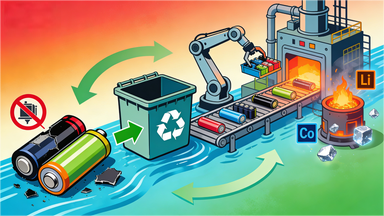
- Recycle, don’t trash: Lithium batteries contain toxic materials, so don’t throw them in the regular garbage. Drop them off at electronics stores (like Best Buy) or local recycling centers—many places even offer free recycling.
-
Wrapping Up
Lithium batteries aren’t just “batteries”—they’re the reason we can carry powerful computers in our pockets, drive emission-free cars, and store solar energy for cloudy days. As technology advances, they’ll only get better (think faster charging, longer life, and more eco-friendly materials).
Next time you use your phone or EV, take a second to appreciate the little lithium battery working behind the scenes. And if you have questions—like how to fix a slow-charging battery or what to look for in a solar storage system—feel free to leave a comment below. Let’s keep the conversation going!
lithium solar batteries
li-ion lithium
Related Article

In an era where climate change urgency and energy security concerns dominate global conversations, the shift to renewable energy has moved from a "nice-to-have" to a necessity.
green mountain energy

As the global community grapples with climate change, energy security, and rising fossil fuel costs, solar energy has emerged as a beacon of hope in the transition to a cleaner, more sustainable energy system.
pros of solar energy