lithium battery solar charge controller
2025-12-22
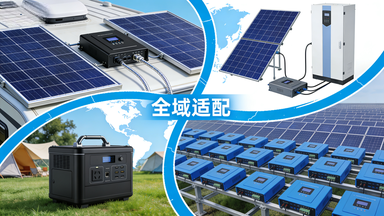
Lithium Battery Solar Charge Controller: The Core Guardian of Efficient Solar Energy Storage
As solar energy becomes an increasingly popular choice for renewable power generation—whether for off-grid homes, RV travels, outdoor camping, or small-scale commercial projects—the role of energy storage and management systems has become more critical than ever. Among the key components that ensure the stability, safety, and efficiency of a solar setup, the lithium battery solar charge controller stands out as an indispensable "gatekeeper." Unlike generic charge controllers, this device is specifically tailored to the unique charging characteristics of lithium batteries (such as LiFePO4, Li-ion), bridging the gap between solar panels and energy storage units. In this blog, we’ll delve into what a lithium battery solar charge controller is, why it’s essential for your solar system, its core functions, how to choose the right one, and maintenance tips to maximize its lifespan.


What Is a Lithium Battery Solar Charge Controller?
At its core, a solar charge controller is a device that regulates the electrical current and voltage flowing from solar panels to a battery. It prevents overcharging (which can damage battery cells and reduce lifespan) and over-discharging (which can cause permanent capacity loss), while also optimizing the energy harvested from the sun. A lithium battery solar charge controller takes this a step further: it’s engineered to match the precise charging requirements of lithium batteries, which differ significantly from traditional lead-acid batteries.
Lithium batteries have strict charging parameters—for example, most LiFePO4 batteries require a constant current (CC) charging phase followed by a constant voltage (CV) phase, with no need for the "float charge" stage that lead-acid batteries rely on. Using a generic charge controller designed for lead-acid batteries on a lithium setup can lead to improper charging, reduced battery performance, and even safety hazards like thermal runaway. Thus, a dedicated lithium battery solar charge controller is not just a "nice-to-have" but a "must-have" for any solar system paired with lithium energy storage.
Why Is It Essential for Lithium Battery Solar Systems?
The importance of a dedicated lithium battery solar charge controller stems from the unique properties of lithium batteries and the unpredictable nature of solar energy. Here are the key reasons it’s non-negotiable:
-
Protects Lithium Battery Lifespan: Lithium batteries are sensitive to overcharging and over-discharging. Even a single instance of overcharging can degrade battery cells, reducing their cycle life (the number of charge-discharge cycles before capacity drops to 80% of the original). A lithium-specific charge controller strictly adheres to the battery’s charging curve, cutting off or reducing current once the battery reaches full charge and preventing deep discharge by disconnecting the load when the voltage drops below a safe threshold.
-
Optimizes Solar Energy Harvest: Solar panel output fluctuates with sunlight intensity (e.g., cloud cover, time of day) and temperature. Advanced lithium battery solar charge controllers (especially MPPT models) feature Maximum Power Point Tracking technology, which continuously adjusts the voltage and current to extract the maximum possible power from the solar panels. This can improve energy harvest efficiency by 15-30% compared to basic PWM controllers, ensuring more energy is stored in the lithium battery for later use.
-
Ensures Safety: Lithium batteries carry a small but inherent risk of thermal runaway if not properly managed—this is when excessive heat causes a chain reaction leading to fire or explosion. Dedicated charge controllers include multiple safety mechanisms, such as short-circuit protection, reverse polarity protection (preventing damage from incorrect wiring), and temperature compensation (adjusting charging parameters based on battery temperature to avoid overheating in hot conditions or undercharging in cold weather).
-
Maintains Battery Performance: Proper charging is critical for preserving the lithium battery’s capacity and consistency. A lithium battery solar charge controller ensures that each cell in the battery pack charges uniformly (a process called cell balancing, often integrated into advanced models), preventing some cells from being overcharged while others remain undercharged. This balanced charging maintains the battery’s overall performance and prevents premature failure.
Core Functions of a Lithium Battery Solar Charge Controller
Modern lithium battery solar charge controllers offer a range of functions beyond basic voltage regulation, designed to enhance system efficiency, safety, and usability. Here are the most important ones:
1. Charging Mode Regulation (CC/CV)
As mentioned earlier, lithium batteries require a two-stage charging process: Constant Current (CC) and Constant Voltage (CV). In the CC stage, the controller supplies a steady current to the battery, rapidly increasing its charge level. Once the battery’s voltage reaches a preset threshold (the CV voltage), the controller switches to the CV stage, maintaining a constant voltage while the current gradually decreases. This prevents overcharging and ensures the battery is fully charged without damaging cells. Unlike lead-acid controllers, lithium-specific models skip the float charge stage, which is unnecessary and harmful for lithium batteries.
2. Maximum Power Point Tracking (MPPT)
MPPT is a game-changing feature for solar systems. Solar panels have a "maximum power point" (MPP)—a specific voltage and current combination where they produce the most power. This point changes with sunlight and temperature. An MPPT lithium battery solar charge controller continuously scans and adjusts to this point, converting excess voltage into current to charge the battery. For example, if the solar panel outputs 24V in bright sunlight but the battery is 12V, the MPPT controller will step down the voltage to 12V while increasing the current, ensuring no power is wasted. This is far more efficient than PWM (Pulse Width Modulation) controllers, which simply "chop" the voltage to match the battery, resulting in power loss.

3. Comprehensive Protection Mechanisms
Top-tier lithium battery solar charge controllers include a suite of safety features: Overcharge Protection (OCP): Shuts off charging when the battery reaches full capacity.Over-Discharge Protection (ODP): Disconnects the load when the battery voltage drops below a safe level (e.g., 2.5V per cell for LiFePO4).Short-Circuit Protection (SCP): Instantly cuts off current if a short circuit occurs (e.g., damaged wiring).Reverse Polarity Protection: Prevents damage from connecting the battery or solar panel backwards.Temperature Compensation: Adjusts charging voltage based on battery temperature (e.g., reduces voltage in high temperatures to avoid overheating).
4. Battery Cell Balancing
Lithium battery packs are made of multiple cells connected in series. Over time, slight variations in cell capacity can cause some cells to charge faster than others. If left unaddressed, this "cell imbalance" can lead to overcharging of individual cells, reducing the pack’s overall capacity and lifespan. Advanced lithium battery solar charge controllers include cell balancing functionality, which equalizes the charge across all cells, ensuring uniform performance and extending battery life.
5. System Monitoring and Diagnostics
Many modern controllers come with built-in displays or support Bluetooth/Wi-Fi connectivity, allowing users to monitor key system data in real time: solar panel output voltage/current, battery voltage/capacity/state of charge (SoC), load consumption, and any error alerts (e.g., short circuit, low battery). This makes it easy to track system performance, identify issues early, and optimize energy usage.
How to Choose the Right Lithium Battery Solar Charge Controller
Selecting the right lithium battery solar charge controller depends on your system’s specific needs, including the type of lithium battery, solar panel configuration, and load requirements. Here are the key factors to consider:
1. Compatibility with Your Lithium Battery Type
Not all lithium batteries are the same—LiFePO4, Li-ion, and Li-polymer batteries have different charging parameters (e.g., CV voltage, cut-off voltage). Ensure the controller is specifically designed for your battery type. For example, LiFePO4 batteries typically require a CV voltage of 3.65V per cell, while Li-ion batteries use 4.2V per cell. Using a controller incompatible with your battery can lead to permanent damage.
2. MPPT vs. PWM: Choose Based on System Size
PWM controllers are cheaper and simpler, making them suitable for small, low-power systems (e.g., 100W solar panels, 12V battery). However, they are less efficient, especially in variable sunlight conditions. MPPT controllers are more expensive but offer higher efficiency (95-98% vs. 70-80% for PWM), making them ideal for larger systems (200W+), off-grid setups, or areas with inconsistent sunlight. For most lithium battery solar systems, MPPT is the better long-term investment, as it maximizes energy harvest and reduces payback time.
3. Rated Current and Voltage
The controller’s rated current (in amps, A) and voltage (in volts, V) must match your system’s specifications. The rated current should be at least 1.25 times the maximum current output of your solar panels to avoid overloading the controller. For example, if your solar panels produce a maximum current of 10A, choose a controller with a rated current of 12.5A or higher. The voltage rating (e.g., 12V, 24V, 48V) must match the battery’s voltage—never use a 24V controller with a 12V battery.

4. Safety Features and Certifications
Prioritize controllers with the full suite of protection mechanisms (OCP, ODP, SCP, reverse polarity, temperature compensation). Look for certifications like CE, RoHS, or UL, which indicate the controller meets international safety and quality standards. Avoid cheap, unbranded controllers—they often lack proper safety features and can put your lithium battery and entire system at risk.
5. Connectivity and Monitoring Options
If you want to monitor your system remotely or access detailed data, choose a controller with Bluetooth or Wi-Fi connectivity. Many models come with companion apps that let you check battery SoC, solar output, and error alerts from your smartphone. This is especially useful for off-grid setups or systems installed in hard-to-reach areas.
6. Brand Reputation and Warranty
Opt for controllers from reputable brands with a track record in solar energy (e.g., Victron Energy, Renogy, EPEVER). These brands offer better build quality, reliable customer support, and longer warranties (1-5 years). A good warranty is a sign of the manufacturer’s confidence in their product and can save you money on repairs or replacements.
Maintenance Tips for Lithium Battery Solar Charge Controllers
A well-maintained charge controller will last for years and ensure your solar system runs smoothly. Here are simple maintenance tips:
-
Keep It Clean and Cool: Install the controller in a well-ventilated area away from direct sunlight and heat sources. Dust and debris can block vents and cause overheating. Regularly clean the controller with a dry cloth to remove dirt and grime.
-
Check Wiring Connections: Periodically inspect the wiring between the controller, solar panels, battery, and load. Ensure connections are tight and free of corrosion (corrosion can cause high resistance and power loss). If you notice corrosion, clean the terminals with a wire brush and apply anti-corrosion paste.
-
Monitor System Data Regularly: Use the controller’s display or companion app to check for unusual readings (e.g., low solar output, erratic battery voltage). Address issues promptly—for example, a drop in solar output could indicate a dirty panel or a faulty connection.
-
Avoid Overloading the Controller: Never connect solar panels or loads that exceed the controller’s rated current or voltage. Overloading can damage the controller’s circuitry and void the warranty.
-
Update Firmware (if applicable): Some modern controllers allow firmware updates via the companion app. These updates often include performance improvements and bug fixes, so keep your controller’s firmware up to date.
Conclusion: Invest in the Right Guardian for Your Solar System
A lithium battery solar charge controller is not just another component in your solar setup—it’s the unsung hero that protects your valuable lithium battery, optimizes energy harvest, and ensures system safety. By understanding its role, core functions, and how to choose the right one, you can maximize the performance and lifespan of your solar energy storage system.
Whether you’re building an off-grid home, upgrading your RV’s solar setup, or powering outdoor equipment, don’t cut corners on the charge controller. Invest in a high-quality, lithium-specific model from a reputable brand—it will pay off in the long run with lower maintenance costs, higher energy efficiency, and peace of mind knowing your system is protected.
Remember: the best lithium battery solar charge controller is the one that matches your system’s needs perfectly. Take the time to assess your battery type, solar panel configuration, and load requirements, and you’ll find a controller that keeps your solar system running smoothly for years to come.

charge car battery with solar
solid state lithium battery
Related Article

In an era where climate change urgency and energy security concerns dominate global conversations, the shift to renewable energy has moved from a "nice-to-have" to a necessity.
green mountain energy

As the global community grapples with climate change, energy security, and rising fossil fuel costs, solar energy has emerged as a beacon of hope in the transition to a cleaner, more sustainable energy system.
pros of solar energy