lithium battery
2025-11-12
Lithium Batteries: The Powerhouse Behind Modern Life—Everything You Need to Know
From the smartphone in your pocket and the laptop on your desk to electric vehicles (EVs) cruising down the highway and renewable energy storage systems powering homes, lithium batteries have become an invisible yet indispensable part of modern life. Their ability to store large amounts of energy in a compact, lightweight design has revolutionized how we live, work, and move. But what exactly are lithium batteries? How do they work? And why have they become the go-to energy solution for so many technologies? Let’s dive into the world of lithium batteries—exploring their science, types, applications, safety tips, and future potential.

What Is a Lithium Battery, and How Does It Work?
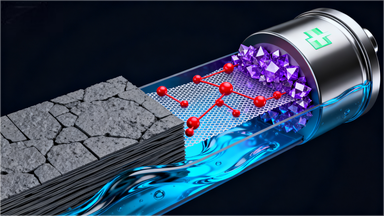
At its core, a lithium battery is a type of rechargeable battery that uses lithium ions to store and release energy. Unlike disposable alkaline batteries (which you toss after use), lithium batteries can be recharged hundreds—even thousands—of times, making them both cost-effective and eco-friendly over the long term.
The basic structure of a lithium battery includes three key components:
- Anode: Typically made of graphite (a form of carbon), this is where lithium ions are stored when the battery is charged.
- Cathode: Composed of lithium-based compounds (like lithium cobalt oxide or lithium iron phosphate), this is where lithium ions move to when the battery is discharged (powering your device).
- Electrolyte: A liquid or gel that allows lithium ions to flow between the anode and cathode. It also prevents electrons from passing through, ensuring the energy is directed to the device.
When you charge a lithium battery (e.g., plugging your phone into a charger), an electric current pushes lithium ions from the cathode through the electrolyte to the anode, where they “stick” to the graphite. When you use the device (e.g., scrolling through apps), the ions flow back to the cathode, releasing electrons that power the device. This cycle repeats with each charge and discharge.
Common Types of Lithium Batteries (and Their Uses)
Not all lithium batteries are the same—different designs are optimized for specific needs, from small electronics to heavy-duty EVs. Here are the most widely used types:
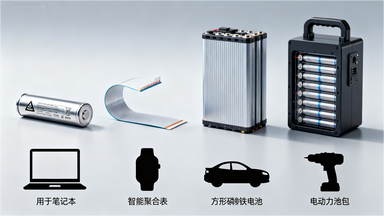
1. Lithium-Ion (Li-Ion) Batteries
The most common type, found in nearly all consumer electronics. They’re lightweight, have a high energy density (meaning they store lots of energy relative to their size), and don’t suffer from “memory effect” (a problem with older batteries where they lose capacity if not fully discharged).
- Uses: Smartphones, laptops, tablets, cameras, portable speakers, and power banks.
2. Lithium-Ion Polymer (Li-Po) Batteries
A variation of Li-Ion batteries, but with a flexible, polymer-based electrolyte instead of a liquid. This allows them to be made into thin, custom shapes (e.g., curved to fit a phone’s design). They’re slightly lighter than Li-Ion batteries but have a slightly lower energy density.
- Uses: Slim smartphones, wireless earbuds, smartwatches, drones, and wearable tech.
3. Lithium Iron Phosphate (LiFePO4 or LFP) Batteries
Known for their durability, safety, and long lifespan. They use iron phosphate in the cathode, which makes them less likely to overheat or catch fire compared to other lithium batteries. They also have a higher discharge rate (meaning they can deliver power quickly) and are more affordable for large-scale use.
- Uses: Electric vehicles (e.g., Tesla’s Model 3 and Model Y), solar energy storage systems, backup power supplies, and electric bikes/scooters.
4. Lithium Manganese Oxide (LiMn2O4 or LMO) Batteries
These batteries use manganese oxide in the cathode, offering a good balance of energy density and power output. They’re often used in devices that need short bursts of high power.
- Uses: Power tools (e.g., drills, saws), electric toys, and some hybrid vehicles.
-
Why Lithium Batteries Dominate the Market: Key Advantages
Lithium batteries have overtaken older technologies (like nickel-cadmium or lead-acid batteries) for a reason—their unique benefits make them ideal for modern needs:
- High Energy Density: They store more energy per unit of weight or volume than most other batteries. A typical Li-Ion battery can store 2-3 times more energy than a nickel-cadmium battery of the same size, which is why your smartphone can last all day on a single charge.
- Lightweight: Lithium is the lightest metal on the periodic table, so lithium batteries are much lighter than lead-acid or nickel-based alternatives. This is critical for devices like laptops and EVs, where weight impacts portability or fuel efficiency.
- Long Lifespan: Most lithium batteries can be recharged 500-1,000 times (or more, for LFP batteries) before their capacity drops to 80% of their original level. For example, an EV battery might last 8-10 years with regular use.
- Low Self-Discharge: Unlike alkaline batteries, which lose charge over time even when not in use, lithium batteries have a very low self-discharge rate (usually 1-2% per month). This means your power bank will still have charge months after you last used it.
- Fast Charging: Many modern lithium batteries support fast charging—some smartphones can charge to 50% in 30 minutes, and EVs can add 200+ miles of range in 30 minutes with a high-speed charger.
Safety Tips for Using Lithium Batteries
While lithium batteries are generally safe, they can pose risks (like overheating or fires) if misused. Follow these tips to keep yourself and your devices safe:
- Use Official Chargers: Always use the charger that comes with your device (or a certified replacement). Cheap, uncertified chargers can deliver too much voltage, damaging the battery and causing overheating.
- Avoid Extreme Temperatures: Lithium batteries perform poorly in very hot or cold conditions. Don’t leave your phone or laptop in a car on a hot day (temperatures above 104°F/40°C can degrade the battery) or expose it to freezing temperatures (below 32°F/0°C can temporarily reduce capacity).
- Don’t Overcharge or Fully Discharge: Most lithium batteries last longer if you keep their charge between 20% and 80%. Avoid leaving your device plugged in overnight (once it’s fully charged, continuous charging can stress the battery) and don’t let it die completely (regular deep discharges can shorten lifespan).
- Inspect for Damage: If your battery swells, leaks, or becomes hot to the touch, stop using it immediately. Swollen batteries are a sign of internal damage and can catch fire or explode. Contact the manufacturer for disposal instructions (never throw a damaged battery in the trash).
- Store Properly: If you’re not using a lithium battery for a long time (e.g., a spare power bank), store it at 50% charge in a cool, dry place. Storing it fully charged or empty can damage the battery.
The Future of Lithium Batteries: What’s Next?
As demand for clean energy (EVs, solar power) grows, researchers and companies are working to make lithium batteries even better—more efficient, cheaper, and more sustainable. Here are some exciting developments on the horizon:
- Higher Energy Density: Scientists are developing new cathode materials (like lithium-sulfur or lithium-air) that could double or triple the energy density of current batteries. This would mean EVs with 1,000+ miles of range or smartphones that last a week on a single charge.
- Faster Charging: New technologies (like solid-state electrolytes) could allow lithium batteries to charge in minutes instead of hours. Solid-state batteries also use less flammable materials, making them safer than current liquid-electrolyte batteries.
- Sustainability: One of the biggest challenges with lithium batteries is mining (lithium and cobalt mining can harm the environment and communities). Companies are working on two solutions:
-
- Recycling: New recycling processes can recover 95% of the lithium, cobalt, and nickel from old batteries, reducing the need for new mining. Major EV makers (like Tesla) have launched battery recycling programs, and governments are passing laws requiring battery recycling.
-
- Alternative Materials: Researchers are developing “cobalt-free” cathodes (using iron, manganese, or nickel instead) to reduce reliance on cobalt, which is often mined in unethical conditions.
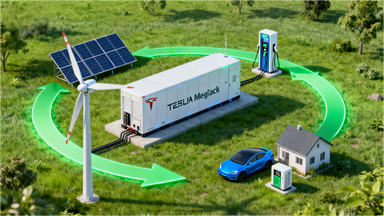
- Grid Storage: Lithium batteries are becoming a key part of renewable energy systems, storing excess solar or wind power for use when the sun isn’t shining or the wind isn’t blowing. Large-scale battery farms (like Tesla’s Megapack) are helping to make the grid more reliable and reduce reliance on fossil fuels.
-
Final Thoughts
Lithium batteries have transformed our world—powering the devices we use daily and enabling the shift to a cleaner, more sustainable future. From their compact design and long lifespan to their role in EVs and renewable energy, they’re more than just a “battery”—they’re a cornerstone of modern technology.
As we look ahead, the future of lithium batteries is bright. With ongoing innovations in energy density, charging speed, and sustainability, they’ll continue to evolve, making our lives easier and the planet healthier. Whether you’re using a smartphone, driving an EV, or powering your home with solar, lithium batteries are working behind the scenes to keep things running.
Do you have questions about lithium batteries—like how to extend your phone’s battery life or what to look for in an EV battery? Drop a comment below—I’d love to share more insights!
what is a lithium battery
solar energy definition
Related Article

In an era where climate change urgency and energy security concerns dominate global conversations, the shift to renewable energy has moved from a "nice-to-have" to a necessity.
green mountain energy

As the global community grapples with climate change, energy security, and rising fossil fuel costs, solar energy has emerged as a beacon of hope in the transition to a cleaner, more sustainable energy system.
pros of solar energy