lithium from battery
2025-12-13

Lithium from Battery: The Hidden Treasure in Your Old Devices
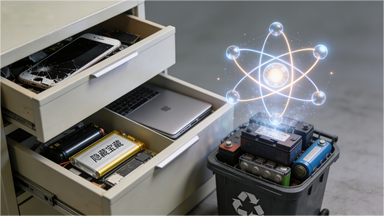
That cracked smartphone in your drawer, the dead laptop battery in the junk closet, or the retired electric car battery sitting in a recycling yard—what do they all hold? More than just e-waste: they’re packed with lithium from battery—a valuable, finite resource that can be rescued, recycled, and reused to power new devices. As the world races to adopt electric vehicles (EVs) and renewable energy, "lithium from battery" is no longer a niche concept—it’s a critical piece of the sustainability puzzle. Let’s dive into how lithium gets trapped in batteries, how we extract it, and why this matters for our planet.

First: Why Lithium in Batteries Is So Valuable
Lithium is the lifeblood of modern batteries. Its unique properties—lightweight, high energy density, and ability to cycle charge/discharge repeatedly—make it irreplaceable for powering smartphones, EVs, and solar storage systems. But here’s the catch: lithium is a finite resource. Most of the world’s lithium comes from mines in Chile, Australia, and China, where extraction is often destructive:
- Lithium brine mining drains groundwater from arid regions, threatening local ecosystems and communities.
- Hard-rock lithium mining requires clear-cutting forests and heavy machinery, leaving scars on the landscape.
Worse, we’re wasting this precious resource. Every year, millions of tons of lithium-ion batteries end up in landfills, where their lithium leaches into soil and water (causing pollution) or sits unused (as demand for new lithium skyrockets). That’s where "lithium from battery" comes in: recovering lithium from spent batteries lets us reduce reliance on mining, cut waste, and create a circular economy for this critical metal.
How Does Lithium Get Trapped in Batteries?
To understand "lithium from battery," let’s first recap how lithium works in a battery (building on what we learned about lithium batteries earlier):
- When a battery is manufactured, lithium ions are embedded in its cathode (positive terminal) and anode (negative terminal).
- Over hundreds of charge-discharge cycles, these ions move back and forth between the electrodes—powering your device.
- When the battery dies (its capacity drops below 80% of its original), the lithium ions are still trapped in the cathode and anode—they just can’t move as efficiently anymore.
The goal of lithium recovery is to extract these trapped ions from the spent battery’s electrodes, purify them, and turn them into a form that can be reused in new batteries. It’s like mining gold from old electronics—except lithium is far more essential for our future.

The Process: How We Extract Lithium from Batteries
Recovering lithium from batteries isn’t easy—spent batteries are complex, with layers of metal, plastic, and toxic chemicals. But modern recycling facilities use three main methods to unlock "lithium from battery":
1. Hydrometallurgy (Wet Process): The Most Common Method
This is the go-to technique for large-scale lithium recovery. Here’s how it works:
- Step 1: Dismantling & Shredding: Spent batteries are first discharged (to avoid fires) and then shredded into small pieces called "black mass"—a mix of lithium, cobalt, nickel, graphite, and plastic.
- Step 2: Leaching: The black mass is soaked in acids (like sulfuric acid) or bases. This chemical reaction dissolves the lithium and other metals into a liquid solution, leaving behind plastic and graphite (which can also be recycled).
- Step 3: Purification: The solution is filtered and treated with chemicals to remove impurities (like iron or aluminum). What’s left is a pure lithium compound (e.g., lithium carbonate or lithium hydroxide).
- Step 4: Reuse: This purified lithium is sold to battery manufacturers, who use it to make new cathodes for EVs, phones, or solar storage systems.
2. Pyrometallurgy (Dry Process): For High-Volume, Low-Impurity Batteries
- How it works: Spent batteries are heated in a furnace at extremely high temperatures (1,000°C+). This melts the metals (lithium, cobalt, nickel) into an alloy, while plastic and electrolyte burn off (or are captured as energy).
- Pros: Fast, handles mixed battery types, and requires less water than hydrometallurgy.
- Cons: Uses a lot of energy (high carbon footprint) and can’t recover lithium as efficiently (some is lost in the ash).
3. Direct Recycling: The Future of "Lithium from Battery"
- How it works: Instead of breaking down the battery into individual metals, direct recycling preserves the cathode’s structure. The black mass is washed, separated, and reprocessed into new cathode materials—without harsh chemicals or high heat.
- Why it’s game-changing: Uses 90% less energy than hydrometallurgy, recovers 95% of lithium (and other metals), and cuts costs. It’s like refurbishing a old chair instead of chopping it up for firewood.
- Current status: Still emerging, but companies like Redwood Materials (founded by a former Tesla executive) and Northvolt are scaling direct recycling facilities.
-
Why "Lithium from Battery" Is Non-Negotiable for Our Future
Recovering lithium from spent batteries isn’t just "green"—it’s necessary. Here’s why:
1. It Cuts Dependence on Destructive Mining
By 2030, global demand for lithium is expected to grow 40x (thanks to EVs and renewable energy). If we rely solely on mining, we’ll destroy millions of acres of land, deplete water sources, and displace indigenous communities. "Lithium from battery" can meet up to 30% of this demand by 2035—if recycling rates improve.
2. It Reduces E-Waste Pollution
Lithium-ion batteries are toxic. When they end up in landfills, their electrolytes leak heavy metals (lithium, cobalt, nickel) into soil and groundwater, poisoning plants, animals, and humans. Recycling keeps these toxins out of the environment—and turns waste into wealth.
3. It’s Economically Smart
Mining new lithium is expensive: it can take 5–10 years to build a mine, and costs rise as easily accessible lithium deposits are depleted. Recycling lithium from batteries, by contrast, has lower upfront costs and shorter lead times. As battery recycling scales, the cost of "lithium from battery" is already falling—making it competitive with mined lithium.
4. It Supports a Circular Economy
A circular economy is one where products are reused, repaired, or recycled—instead of being thrown away. "Lithium from battery" is a cornerstone of this model: a single lithium ion can power a phone, then be recycled into an EV battery, then into a solar storage system, and so on. It’s sustainability in action.

The Current State of Lithium Battery Recycling
For all its benefits, "lithium from battery" is still underutilized. Here’s the hard truth:
- Only 5–10% of global lithium-ion batteries are recycled today. Most end up in landfills, incinerators, or informal recycling operations (where workers extract metals using unsafe methods, like burning batteries).
- Why? Lack of infrastructure (few recycling facilities), low consumer awareness (many people don’t know how to recycle batteries), and outdated regulations (no mandatory recycling laws in most countries).
But change is coming:
- The EU’s new Battery Regulation (effective 2027) requires 70% of lithium to be recovered from EV batteries by 2030.
- The U.S. Inflation Reduction Act (2022) offers tax credits for EV batteries made with recycled lithium.
- Companies like Tesla, Ford, and Volkswagen are building their own battery recycling facilities to secure a steady supply of "lithium from battery."
What You Can Do to Support "Lithium from Battery"
You don’t have to be a CEO or politician to make a difference. Here are 3 simple steps:
1. Recycle Your Spent Batteries—Don’t Trash Them
- Small batteries (phones, laptops, power banks): Drop them off at electronics retailers (Best Buy, Apple Stores), local recycling centers, or mail-back programs (like Call2Recycle).
- Large batteries (EVs, solar storage): If you own an EV, ask your dealer about battery recycling programs (most manufacturers offer take-back services).
2. Choose Devices with Recyclable Batteries
Look for brands that design batteries for easy recycling (e.g., Fairphone, which uses modular batteries) or commit to using recycled lithium (e.g., Tesla’s new 4680 batteries include recycled materials).
3. Spread the Word
Tell your friends and family about "lithium from battery." Many people don’t realize old batteries are valuable—educating others can boost recycling rates.
The Future of Lithium from Battery: What’s Next?
As technology advances, "lithium from battery" will become even more efficient and affordable. Here are two trends to watch:
- On-Site Recycling: Mobile recycling units that can extract lithium from batteries at landfills or EV dealerships—reducing transportation emissions.
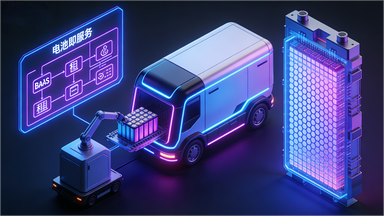
- Battery-as-a-Service (BaaS): Instead of buying a battery with your EV, you rent it. When it dies, the manufacturer reclaims it for recycling—ensuring 100% recovery of lithium.
- Solid-State Batteries: Next-gen batteries that use solid electrolytes (instead of liquid) are easier to recycle—and can hold more lithium, making recovery even more valuable.
-
Final Thoughts: Lithium from Battery Is Our Sustainable Superpower
Lithium is the fuel of the clean energy revolution—but it doesn’t have to come from destroying the planet. "Lithium from battery" turns waste into a resource, cuts pollution, and ensures we can keep powering our lives without depleting Earth’s finite reserves.
The next time you replace your phone or think about buying an EV, remember: that old battery isn’t garbage—it’s a treasure trove of lithium waiting to be reused. By recycling, we’re not just saving lithium—we’re saving the planet.
Do you have questions about battery recycling? Have you ever recycled a lithium battery? Drop a comment below—I’d love to hear your thoughts!
lithium rv batteries
what is a lithium ion battery
Related Article

In an era where climate change urgency and energy security concerns dominate global conversations, the shift to renewable energy has moved from a "nice-to-have" to a necessity.
green mountain energy
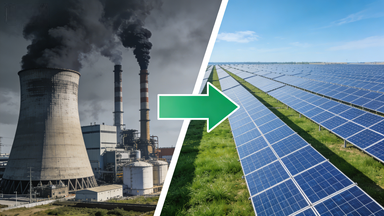
As the global community grapples with climate change, energy security, and rising fossil fuel costs, solar energy has emerged as a beacon of hope in the transition to a cleaner, more sustainable energy system.
pros of solar energy