lithium golf buggy batteries
2025-12-29
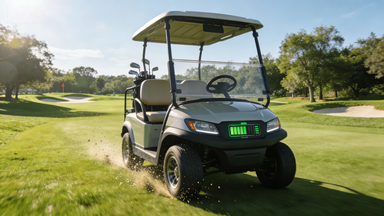
Lithium Golf Buggy Batteries: Transform Your Golfing Experience with Superior Power
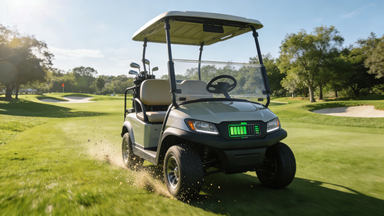
For golfers and golf course managers alike, the golf buggy is more than just a convenience—it’s a vital tool that enhances mobility, preserves energy for the game, and ensures smooth operations on the course. At the heart of every reliable golf buggy lies its battery, and in recent years, lithium golf buggy batteries have emerged as a game-changing upgrade from traditional lead-acid alternatives. Combining lightweight design, long-lasting performance, and low maintenance, these batteries are redefining what golfers can expect from their buggies. Whether you’re a casual golfer looking to elevate your round or a course manager aiming to boost fleet efficiency, this blog explores everything you need to know about lithium golf buggy batteries and why they’re worth the investment.
Why Lithium Golf Buggy Batteries Outperform Traditional Lead-Acid Batteries
Golf buggies have long relied on lead-acid batteries, but these traditional power sources come with inherent limitations that lithium batteries solve. Let’s break down the key advantages that make lithium golf buggy batteries the superior choice for modern golfing needs:
-
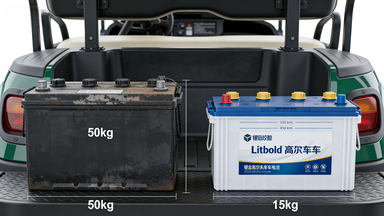
Lightweight Design for Enhanced Maneuverability: One of the most significant benefits of lithium batteries is their high energy density, which means they store more power in a much lighter package. A typical 36V lithium golf buggy battery weighs 50-70% less than a lead-acid battery of the same capacity. For golfers, this translates to easier buggy handling—especially on hilly courses—reduced fatigue, and even better fuel efficiency (for electric buggies). For course managers, lighter batteries mean less wear and tear on buggy frames and motors, extending the lifespan of the entire fleet.
-
Longer Runtime and Consistent Power: Golfers hate being stranded mid-round, and lithium golf buggy batteries eliminate this risk with exceptional runtime. A high-quality lithium battery can power a buggy for 18+ holes on a single charge, even with frequent stops and starts. Unlike lead-acid batteries, which lose power gradually as they discharge, lithium batteries deliver consistent voltage until nearly fully drained. This means your buggy maintains smooth acceleration and performance from the first tee to the 18th green, no matter the course conditions.
-
Extended Lifespan for Lower Long-Term Costs: While lithium golf buggy batteries have a higher upfront cost, their long lifespan makes them more cost-effective over time. A premium lithium battery can endure 1,000+ charge-discharge cycles before its capacity drops to 80% of its original value. In contrast, lead-acid batteries typically only last 300-500 cycles. For course managers with large fleets, this means fewer battery replacements, reduced downtime, and lower maintenance costs. Even casual golfers will benefit from a battery that lasts 3-5 years (or more) instead of needing replacement every 1-2 years.
-
Low Maintenance and Minimal Self-Discharge: Lead-acid batteries require regular maintenance—checking water levels, cleaning terminals, and ensuring proper charging—to avoid premature failure. Lithium golf buggy batteries, on the other hand, are virtually maintenance-free. They don’t require water refills, and their sealed design prevents corrosion. Additionally, lithium batteries have an extremely low self-discharge rate (only 1-2% per month), making them ideal for seasonal use. If you store your buggy during the off-season, a lithium battery will still hold enough charge to power your first round back, whereas a lead-acid battery might be completely drained and damaged.
-
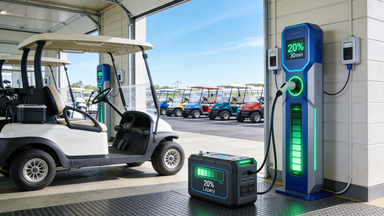
Faster Charging for Maximum Availability: Time is precious on the golf course, and lithium batteries save time with quick charging capabilities. Most lithium golf buggy batteries can charge to 80% capacity in just 30-60 minutes, and a full charge typically takes 2-3 hours—half the time of a lead-acid battery. For course managers, this means faster fleet turnover; buggies can be recharged between rounds and back on the course in no time. For individual golfers, it means you can top up the battery overnight and be ready for an early tee time without waiting hours for a full charge.
Key Factors to Consider When Choosing a Lithium Golf Buggy Battery
Not all lithium golf buggy batteries are created equal. To ensure you select the right battery for your needs, keep these critical factors in mind:
1. Voltage and Capacity (Ah Rating)
Most golf buggies use 36V batteries, which strike the perfect balance between power and efficiency for standard buggy models. When it comes to capacity (measured in ampere-hours, Ah), higher is better for longer runtime. For casual golfers who play 9-18 holes occasionally, an 8-10Ah battery is sufficient. For course managers with fleet buggies that are used all day, a 12-15Ah battery will provide the necessary runtime to avoid mid-shift recharges. Always check your buggy’s specifications to ensure the battery voltage and capacity are compatible.
2. Cell Quality and Brand Reputation
The quality of the lithium-ion cells used in the battery directly impacts performance, safety, and lifespan. Look for batteries made with premium cells from reputable brands like Samsung, LG, or Panasonic. These cells undergo rigorous testing to ensure consistency and reliability, reducing the risk of overheating or thermal runaway. Avoid cheap, generic batteries with unbranded cells—they may be cheaper upfront but are more likely to fail prematurely and pose safety risks.
3. Safety Features
Safety is paramount when it comes to any battery, and lithium golf buggy batteries should come with built-in protection mechanisms. Essential safety features include: overcharge protection (prevents damage from overcharging), over-discharge protection (stops the battery from draining too low), short-circuit protection (prevents fires or explosions), and temperature protection (shuts down the battery if it gets too hot or cold). These features not only protect you and your buggy but also extend the battery’s lifespan.
4. Compatibility with Your Golf Buggy
Before purchasing a lithium battery, confirm it’s compatible with your buggy’s make and model. Check three key aspects: voltage (must match your buggy’s requirements), connector type (the plug must fit your buggy’s port), and physical dimensions (the battery must fit in your buggy’s battery compartment). Some older buggies may require minor modifications to fit a lithium battery, so it’s best to consult the battery manufacturer or your buggy dealer if you’re unsure.
5. Warranty
A strong warranty is a sign of the manufacturer’s confidence in their product. Look for lithium golf buggy batteries with a warranty of at least 2-3 years. This should cover defects in materials or workmanship, as well as premature capacity loss. Be sure to read the warranty terms carefully to understand what’s covered (e.g., accidental damage may not be included) and what steps you need to take to make a claim.
Maintenance Tips to Maximize Your Lithium Golf Buggy Battery’s Lifespan
While lithium golf buggy batteries are low-maintenance, following these simple tips will help you get the most out of your investment:
-
Use a Compatible Charger: Always charge your battery with the charger provided by the manufacturer or a certified replacement. Non-certified chargers may deliver the wrong voltage or current, damaging the battery’s cells and reducing its lifespan. Avoid charging the battery in extreme temperatures (below 0°C or above 40°C), as this can also harm the cells.
-
Avoid Overcharging and Deep Discharging: Even with protection circuits, it’s best to avoid overcharging (don’t leave the battery plugged in for days after it’s fully charged) and deep discharging (don’t let the battery drain completely before recharging). Aim to recharge the battery when its capacity drops to 20-30%—this reduces stress on the cells and extends lifespan.
-
Store Properly During Off-Seasons: If you won’t be using your buggy for an extended period (e.g., winter), store the battery in a cool, dry place (10°C-25°C is ideal). Before storing, charge the battery to 40-60% capacity—this is the optimal level for long-term storage. Avoid storing the battery in a hot car or freezing garage, as extreme temperatures can permanently damage the cells.
-
Keep Terminals Clean: Regularly inspect the battery’s terminals (metal contacts) and clean them if they’re dirty or corroded. Corrosion can interfere with the battery’s connection to the buggy, causing poor performance. Use a dry, soft cloth to wipe away dirt and debris—never use water or harsh chemicals, as they can damage the battery’s casing.
-
Use the Battery Regularly: Lithium batteries perform best when used regularly. If you’re a seasonal golfer, try to use the battery at least once every few months to keep the cells active. This helps maintain capacity and prevents the battery from entering a deep discharge state that’s difficult to recover from.
Are Lithium Golf Buggy Batteries Worth the Investment?
The biggest hesitation for many golfers and course managers is the higher upfront cost of lithium golf buggy batteries. It’s true that a lithium battery can cost 2-3 times more than a lead-acid battery. However, when you consider the long-term benefits, the investment is well worth it.
For course managers, lithium batteries reduce maintenance costs, minimize downtime (faster charging, longer lifespan), and lower replacement frequency—all of which translate to higher operational efficiency and profitability. For casual golfers, the benefits are equally compelling: no more mid-round battery failures, easier buggy handling, and a battery that lasts for years without needing replacement. Additionally, lithium batteries are more environmentally friendly than lead-acid batteries—they contain no toxic lead, are more energy-efficient to produce, and reduce landfill waste due to their longer lifespan.
If you’re tired of dealing with heavy, high-maintenance lead-acid batteries that leave you stranded or cost you money in frequent replacements, a lithium golf buggy battery is a smart upgrade that will enhance your golfing experience for years to come.
Conclusion
Lithium golf buggy batteries have set a new standard for power, reliability, and convenience in the golfing world. Their lightweight design, long runtime, extended lifespan, and low maintenance make them the ideal choice for anyone looking to upgrade their golf buggy. By choosing the right battery (based on voltage, capacity, and safety features) and following simple maintenance tips, you can ensure your battery delivers consistent performance round after round.
Whether you’re a golf course manager looking to optimize your fleet or a golfer who wants to focus on the game instead of worrying about battery life, lithium golf buggy batteries are more than just a power source—they’re an investment in a better golfing experience. Make the switch today and feel the difference for yourself.
rv lithium battery
48 volt lithium battery
Related Article

In an era where climate change urgency and energy security concerns dominate global conversations, the shift to renewable energy has moved from a "nice-to-have" to a necessity.
green mountain energy

As the global community grapples with climate change, energy security, and rising fossil fuel costs, solar energy has emerged as a beacon of hope in the transition to a cleaner, more sustainable energy system.
pros of solar energy