lithium ion batteries for solar
2025-12-24
Lithium Ion Batteries for Solar: The Ideal Energy Storage Solution
As the world shifts toward renewable energy sources, solar power has emerged as a cornerstone of sustainable energy systems. However, the intermittent nature of sunlight—dependent on time of day, weather, and season—poses a significant challenge: how to store excess energy generated during peak sunlight hours for use when the sun isn’t shining. This is where energy storage solutions come into play, and among them, lithium-ion batteries have established themselves as the gold standard for solar energy storage. Combining high efficiency, long lifespan, and compact design, lithium-ion batteries for solar systems bridge the gap between solar energy generation and consumption, making renewable energy more reliable and accessible than ever before. In this blog, we’ll explore why lithium-ion batteries are the top choice for solar storage, their key benefits, common applications, and essential tips for choosing and maintaining them.

Why Lithium Ion Batteries Are Perfect for Solar Energy Storage
Solar energy storage requires a battery that can efficiently capture, store, and release energy, while withstanding the cyclic nature of daily charging (from solar panels) and discharging (for household or commercial use). Lithium-ion batteries excel in all these areas, outperforming traditional storage options like lead-acid batteries in several critical ways:
1. High Energy Density
Energy density—measured in watt-hours per kilogram (Wh/kg)—refers to how much energy a battery can store relative to its weight. Lithium-ion batteries boast significantly higher energy density than lead-acid batteries (typically 100-265 Wh/kg for lithium-ion vs. 30-40 Wh/kg for lead-acid). For solar systems, this means lithium-ion batteries can store more energy in a smaller, lighter package. This is particularly advantageous for residential installations where space is limited (e.g., rooftop solar setups) or for off-grid applications like camping or remote cabins, where portability matters. A compact lithium-ion battery bank takes up less space in a garage or utility room while providing the same or greater storage capacity as a bulkier lead-acid system.
2. Long Cycle Life
Cycle life is the number of charge-discharge cycles a battery can undergo before its capacity drops to 80% of its original value— a key metric for solar storage, which relies on daily cycling. High-quality lithium-ion batteries offer a cycle life of 1,000 to 5,000 cycles (depending on the cell type and usage), compared to just 300-500 cycles for lead-acid batteries. For a typical solar system that cycles once per day, a lithium-ion battery could last 3-15 years, while a lead-acid battery might need replacement every 1-2 years. This extended lifespan not only reduces long-term maintenance costs but also aligns with the 25-30 year lifespan of most solar panels, ensuring a cohesive and cost-effective energy system.
3. High Charging and Discharging Efficiency
Efficiency is crucial for solar storage, as it determines how much of the energy generated by solar panels is actually usable. Lithium-ion batteries have excellent charge-discharge efficiency, typically between 90-95%, meaning only 5-10% of the stored energy is lost during charging and discharging. In contrast, lead-acid batteries have efficiencies of 70-85%, resulting in more energy waste. For solar users, this higher efficiency translates to more usable energy for powering homes or businesses, maximizing the return on investment in solar panels.
4. Low Self-Discharge Rate
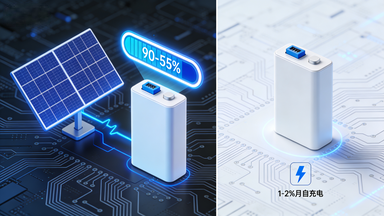
Self-discharge is the rate at which a battery loses charge when not in use— a critical factor for solar systems that may need to store energy for days (e.g., during cloudy weather). Lithium-ion batteries have an extremely low self-discharge rate, losing only 1-2% of their charge per month, compared to 5-10% per month for lead-acid batteries. This means lithium-ion batteries can hold their charge for extended periods, ensuring energy is available when needed most. For off-grid solar systems, this reliability is a game-changer, eliminating the risk of running out of power during prolonged periods of low sunlight.
5. Deep Discharge Capability
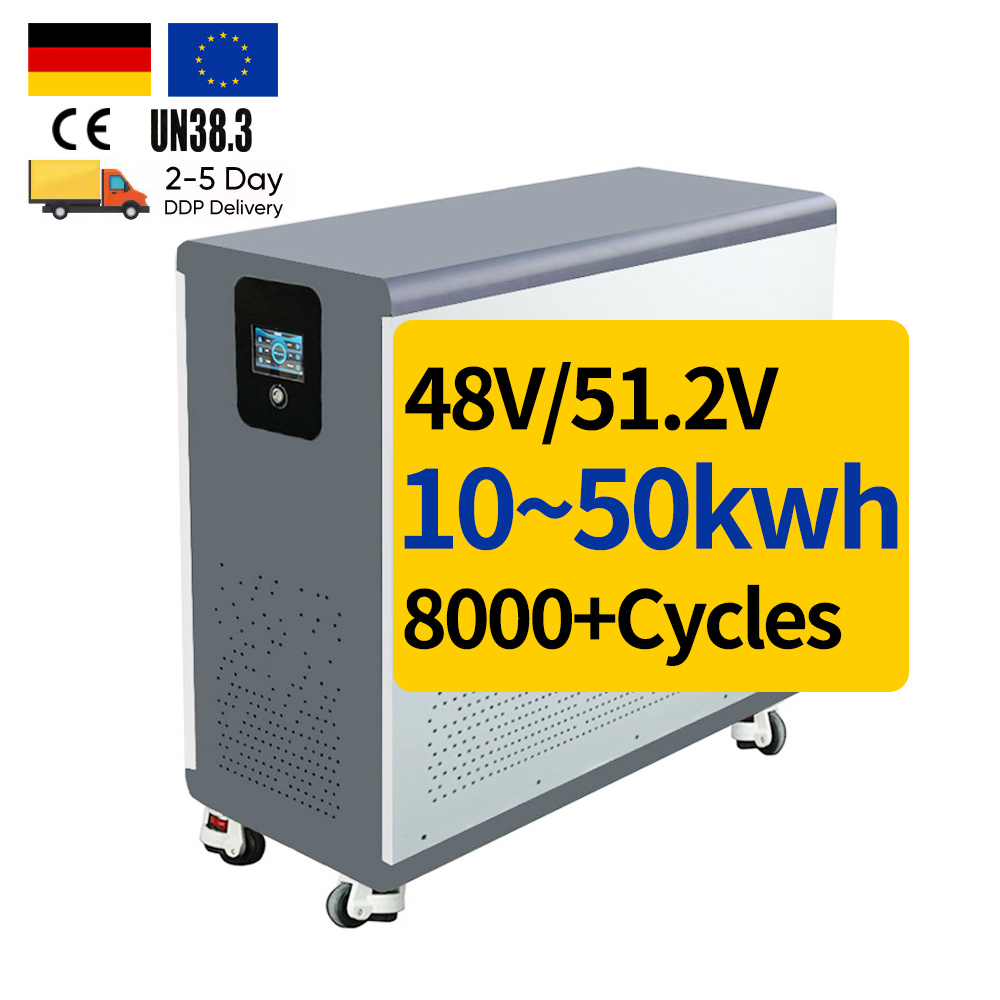
Deep discharge capability refers to how much of a battery’s capacity can be used before damaging the cells. Lithium-ion batteries can safely discharge up to 80-90% of their capacity, while lead-acid batteries are limited to 50-60% (discharging beyond this significantly shortens their lifespan). This means a lithium-ion battery with the same capacity as a lead-acid battery can provide more usable energy, reducing the need for oversized battery banks. For example, a 10kWh lithium-ion battery can deliver 8-9kWh of usable energy, while a 10kWh lead-acid battery can only deliver 5-6kWh.

Common Applications of Lithium Ion Batteries for Solar
Lithium-ion batteries for solar are versatile, catering to a wide range of residential, commercial, and industrial needs. Below are the most common applications:
1. Residential Solar Energy Storage
For homeowners with rooftop solar panels, lithium-ion battery storage systems (e.g., Tesla Powerwall, LG Chem RESU) allow them to store excess energy generated during the day for use at night, reducing reliance on the grid. This not only lowers electricity bills but also provides backup power during grid outages. Many residential systems are designed to be modular, allowing homeowners to expand storage capacity as needed (e.g., adding more batteries if they install additional solar panels or adopt electric vehicles).
2. Commercial and Industrial (C&I) Solar Projects
Businesses and industrial facilities with large solar installations (e.g., warehouse rooftops, solar farms) use lithium-ion battery banks to manage peak energy demand, reduce demand charges (fees based on the highest amount of energy used at any time), and provide backup power. For example, a manufacturing plant can use stored solar energy during peak hours (when grid electricity is most expensive) to lower operational costs. Lithium-ion batteries are ideal for C&I applications due to their scalability, long lifespan, and ability to handle high charge-discharge rates.
3. Off-Grid Solar Systems
Off-grid solar systems—used in remote areas without access to the electrical grid (e.g., rural homes, cabins, camping sites, remote workstations)—rely entirely on battery storage. Lithium-ion batteries are the preferred choice here due to their high energy density, low self-discharge rate, and long cycle life. They can power essential appliances (refrigerators, lights, communication devices) for days or weeks, depending on storage capacity and energy usage, making off-grid living or work feasible.
4. Microgrids
Microgrids are localized energy systems that combine solar panels, wind turbines, and battery storage to power communities, campuses, or military bases. Lithium-ion batteries play a critical role in microgrids by stabilizing energy supply, balancing demand, and ensuring reliability. For example, a university campus with a microgrid can use stored solar energy during peak class hours and sell excess energy back to the grid during off-peak hours, generating additional revenue.

Tips for Choosing and Maintaining Lithium Ion Batteries for Solar
To get the most out of your solar lithium-ion battery system, it’s essential to choose the right battery for your needs and follow proper maintenance practices. Below are key considerations and tips:
Key Factors to Consider When Choosing
-
Battery Type: Not all lithium-ion batteries are the same. The most common types for solar storage are Lithium Iron Phosphate (LiFePO4) and Lithium Nickel Manganese Cobalt Oxide (NCM). LiFePO4 batteries are preferred for solar applications due to their longer cycle life (up to 5,000 cycles), higher safety (resistant to thermal runaway), and better performance in extreme temperatures. NCM batteries have higher energy density but shorter cycle life and lower thermal stability.
-
Capacity (kWh Rating): Capacity, measured in kilowatt-hours (kWh), indicates how much energy the battery can store. When choosing, calculate your daily energy usage (in kWh) and consider how many days of backup power you need (e.g., 2 days of backup for residential use). This will help you determine the required capacity. For example, if your daily usage is 10kWh and you need 2 days of backup, you’ll need a 20kWh battery bank.
-
Power Rating (kW): Power rating, measured in kilowatts (kW), indicates how much power the battery can deliver at once. This is important if you have high-power appliances (e.g., air conditioners, electric water heaters) that need to be powered during outages. Ensure the battery’s power rating matches or exceeds the total power demand of your critical appliances.
-
Safety Features: Look for batteries with built-in safety mechanisms, including overcharge protection, over-discharge protection, short-circuit protection, temperature protection, and voltage protection. These features prevent battery damage and reduce the risk of fires or explosions. LiFePO4 batteries inherently have better safety features than other lithium-ion types.
-
Compatibility: Ensure the battery is compatible with your solar inverter (the device that converts DC power from solar panels to AC power for use in your home/business). Most solar inverters are compatible with lithium-ion batteries, but it’s always best to check with the manufacturer to avoid compatibility issues.
-
Warranty: A good warranty is a sign of quality. Look for lithium-ion batteries with a warranty of 5-10 years or a specified number of cycles (e.g., 10,000 cycles). This covers defects in materials or workmanship and premature capacity loss. Be sure to read the warranty terms carefully to understand what’s covered.
Maintenance Tips to Maximize Lifespan
-
Use a Compatible Charger/Inverter: Always use the charger or inverter recommended by the battery manufacturer. Non-compatible chargers may deliver incorrect voltage or current, damaging the battery cells and reducing lifespan. Avoid cheap, generic inverters that don’t meet safety standards.
-
Avoid Extreme Temperatures: Lithium-ion batteries perform best at temperatures between 15°C and 35°C (59°F and 95°F). Extreme heat (e.g., direct sunlight in a hot garage) or extreme cold (e.g., unheated basements in winter) can damage cells and permanently reduce capacity. If possible, install the battery in a temperature-controlled area or use thermal insulation.
-
Avoid Overcharging and Deep Discharging: While most lithium-ion batteries have protection circuits, it’s best to avoid overcharging (leaving the battery plugged in after it’s fully charged) and deep discharging (using more than 80-90% of capacity). Recharge the battery before it drops below 20% capacity to reduce stress on the cells.
-
Store Properly (If Not in Use): If you need to store the battery for an extended period (e.g., during a long vacation), store it at 40-60% capacity in a cool, dry place. Avoid storing it fully charged or fully discharged, as this can damage the cells.
-
Regularly Inspect and Clean: Inspect the battery bank regularly for signs of damage (e.g., cracks, leaks, bulging) and clean the terminals with a dry, soft cloth to remove dirt and corrosion. Corrosion can interfere with the battery’s connection to the inverter, causing poor performance.
Are Lithium Ion Batteries for Solar Worth the Investment?
One of the most common questions about lithium-ion batteries for solar is whether their higher upfront cost is justified. It’s true that lithium-ion batteries are more expensive than lead-acid batteries (typically 2-3 times more costly upfront). However, when you consider their longer lifespan, higher efficiency, and lower maintenance costs, they offer superior long-term value.
For residential users, the ability to reduce grid reliance, lower electricity bills, and have backup power during outages makes lithium-ion batteries a worthwhile investment. Over time, the savings on electricity bills can offset the upfront cost. For commercial and industrial users, the ability to reduce demand charges and generate revenue from net metering (selling excess energy back to the grid) further enhances the return on investment.
Additionally, lithium-ion batteries are more environmentally friendly than lead-acid batteries. They contain no toxic lead, are more energy-efficient to produce, and have a longer lifespan—reducing the number of batteries that end up in landfills. For eco-conscious consumers and businesses, this is an added benefit that aligns with the sustainability goals of solar energy.

Conclusion
Lithium-ion batteries have revolutionized solar energy storage, making renewable energy more reliable, efficient, and accessible. Their high energy density, long cycle life, high efficiency, and low self-discharge rate make them the ideal choice for residential, commercial, and off-grid solar systems. By choosing the right battery type (e.g., LiFePO4) and following proper maintenance practices, you can ensure your solar lithium-ion battery system delivers reliable performance for decades.
As the world continues to transition to renewable energy, lithium-ion batteries for solar will play an increasingly critical role in creating a sustainable, resilient energy future. Whether you’re a homeowner looking to reduce your carbon footprint and electricity bills, a business aiming to lower operational costs, or an off-grid user seeking reliable power, a lithium-ion battery storage system is a smart, long-term investment that complements the power of the sun.
solar lithium ion battery
home solar and battery
Related Article
In an era where climate change urgency and energy security concerns dominate global conversations, the shift to renewable energy has moved from a "nice-to-have" to a necessity.
green mountain energy
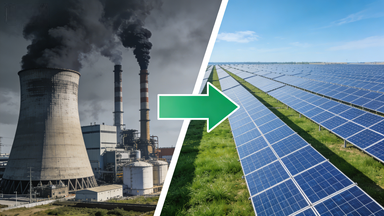
As the global community grapples with climate change, energy security, and rising fossil fuel costs, solar energy has emerged as a beacon of hope in the transition to a cleaner, more sustainable energy system.
pros of solar energy