lithium ion batteries
2025-12-11
Lithium-Ion Batteries: The Unsung Hero Powering Modern Life
Grab your smartphone, fire up your laptop, or glance at the electric car parked on the street—chances are, all of these run on the same game-changing technology: lithium-ion (Li-Ion) batteries. Since their commercial launch in the 1990s, Li-Ion batteries have revolutionized how we live, work, and move. But what exactly is a lithium-ion battery, and why has it become the gold standard for portable and large-scale energy storage? Let’s unpack everything you need to know about this versatile powerhouse.

1. Defining the Lithium-Ion Battery: What Sets It Apart?
A lithium-ion battery is a rechargeable electrochemical cell that stores and releases energy through the reversible movement of lithium ions between two electrodes—an anode (negative terminal) and a cathode (positive terminal)—via a liquid electrolyte.
What makes Li-Ion batteries stand out from older chemistries (like nickel-cadmium or lead-acid)? Three core design choices:
- Lithium as the Charge Carrier: Lithium is the lightest metal on the periodic table and has an extremely high electrochemical potential, meaning it can carry more energy per unit of weight or volume.
- Liquid Electrolyte: Unlike solid-state or polymer-based lithium batteries, Li-Ion uses a liquid electrolyte (typically a lithium salt dissolved in an organic solvent) to enable fast ion flow—critical for quick charging and high power output.
- Intercalation Electrodes: Instead of lithium metal (which is unstable), Li-Ion batteries use "intercalation" materials: the anode is usually graphite (carbon layers where lithium ions nestle), and the cathode is a lithium-based compound (e.g., lithium cobalt oxide, lithium nickel manganese cobalt oxide, or NMC).
This design eliminates the "memory effect" (a flaw in older batteries that reduced capacity if not fully discharged) and delivers an unbeatable combination of energy density, lifespan, and portability.
2. How Lithium-Ion Batteries Work: A Simplified Breakdown
You don’t need a chemistry PhD to understand the basics—let’s walk through the two key cycles: charging and discharging.
Charging: Storing Energy
When you plug your phone or EV into a charger:
- The external power source pushes lithium ions from the cathode (positive terminal) through the liquid electrolyte.
- The ions "intercalate" (slide into) the layers of the graphite anode, where they’re safely stored.
- Electrons flow through the external circuit (powering the charger’s LED, for example) to balance the charge.
- Think of this as packing tiny energy "boulders" (lithium ions) into a storage bin (the anode).
Discharging: Releasing Energy
When you use your device:
- The stored lithium ions flow back through the electrolyte to the cathode.
- As ions move, electrons are forced through the external circuit—this is the electric current that powers your phone, laptop, or car motor.
- Once most ions return to the cathode, the battery’s charge is depleted, and it’s time to recharge.
Why Li-Ion Batteries Degrade Over Time
Every charge-discharge cycle causes tiny amounts of damage:
- The graphite anode’s layers can crack, reducing its ability to hold ions.
- The cathode material slowly breaks down, losing capacity.
- The electrolyte degrades, slowing ion flow (which is why old batteries charge slower).
- Most Li-Ion batteries retain 80% of their original capacity after 300–1,000 cycles—enough to last 2–5 years for a smartphone, or 8–10 years for an EV.
3. Key Advantages of Lithium-Ion Batteries
Li-Ion’s dominance isn’t by accident—here’s why it outperforms other battery chemistries:
High Energy Density
This is Li-Ion’s superpower. Energy density (measured in Wh/kg, or watt-hours per kilogram) tells you how much energy a battery can store relative to its weight.
- A Li-Ion battery has 2–3x the energy density of nickel-cadmium (NiCd) batteries.
- For EVs, this means a 1,000-lb Li-Ion battery can power a car 300+ miles—something a lead-acid battery (the size of a small fridge) could never do.
No Memory Effect
Older NiCd batteries suffered from "memory": if you charged them before they were fully discharged, they’d "forget" their full capacity. Li-Ion batteries have no such issue—you can top them up for 10 minutes or charge them to 80% without damaging long-term performance.
Lightweight & Compact
Lithium’s low density makes Li-Ion batteries incredibly light. A smartphone battery weighs just 30–50 grams, while a laptop battery (powering 8+ hours of use) is under 500 grams. This portability is why we have slim phones, lightweight laptops, and foldable devices today.
Fast Charging Capability
Modern Li-Ion batteries support "fast charging" (e.g., 25W for phones, 350kW for EVs). A Tesla Model 3 can charge to 80% in 25 minutes with a Supercharger—thanks to Li-Ion’s ability to handle high current flow without overheating (when designed properly).z

4. Where Lithium-Ion Batteries Rule
Li-Ion’s versatility means it’s everywhere—here are the most common applications:
Consumer Electronics
- Smartphones (iPhone, Samsung Galaxy)
- Laptops (MacBook, Dell XPS)
- Tablets, e-readers (Kindle), and gaming consoles (Nintendo Switch)
- Wireless earbuds (AirPods, Sony WH-1000XM5)
- Power banks and portable chargers
Transportation
- Electric vehicles (Tesla, Ford Mustang Mach-E, Hyundai Ioniq)
- Hybrid electric vehicles (Toyota Prius, Honda Insight)
- E-bikes, e-scooters (Bird, Lime), and electric motorcycles (Zero Motorcycles)
- Drones (DJI Mavic)
Energy Storage
- Home solar systems (Tesla Powerwall, SonnenBatterie)
- Grid-scale storage (to balance wind and solar power—e.g., California’s Moss Landing Energy Storage Facility)
- Backup power for data centers and hospitals
Medical Devices
- Portable oxygen concentrators
- Insulin pumps
- Portable defibrillators
- Wearable health monitors (Apple Watch, Fitbit)
-
5. Practical Tips to Extend Your Li-Ion Battery’s Life
Want your phone/laptop/EV battery to last longer? Follow these science-backed tips:
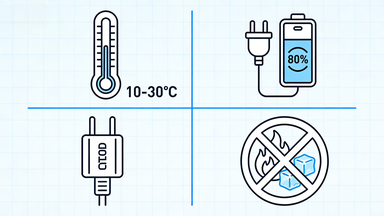
Avoid Extreme Temperatures
Li-Ion batteries hate heat and cold.
- Don’t leave your phone in a hot car (temperatures above 113°F/45°C permanently damage capacity).
- Avoid charging in freezing conditions (below 32°F/0°C)—it can cause lithium plating (a dangerous buildup of lithium metal on the anode).
Don’t Charge to 100% (or Discharge to 0%)
Constantly charging to 100% or draining to 0% stresses the battery.
- For daily use: Charge your phone/laptop to 80–90% and stop at 20–30% before recharging.
- For EVs: Use "daily charging limits" (most EVs let you set this in the app) to cap charging at 80%.
Use Official Chargers
Cheap, uncertified chargers can deliver unstable voltage, which damages Li-Ion batteries over time. Stick to chargers from the device manufacturer (e.g., Apple, Samsung) or reputable brands (Anker, Belkin).
Avoid Overcharging
Modern devices have built-in safeguards to stop charging once full, but leaving your phone plugged in overnight (especially in a hot case) can still cause mild overheating. Use smart plugs to cut power once charged.
6. Safety & Sustainability: Myths vs. Facts
Li-Ion batteries are safe when designed and used correctly—but myths and misconceptions abound. Let’s set the record straight:
Safety Myths Debunked
- Myth: Li-Ion batteries explode easily.
Fact: Explosions are extremely rare and almost always caused by damage (e.g., puncturing the battery), overcharging with a faulty charger, or manufacturing defects. Reputable brands (Apple, Tesla) use safety features like thermal sensors and pressure relief valves to prevent this.
- Myth: You should fully discharge your Li-Ion battery once a month.
Fact: This is a holdover from NiCd batteries. Fully discharging Li-Ion batteries can actually shorten their lifespan by stressing the electrodes.
Sustainability: The Challenge of Recycling
Li-Ion batteries are not biodegradable, and their raw materials (lithium, cobalt, nickel) are finite. The good news?
- Recycling Works: Advanced recycling facilities can recover 95% of lithium, cobalt, and nickel from old batteries—these materials can be reused to make new batteries.
- Recycling Rates Are Improving: In 2020, only 5% of Li-Ion batteries were recycled globally, but countries like the EU and US are implementing mandatory recycling programs (e.g., California’s Battery Recycling Act).
- Eco-Friendly Innovations: Companies are developing "cobalt-free" Li-Ion batteries and improving recycling tech to make the process cheaper and more efficient.
7. The Future of Lithium-Ion Batteries
Li-Ion batteries aren’t perfect—but researchers are working on game-changing upgrades:
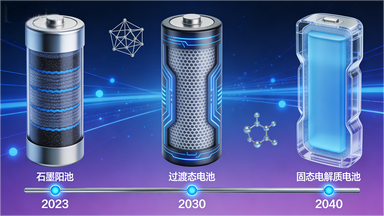
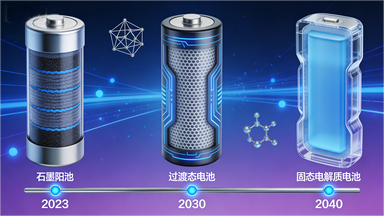
- Silicon Anodes: Replacing graphite with silicon (which can hold 10x more lithium ions) could boost energy density by 30–50%, extending EV range to 500+ miles.
- Solid-State Electrolytes: Replacing liquid electrolytes with solid materials could make batteries safer (no fire risk) and faster-charging (10-minute full charges for EVs).
- Longer Lifespans: New cathode materials (like lithium manganese iron phosphate, or LMFP) could double battery lifespan to 2,000+ cycles.
These innovations will keep Li-Ion batteries at the forefront of clean energy and portable tech for decades to come.

Final Thoughts: Li-Ion Batteries = Progress
Lithium-ion batteries are more than just power sources—they’re enablers of progress. They’ve made smartphones indispensable, electric cars affordable, and renewable energy reliable. By understanding how they work and how to care for them, we can get the most out of this technology while minimizing its environmental impact.
Do you have questions about Li-Ion batteries? Want to know how to fix a slow-charging phone or what’s next for EV battery tech? Drop a comment below—I’d love to hear from you!
lithium batteries
12v lithium battery
Related Article
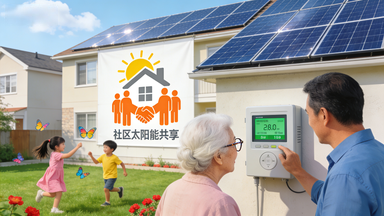
In an era where climate change urgency and energy security concerns dominate global conversations, the shift to renewable energy has moved from a "nice-to-have" to a necessity.
green mountain energy
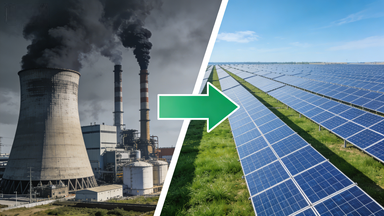
As the global community grapples with climate change, energy security, and rising fossil fuel costs, solar energy has emerged as a beacon of hope in the transition to a cleaner, more sustainable energy system.
pros of solar energy