lithium ion battery
2025-11-14
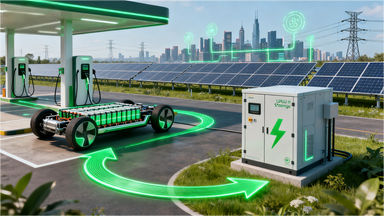
Lithium - Ion Batteries: Powering Our Modern Lives, Explained
Walk into any room, and you’ll likely find at least half a dozen devices running on lithium - ion batteries. From the smartphone in your pocket and the laptop on your desk to electric vehicles (EVs) on the road and even the backup power systems keeping hospitals running during outages, lithium - ion (Li - ion) batteries have become the backbone of our digital and sustainable world. But what makes them so popular? How do they work? And how can you make the most of their lifespan? Let’s dive into everything you need to know about this game - changing technology.

What Is a Lithium - Ion Battery, and How Does It Work?
At its core, a lithium - ion battery is a rechargeable energy storage device that uses lithium ions to transfer energy between two electrodes: a positive cathode and a negative anode, separated by an electrolyte. Here’s a simplified breakdown of its operation:
- Charging Phase: When you plug in your device, an electric current pushes lithium ions from the cathode (usually made of materials like lithium cobalt oxide or lithium iron phosphate) through the electrolyte and into the anode (typically graphite). The anode stores these ions until the battery is needed.
- Discharging Phase: When you use your device (e.g., making a call, driving an EV), the lithium ions flow back from the anode to the cathode through the electrolyte. This movement of ions creates an electric current that powers the device.
Unlike older battery technologies (such as nickel - cadmium), lithium - ion batteries don’t suffer from “memory effect” — a problem where batteries lose capacity if they’re not fully discharged before recharging. This makes them incredibly convenient for daily use.

Why Lithium - Ion Batteries Dominate the Market
There are several key reasons why lithium - ion batteries have become the go - to choice for consumers and industries alike:
1. High Energy Density
Energy density refers to how much energy a battery can store relative to its weight and size. Lithium - ion batteries have one of the highest energy densities of any rechargeable battery technology. For example, a typical Li - ion battery can store up to 200 - 300 watt - hours per kilogram (Wh/kg), which is significantly more than nickel - metal hydride (NiMH) batteries (around 100 - 150 Wh/kg). This means devices can run longer on a single charge — think a smartphone that lasts all day or an EV that can drive 300 + miles per charge.
2. Low Self - Discharge Rate
Have you ever left a battery - powered device unused for a few weeks, only to find it dead? That’s due to self - discharge, where a battery loses charge even when not in use. Lithium - ion batteries have a very low self - discharge rate, losing only about 1 - 2% of their charge per month (compared to 20% or more for NiMH batteries). This makes them ideal for devices like cameras or portable speakers that aren’t used every day.
3. Rechargeable and Long - Lasting
Most lithium - ion batteries can be recharged 300 - 500 times (or more, depending on usage and care) before their capacity drops to around 80% of their original level. For the average user, this translates to 2 - 3 years of reliable use for a smartphone or laptop battery.
4. Lightweight and Compact
Thanks to their high energy density, lithium - ion batteries can deliver a lot of power without being bulky or heavy. This is a game - changer for portable devices — imagine carrying a laptop with a heavy NiMH battery, or an EV that weighs thousands of pounds more due to less efficient batteries.

Common Uses of Lithium - Ion Batteries
The versatility of lithium - ion batteries means they’re used in a wide range of applications, from small electronics to large - scale energy systems:
- Consumer Electronics: Smartphones, laptops, tablets, smartwatches, wireless headphones, and digital cameras all rely on Li - ion batteries for their portability and long battery life.
- Electric Vehicles (EVs) and Hybrid Electric Vehicles (HEVs): Automakers like Tesla, Toyota, and Ford use lithium - ion batteries in their EVs and HEVs because they can store enough energy to power the vehicle for long distances and recharge quickly.
- Renewable Energy Storage: Solar panels and wind turbines generate energy intermittently (only when the sun is shining or the wind is blowing). Lithium - ion batteries are used to store this excess energy, ensuring a steady supply of electricity even when renewable sources aren’t active.
- Medical Devices: Devices like pacemakers, insulin pumps, and portable oxygen concentrators use Li - ion batteries because they’re reliable, long - lasting, and small enough to fit inside the device.
How to Extend the Lifespan of Your Lithium - Ion Battery
While lithium - ion batteries are durable, their lifespan can be shortened by poor usage habits. Here are some simple tips to keep your battery healthy for longer:
1. Avoid Extreme Temperatures
Lithium - ion batteries are sensitive to heat and cold. High temperatures (above 35°C / 95°F) can damage the battery’s electrodes and reduce capacity, while cold temperatures (below 0°C / 32°F) can temporarily slow down ion flow, leading to shorter battery life. Avoid leaving your devices in direct sunlight (e.g., in a hot car) or in freezing conditions.
2. Don’t Overcharge or Fully Discharge (Most of the Time)
Contrary to popular belief, you don’t need to fully discharge your lithium - ion battery before recharging. In fact, keeping the battery between 20% and 80% charge is optimal for long - term health. Most modern devices (like smartphones and laptops) have built - in protections to prevent overcharging, but it’s still a good idea to unplug them once they’re fully charged.
3. Use the Right Charger
Always use the charger that comes with your device (or a certified replacement). Using an incompatible charger can cause the battery to overheat, charge too quickly, or even fail. For example, charging a smartphone with a laptop charger that has a higher voltage can damage the battery over time.
4. Store Batteries Properly When Not in Use
If you’re not going to use a device for an extended period (e.g., a spare camera or a seasonal EV), store the battery at around 50% charge in a cool, dry place. Storing a battery at full charge for a long time can lead to capacity loss, while storing it at empty can cause it to become “dead” and unrechargeable.

As demand for clean energy and portable devices grows, researchers are working to make lithium - ion batteries even better. Some of the most exciting developments include:
- Higher Energy Density: New electrode materials (like silicon instead of graphite) could allow Li - ion batteries to store 2 - 3 times more energy, extending the range of EVs to 500 + miles and making smartphones last for days on a single charge.
- Faster Charging: Companies like Tesla and ChargePoint are developing fast - charging technologies that can charge an EV battery to 80% in 15 - 30 minutes — about the same time it takes to fill up a gas tank.
- Sustainability: Currently, most lithium - ion batteries end up in landfills, where they can leak toxic chemicals. Researchers are working on ways to recycle more of the battery’s components (like lithium, cobalt, and nickel) to reduce waste and lower the cost of production.
While there are other battery technologies in development (such as solid - state batteries), lithium - ion batteries are expected to remain dominant for at least the next decade due to their maturity, cost - effectiveness, and continuous improvements.
Final Thoughts
Lithium - ion batteries have revolutionized the way we live, work, and travel. They power our most essential devices, enable the shift to clean energy, and make technologies like EVs and renewable energy storage possible. By understanding how they work and how to care for them, you can get the most out of your lithium - ion battery - powered devices and contribute to a more sustainable future.
Do you have questions about lithium - ion batteries — like how to recycle an old battery or which type is best for your EV? Leave a comment below, and I’ll be happy to share more insights!
lithium battery and
lifepo4 lithium battery
Related Article

In an era where climate change urgency and energy security concerns dominate global conversations, the shift to renewable energy has moved from a "nice-to-have" to a necessity.
green mountain energy

As the global community grapples with climate change, energy security, and rising fossil fuel costs, solar energy has emerged as a beacon of hope in the transition to a cleaner, more sustainable energy system.
pros of solar energy