lithium iron phosphate batteries
2025-12-17
Lithium Iron Phosphate Batteries: The Unsung Hero Powering Our Sustainable Future
If you’ve shopped for an electric vehicle (EV), researched home energy storage, or even noticed the rise of electric scooters in your city, you’ve probably encountered the term “lithium iron phosphate battery” (often shortened to LFP battery). While lithium-ion batteries get most of the hype, LFP batteries have quietly become a workhorse in the clean energy revolution—thanks to their unmatched safety, long lifespan, and cost-effectiveness. Let’s dive into what makes these batteries special, where they’re being used, and why they’re critical to our transition away from fossil fuels.


What Are Lithium Iron Phosphate Batteries?
First, a quick chemistry refresher (don’t worry, it’s simple!). Unlike traditional lithium-ion batteries (which use materials like cobalt or nickel in their cathodes), LFP batteries use a cathode made of lithium iron phosphate (LiFePO₄). This seemingly small difference in materials is what drives their unique advantages. The anode (the other side of the battery) is typically made of graphite, similar to many lithium-ion batteries, but the cathode’s composition is the game-changer here.
The Core Advantages of LFP Batteries
Why are manufacturers and consumers increasingly choosing LFP batteries over other lithium-ion alternatives? Let’s break down their biggest strengths:
1. Unbeatable Safety
Safety is perhaps the most significant selling point of LFP batteries. Unlike cobalt-based lithium-ion batteries, which are prone to thermal runaway (a dangerous chain reaction that can cause fires or explosions if damaged, overcharged, or overheated), LFP batteries have exceptional thermal stability. Their chemical structure is more stable, meaning they can withstand higher temperatures (up to 600°C!) and are far less likely to catch fire—even in extreme conditions like collisions or short circuits. This makes them ideal for applications where safety is non-negotiable, like EVs, home 储能 (energy storage), and medical devices.
2. Long Cycle Life
Another major advantage is their impressive lifespan. A “cycle” refers to one full charge and discharge of the battery. While standard lithium-ion batteries might last 1,000–2,000 cycles before their capacity drops to 80% of the original, LFP batteries can easily reach 3,000–5,000 cycles—some even up to 10,000 with proper care! For context, if you drive an EV 100 miles per day and charge it nightly, an LFP battery could last 8–14 years before needing replacement. For home energy storage systems (which cycle less frequently), an LFP battery could last 15–20 years. This long lifespan not only saves money in the long run but also reduces waste, making LFP batteries more environmentally friendly.
3. Cost-Effectiveness
Cobalt and nickel—key materials in traditional lithium-ion batteries—are rare, expensive, and often sourced from conflict zones. In contrast, iron and phosphate (the main components of LFP cathodes) are abundant and low-cost. This has made LFP batteries significantly cheaper to produce: as of 2024, LFP battery cells cost roughly 20–30% less per kilowatt-hour (kWh) than nickel-cobalt-aluminum (NCA) or nickel-manganese-cobalt (NMC) batteries. This cost advantage is a big reason why budget-friendly EVs (like the Tesla Model 3 Standard Range and 比亚迪 BYD Atto 3) and entry-level electric scooters now use LFP batteries. It’s also driving the growth of grid-scale energy storage, where cost per kWh is a critical factor.
4. Better Performance in Extreme Temperatures
LFP batteries perform reliably in both high and low temperatures. Unlike other lithium-ion batteries, which lose significant capacity in cold weather (think: your phone dying faster in winter), LFP batteries retain more of their charge in freezing temperatures. They also handle heat better, making them perfect for regions with hot climates (like Arizona or India) where other batteries might degrade faster. This versatility expands their use case across the globe, regardless of weather conditions.

Where Are LFP Batteries Being Used?
LFP batteries are no longer a niche technology—they’re everywhere. Here are some of their most common applications:
Electric Vehicles (EVs)
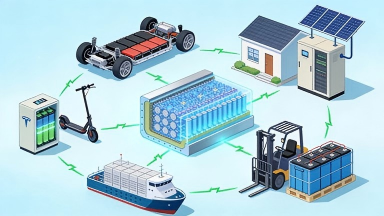
As mentioned earlier, LFP batteries are increasingly popular in EVs, especially in mid-range and budget models. Tesla, BYD, Ford, and Volkswagen all use LFP batteries in some of their vehicles. For example, Tesla’s Model 3 and Model Y Standard Range versions switched to LFP batteries in 2021, making these EVs more affordable while maintaining reliable range. BYD, a Chinese EV giant, has even built its entire lineup around LFP batteries (using its proprietary “Blade Battery” design, which is an LFP battery optimized for safety and space).
Home and Grid-Scale Energy Storage
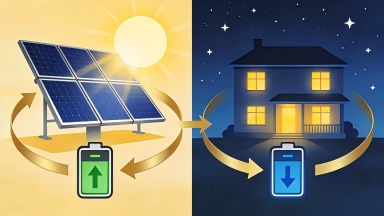
LFP batteries are the top choice for home energy storage systems (like the Tesla Powerwall 3, SonnenCore, and LG Chem RESU) because of their long lifespan and safety. They allow homeowners to store solar energy generated during the day for use at night, reducing reliance on the grid. On a larger scale, LFP batteries are used in grid-scale energy storage projects—helping stabilize the electrical grid by storing excess energy from renewable sources like wind and solar, which are intermittent (they don’t generate power 24/7).
Electric Two-Wheelers and Three-Wheelers
In countries like China, India, and Southeast Asia, electric scooters and rickshaws are ubiquitous—and most of them use LFP batteries. Their low cost, safety, and ability to handle frequent charging (a common need for commercial two-wheelers) make them the perfect fit for this market.
Industrial and Marine Applications
LFP batteries are also used in industrial equipment (like forklifts and warehouse robots) and marine vessels (like electric boats and ferries). Their durability and resistance to vibration (critical for marine use) make them a reliable choice for these demanding applications.
The Future of LFP Batteries: Innovations and Growth
While LFP batteries already have many advantages, researchers and manufacturers are working to make them even better. Here are some key innovations to watch:
Higher Energy Density
One of the main drawbacks of LFP batteries is their lower energy density compared to nickel-cobalt-based batteries. This means they need more space to store the same amount of energy, which can limit EV range. However, recent advancements—like using nanotechnology to make cathode particles smaller, or adding silicon to the anode—are helping boost energy density. Some new LFP batteries now have energy densities close to 200 Wh/kg (up from around 150 Wh/kg a few years ago), narrowing the gap with nickel-cobalt batteries.
Faster Charging
Another area of improvement is fast charging. While LFP batteries can already charge quickly (many EVs with LFP batteries support 15–20 minute fast charging), researchers are working to reduce charge times further. New electrode designs and electrolyte formulations are making it possible for LFP batteries to accept higher charging currents without degrading.
Recycling Advancements
As the number of LFP batteries in use grows, recycling will become increasingly important. Unlike nickel-cobalt batteries, which have high-value metals that are easy to recycle, LFP batteries have lower-value materials (iron and phosphate), making recycling less economically viable. However, new recycling technologies—like hydrometallurgical processes that can recover lithium, iron, and phosphate efficiently—are being developed to address this. As recycling costs decrease, LFP batteries will become even more sustainable.
Why LFP Batteries Matter for the Clean Energy Transition
The world is racing to reduce carbon emissions and switch to renewable energy—and LFP batteries are a critical piece of the puzzle. Here’s why:
- Affordability: Their low cost makes EVs and energy storage more accessible to consumers and businesses, accelerating adoption.
- Sustainability: Using abundant, non-toxic materials (and having a long lifespan) reduces the environmental impact of battery production and disposal.
- Reliability: Their safety and performance in extreme conditions make renewable energy systems (like solar + storage) more dependable, which is key to replacing fossil fuels.
-
Final Thoughts
Lithium iron phosphate batteries may not get as much attention as their nickel-cobalt counterparts, but they’re the unsung hero of the clean energy revolution. Their safety, long lifespan, and cost-effectiveness have made them the go-to choice for EVs, energy storage, and countless other applications—and as innovations continue, they’ll only become more versatile and powerful.
Whether you’re considering buying an EV, installing solar panels with storage, or just curious about the technology driving our sustainable future, LFP batteries are worth keeping an eye on. They’re not just a battery—they’re a key tool in building a cleaner, safer, and more affordable energy system for everyone.
What do you think about LFP batteries? Have you used a device or vehicle with an LFP battery? Share your thoughts in the comments below!
battery 12v lifepo4
batteries & solar
Related Article
In an era where climate change urgency and energy security concerns dominate global conversations, the shift to renewable energy has moved from a "nice-to-have" to a necessity.
green mountain energy
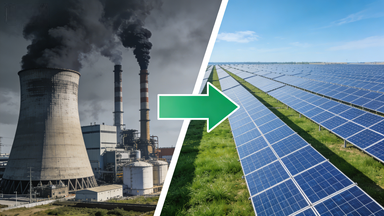
As the global community grapples with climate change, energy security, and rising fossil fuel costs, solar energy has emerged as a beacon of hope in the transition to a cleaner, more sustainable energy system.
pros of solar energy