lithium iron phosphate battery
2025-11-17
Lithium Iron Phosphate Batteries (LFP): The Safe, Durable Powerhouse Transforming Our World
In the fast-paced world of battery technology, one type has been steadily gaining momentum for its reliability, safety, and long-lasting performance: the Lithium Iron Phosphate (LiFePO4 or LFP) battery. While lithium-ion batteries dominate consumer electronics, LFP batteries have carved out a critical niche in applications where safety and longevity are non-negotiable—from electric vehicles (EVs) to solar energy storage. But what exactly makes LFP batteries stand out? Let’s dive into their design, how they work, their key benefits, and why they’re becoming a cornerstone of the clean energy revolution.

What Is a Lithium Iron Phosphate (LFP) Battery?
At its core, an LFP battery is a type of rechargeable lithium-ion battery—but with a key difference: its cathode is made of lithium iron phosphate (LiFePO₄) instead of the lithium cobalt oxide (LCO) or lithium nickel manganese cobalt oxide (NCM) used in traditional lithium-ion batteries. The anode, like most lithium batteries, is typically graphite, and the electrolyte (liquid or solid) facilitates the movement of lithium ions between the two electrodes.
This simple shift in cathode material is what gives LFP batteries their unique properties. Unlike cobalt or nickel (used in other lithium batteries), iron phosphate is abundant, low-cost, and chemically stable—laying the groundwork for the battery’s most notable advantages: safety and durability.
How Do LFP Batteries Work?
Like all lithium-ion batteries, LFP batteries operate on the principle of ion movement during charging and discharging. Here’s a step-by-step breakdown of their cycle:
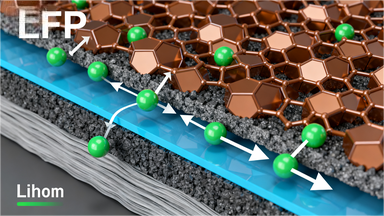
- Charging Phase: When connected to an external power source (e.g., an EV charger or solar inverter), lithium ions are forced to move from the LFP cathode through the electrolyte to the graphite anode. The anode traps these ions in its layered structure, “storing” energy until the battery reaches full capacity.
- Discharging Phase: When powering a device (e.g., an EV motor or a home appliance), the lithium ions flow back from the anode to the cathode through the electrolyte. This ion movement generates an electric current that powers the connected device.
- Cycle Longevity: A key advantage of LFP batteries is their ability to withstand this charge-discharge cycle thousands of times without significant degradation. Unlike other lithium batteries, the iron phosphate cathode is less prone to structural damage over time—meaning LFP batteries retain more of their capacity even after years of use.
-
Key Advantages of LFP Batteries: Why They’re a Game-Changer
LFP batteries aren’t just another lithium battery variant—they solve critical pain points that have held back other technologies. Here are their standout benefits:
1. Unmatched Safety
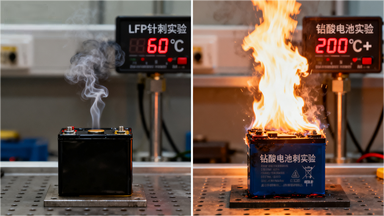
Safety is where LFP batteries shine brightest. The iron phosphate cathode is thermally stable, meaning it resists overheating, thermal runaway (a chain reaction that causes fires or explosions), and decomposition—even when damaged, overcharged, or exposed to high temperatures.
This is a stark contrast to lithium-ion batteries with cobalt or nickel cathodes, which are more prone to overheating (e.g., the rare but well-documented phone battery fires). For applications like EVs (where battery safety is a top consumer concern) or home energy storage (installed near living spaces), LFP’s safety profile is a game-changer.
2. Exceptional Longevity
LFP batteries have one of the longest lifespans of any rechargeable lithium battery. Most LFP batteries can handle 2,000 to 10,000 charge cycles (depending on usage and temperature) before their capacity drops to 80% of their original level. For context:
- A traditional lithium-ion battery (e.g., in a smartphone) might last 300–500 cycles.
- An LFP battery in a home solar system could last 10–15 years with daily use—far longer than the 5–7 years of a standard lithium-ion storage battery.
This longevity reduces replacement costs and waste, making LFP batteries a more sustainable choice.

3. Low Cost and Abundant Materials
Iron and phosphate are widely available, low-cost materials—unlike cobalt (which is expensive and primarily mined in the Democratic Republic of the Congo, with concerns about ethical sourcing) or nickel (which has volatile pricing). This makes LFP batteries cheaper to produce than other lithium-ion variants, a trend that’s driving their adoption in mass-market products like EVs.
For example, Tesla switched to LFP batteries for its entry-level Model 3 and Model Y vehicles in 2021, citing cost savings and improved safety. As demand grows, LFP battery prices are expected to drop further, making clean energy technologies more accessible.
4. Excellent Performance in Extreme Temperatures
Unlike some lithium batteries, which struggle in very hot or cold conditions, LFP batteries maintain consistent performance across a wide temperature range. They can operate reliably in temperatures from -20°C (-4°F) to 60°C (140°F)—making them ideal for:
- EVs in cold climates (where other batteries lose range).
- Solar energy storage systems in hot regions (where overheating is a risk).
- Outdoor power tools used in varying weather conditions.
Where Are LFP Batteries Used?
Thanks to their safety, durability, and cost-effectiveness, LFP batteries are now found in a wide range of applications—many of which are critical to the shift toward clean energy:
1. Electric Vehicles (EVs)
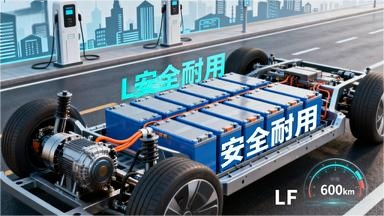
As mentioned, major automakers like Tesla, BYD, and Ford now use LFP batteries in their EVs. For example:
- BYD (one of the world’s largest EV makers) uses its proprietary “Blade Battery” (an LFP design) in models like the Han and Yuan Plus.
- Ford’s F-150 Lightning Pro (a commercial EV truck) uses LFP batteries for their durability and low cost.
-
LFP batteries are especially popular in entry-level and commercial EVs, where cost and reliability matter more than 极致 energy density.
2. Solar Energy Storage
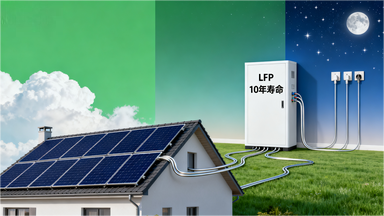
Home and grid-scale solar systems rely on LFP batteries for long-term energy storage. Products like the Tesla Powerwall 2 (in some regions) and the BYD Home Battery use LFP technology to store excess solar energy for use at night or during power outages. Their long lifespan and safety make them a trusted choice for homeowners and utility companies alike.
3. Power Tools and Industrial Equipment
LFP batteries are ideal for power tools (e.g., drills, saws) and industrial machinery (e.g., forklifts, robots) because they can handle frequent, heavy use without degradation. For example, DeWalt and Milwaukee now offer LFP-powered tools that last longer and charge faster than their nickel-cadmium predecessors.
4. Backup Power Systems
Businesses, hospitals, and data centers use LFP batteries for backup power. Their ability to hold a charge for long periods (low self-discharge) and operate safely makes them a reliable choice for critical infrastructure—where downtime can be costly or life-threatening.
Are There Any Drawbacks to LFP Batteries?
While LFP batteries have many advantages, they aren’t perfect. Here are a few limitations to consider:
- Lower Energy Density: LFP batteries have slightly lower energy density than cobalt or nickel-based lithium-ion batteries. This means they need more space or weight to store the same amount of energy. For example, an EV with an LFP battery might have a slightly shorter range than one with an NCM battery (though improvements in LFP technology are narrowing this gap).
- Performance in Very Cold Temperatures: While LFP batteries handle cold better than some alternatives, they can still lose some capacity in extreme cold (below -20°C). However, this is rarely a problem in most populated regions, and thermal management systems can mitigate the issue.
The Future of LFP Batteries
As the world shifts toward renewable energy and electric transportation, LFP batteries are poised to play an even bigger role. Here’s what to expect:
- Increased Adoption in EVs: As automakers prioritize safety and cost, more EV models (especially in the mid-to-entry level segment) will switch to LFP batteries.
- Advancements in Energy Density: Researchers are working to improve LFP’s energy density by modifying the cathode structure or using silicon anodes—addressing its biggest limitation.
- Expansion in Grid Storage: Utility companies will rely more on LFP batteries for grid-scale energy storage, helping to balance intermittent renewable sources like wind and solar.
-
Final Thoughts
Lithium Iron Phosphate (LFP) batteries may not be as well-known as traditional lithium-ion batteries, but they’re quietly transforming how we power our cars, homes, and industries. Their unbeatable safety, long lifespan, and low cost make them a critical component of the clean energy revolution—proving that sometimes, the most reliable solutions are the ones built to last.
Do you have questions about LFP batteries—like whether they’re right for your home solar system or which EVs use them? Drop a comment below—I’d love to help!
lifepo4
what are lithium batteries
Related Article
In an era where climate change urgency and energy security concerns dominate global conversations, the shift to renewable energy has moved from a "nice-to-have" to a necessity.
green mountain energy
As the global community grapples with climate change, energy security, and rising fossil fuel costs, solar energy has emerged as a beacon of hope in the transition to a cleaner, more sustainable energy system.
pros of solar energy