lithium lifepo4 battery
2026-01-05
Lithium LiFePO4 Battery: The Safe, Long-Lasting Power Solution for Modern Needs
In the evolving world of rechargeable battery technology, Lithium Iron Phosphate (LiFePO4) batteries have emerged as a game-changer, redefining expectations for safety, durability, and performance. Unlike traditional lead-acid batteries or even other lithium-ion variants (such as lithium cobalt oxide or lithium nickel manganese cobalt oxide), LiFePO4 batteries offer a unique combination of benefits that make them ideal for a wide range of applications—from residential energy storage to electric vehicles, industrial equipment, and portable devices. Whether you’re an eco-conscious homeowner looking to upgrade your solar storage system, a business owner seeking reliable power for industrial tools, or an adventurer in need of a robust portable power source, this blog will unpack everything you need to know about Lithium LiFePO4 batteries and why they’re becoming the preferred choice for discerning users.

What Sets Lithium LiFePO4 Batteries Apart?
At the core of LiFePO4 batteries’ appeal is their advanced cathode material—lithium iron phosphate—which gives them distinct advantages over other battery technologies. Let’s break down the key features that make these batteries stand out:
1. Unmatched Safety Profile
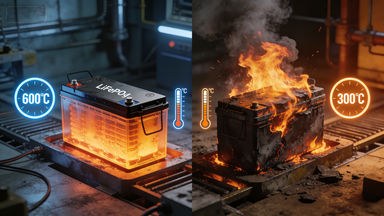
Safety is the most significant advantage of Lithium LiFePO4 batteries. Unlike other lithium-ion batteries that use cobalt-based cathodes, LiFePO4 batteries have an extremely stable chemical structure. This stability eliminates the risk of thermal runaway—a dangerous reaction that can cause overheating, fires, or explosions—even in extreme conditions such as overcharging, short-circuiting, physical impact, or high temperatures. For example, LiFePO4 batteries can withstand temperatures up to 600°C (1112°F) without decomposing, compared to cobalt-based lithium batteries that may fail at just 200-300°C (392-572°F). This makes them an ideal choice for applications where safety is non-negotiable, such as residential energy storage, electric vehicles, and medical equipment.
2. Exceptional Longevity and Cycle Life
Lithium LiFePO4 batteries boast an impressive cycle life that far outperforms traditional lead-acid and other lithium-ion batteries. A “cycle” is defined as one full charge and discharge cycle. While lead-acid batteries typically last 300-500 cycles (before their capacity drops to 80% of the original), and cobalt-based lithium batteries last 1000-1500 cycles, LiFePO4 batteries can easily achieve 3000-5000 cycles—some high-quality models even reach 10,000 cycles. This means a LiFePO4 battery can last 10-15 years with regular use, compared to 2-5 years for lead-acid batteries. For users, this translates to fewer replacements, lower long-term costs, and less environmental waste.
3. High Energy Density and Lightweight Design
While LiFePO4 batteries have a slightly lower energy density than cobalt-based lithium batteries, they still offer significantly higher energy density than lead-acid batteries. This means they can store more energy in a smaller, lighter package. For example, a 12V 100Ah LiFePO4 battery weighs approximately 12-15kg, while a lead-acid battery of the same voltage and capacity weighs 25-30kg. This lightweight advantage is crucial for portable applications, such as RVs, boats, portable generators, and electric scooters, where weight and size directly impact usability. Additionally, the high energy density ensures longer runtime for devices, reducing the need for frequent recharging.
4. Wide Operating Temperature Range
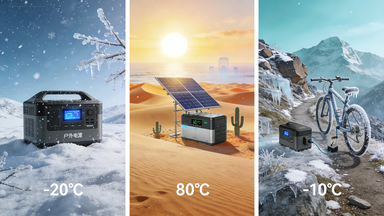
Lithium LiFePO4 batteries perform reliably in extreme temperature conditions, making them suitable for both indoor and outdoor use. They can operate efficiently in temperatures ranging from -20°C (-4°F) to 60°C (140°F), whereas lead-acid batteries often struggle in cold weather (losing significant capacity below 0°C/32°F) and can be damaged by high temperatures. This makes LiFePO4 batteries ideal for outdoor applications such as solar energy storage (exposed to varying weather conditions), off-road vehicles, and industrial equipment used in harsh environments.
5. Low Self-Discharge Rate and Eco-Friendliness
LiFePO4 batteries have an extremely low self-discharge rate—losing only 1-2% of their charge per month when not in use. This is far lower than lead-acid batteries (which lose 5-10% per month) and even other lithium-ion batteries (3-5% per month). This makes them perfect for backup power systems or seasonal equipment (such as snow blowers or garden tools) that may sit idle for months. Additionally, LiFePO4 batteries are environmentally friendly: they contain no toxic heavy metals (like lead or cobalt), are 100% recyclable, and require less energy to produce than lead-acid batteries. This aligns with the growing global focus on sustainability and reduces the carbon footprint of power storage solutions.

Common Applications of Lithium LiFePO4 Batteries
The versatility of Lithium LiFePO4 batteries makes them suitable for a diverse range of applications across residential, commercial, industrial, and recreational sectors. Here are some of the most popular uses:
-
Residential Solar Energy Storage: LiFePO4 batteries are the top choice for home solar systems. They store excess energy generated by solar panels during the day, providing power at night or during power outages. Their safety, long cycle life, and low self-discharge rate make them a reliable, long-term solution for off-grid or grid-tied solar setups.
-
Electric Vehicles (EVs) and E-Mobility: Many electric cars, electric buses, electric scooters, and electric bikes use LiFePO4 batteries. Their safety and durability are critical for automotive applications, while their lightweight design helps improve vehicle range and efficiency. For example, some electric buses and delivery vehicles rely on LiFePO4 batteries due to their ability to withstand frequent charging and discharging cycles.
-
Industrial and Commercial Equipment: LiFePO4 batteries power a wide range of industrial equipment, including forklifts, warehouse utility trucks, construction tools, and backup power systems for commercial buildings. Their long cycle life and ability to operate in harsh conditions reduce downtime and maintenance costs for businesses.
-
Recreational Vehicles (RVs) and Boats: RVers and boat owners prefer LiFePO4 batteries for their lightweight design, long runtime, and low self-discharge rate. They power onboard appliances (such as refrigerators, lights, and air conditioners) without adding excessive weight, and they can hold a charge for long periods when the vehicle is not in use.
-
Portable Power Stations: Portable power stations (used for camping, outdoor events, or emergency backup) increasingly use LiFePO4 batteries. Their safety and long cycle life make them a reliable choice for powering laptops, cameras, medical devices, and other essential electronics in remote locations.
Tips for Choosing and Maintaining Lithium LiFePO4 Batteries
To maximize the performance and lifespan of your Lithium LiFePO4 battery, it’s important to choose the right battery for your needs and follow proper maintenance practices. Below are key considerations for purchasing and caring for your battery:
Key Factors to Consider When Buying
-
Capacity (Ah Rating): Capacity, measured in ampere-hours (Ah), indicates how much energy the battery can store. A higher Ah rating means longer runtime for your device. For example, a 100Ah LiFePO4 battery will power a 1000W appliance for approximately 1 hour (assuming 100% efficiency). Choose a capacity that matches your usage needs—for daily use or high-power devices, opt for a higher capacity.
-
Cell Quality and BMS (Battery Management System): The quality of the LiFePO4 cells and the BMS are critical for battery performance and safety. Look for batteries made with high-quality cells from reputable manufacturers (such as CATL, BYD, or EVE Energy). A reliable BMS monitors the battery’s voltage, current, and temperature, preventing overcharging, over-discharging, short-circuiting, and thermal runaway. Avoid cheap batteries with poor-quality BMS, as they pose safety risks and have shorter lifespans.
-
Voltage Compatibility: Ensure the battery’s voltage matches your device’s requirements. LiFePO4 batteries are available in various voltages (12V, 24V, 36V, 48V, etc.). Using a battery with the wrong voltage can damage your device or the battery itself.
-
Physical Dimensions and Weight: For portable applications (such as RVs or boats), check the battery’s dimensions and weight to ensure it fits in your device’s battery compartment and doesn’t add excessive weight. LiFePO4 batteries are lighter than lead-acid batteries, but their size can vary by manufacturer.
-
Warranty: A good warranty is a sign of the manufacturer’s confidence in their product. Look for LiFePO4 batteries with a warranty of at least 5-10 years or 3000-5000 cycles. This covers defects in materials or workmanship and ensures you get a replacement or repair if the battery fails prematurely.
-
Maintenance Tips to Extend Lifespan
-
Use a Compatible Charger: Always use a charger specifically designed for LiFePO4 batteries. LiFePO4 batteries require a constant current/constant voltage (CC/CV) charging profile, which is different from lead-acid or other lithium-ion batteries. Using an incompatible charger can damage the battery’s cells and BMS.
-
Avoid Over-Discharging: While LiFePO4 batteries have a BMS to prevent over-discharging, it’s still good practice to recharge the battery before it drops below 20% capacity. This reduces stress on the cells and extends the battery’s cycle life.
-
Store Properly: When not in use for extended periods, store the battery in a cool, dry place (between 10°C and 25°C/50°F and 77°F). Avoid extreme temperatures (both hot and cold) and store the battery at 40-60% capacity—this is the optimal charge level for long-term storage.
-
Keep Terminals Clean: Regularly inspect the battery’s terminals and clean them if they’re dirty or corroded. Corrosion can interfere with the battery’s connection to your device, causing poor performance. Use a dry, soft cloth to wipe away dirt and debris—never use water or harsh chemicals.
-
Avoid Physical Damage: While LiFePO4 batteries are durable, they can still be damaged by heavy impact or punctures. Handle the battery with care and avoid dropping or crushing it.
Is a Lithium LiFePO4 Battery Worth the Investment?
Lithium LiFePO4 batteries have a higher upfront cost than lead-acid batteries and even some other lithium-ion batteries. However, their long lifespan, superior safety, and lower maintenance costs make them a cost-effective investment in the long run. Let’s break down the value proposition:
For residential users: A 100Ah 12V LiFePO4 battery costs approximately $300-$500, while a lead-acid battery of the same capacity costs $100-$200. But the LiFePO4 battery will last 10-15 years, compared to 2-5 years for the lead-acid battery. Over 15 years, you would need to replace the lead-acid battery 3-7 times, costing $300-$1400—far more than the upfront cost of the LiFePO4 battery. Additionally, the LiFePO4 battery’s higher efficiency and lower self-discharge rate reduce energy waste, saving you money on electricity bills.
For businesses: The long cycle life and reduced downtime of LiFePO4 batteries translate to increased productivity and lower maintenance costs. For example, a forklift powered by a LiFePO4 battery will require fewer battery replacements and less charging time than one powered by a lead-acid battery, reducing operational costs over time.
For eco-conscious users: The environmental benefits of LiFePO4 batteries—no toxic metals, high recyclability, and lower energy consumption during production—make them a sustainable choice that aligns with green living goals.
Conclusion
Lithium LiFePO4 batteries have established themselves as a superior power storage solution, offering unmatched safety, exceptional longevity, and versatile performance. Whether you’re powering a home solar system, an electric vehicle, industrial equipment, or a portable power station, LiFePO4 batteries deliver reliable, efficient power while reducing long-term costs and environmental impact.
By understanding the key advantages of LiFePO4 batteries, choosing the right battery for your needs, and following proper maintenance practices, you can enjoy years of trouble-free power. While the upfront cost may be higher, the investment is well worth it for the safety, durability, and peace of mind that Lithium LiFePO4 batteries provide. As battery technology continues to evolve, LiFePO4 batteries are poised to remain at the forefront of the rechargeable battery market, powering the future of sustainable energy.

12v lifepo4 battery
lifepo4 lifepo4
Related Article
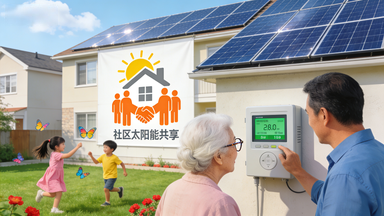
In an era where climate change urgency and energy security concerns dominate global conversations, the shift to renewable energy has moved from a "nice-to-have" to a necessity.
green mountain energy

As the global community grapples with climate change, energy security, and rising fossil fuel costs, solar energy has emerged as a beacon of hope in the transition to a cleaner, more sustainable energy system.
pros of solar energy