lithium rv batteries
2025-12-15
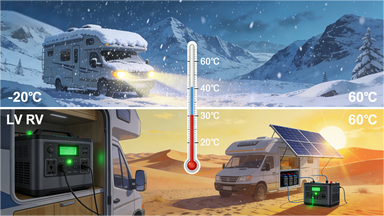
Lithium RV Batteries: The Game-Changer for Your Next Camping Adventure
Imagine this: You’re deep in the woods, miles from the nearest campground hook-up. The sun sets, and you fire up your RV’s air conditioner, brew a hot cup of coffee, and stream a movie on your tablet—all without worrying about your battery dying at 2 a.m. Sound too good to be true? It’s not—if you’re using lithium RV batteries.
For years, RVers relied on heavy, finicky lead-acid batteries that limited how long they could camp off-grid (aka “boondocking”). But lithium RV batteries have revolutionized the game, offering more power, longer life, and less hassle. If you’re curious about whether they’re worth the investment (spoiler: they almost always are), let’s break down everything you need to know about lithium RV batteries.


First: What Are Lithium RV Batteries?
Lithium RV batteries are rechargeable power storage units designed specifically for recreational vehicles, using lithium-ion (Li-ion) or lithium iron phosphate (LiFePO4/LFP) technology. Unlike traditional lead-acid batteries (flooded, AGM, or gel), they leverage lithium’s high energy density and lightweight properties to deliver superior performance for RVs.
The most common type for RVs is LiFePO4 (LFP)—and for good reason:
- It’s the safest lithium chemistry (resistant to overheating, fires, or explosions, even if damaged).
- It has an ultra-long lifespan (3,000–10,000 charge cycles, vs. 300–500 for lead-acid).
- It handles deep discharges (using most of the battery’s capacity) without permanent damage.
In short: Lithium RV batteries are built for the demands of RV life—whether you’re boondocking for weeks or just need reliable power for weekend trips.
Why Lithium RV Batteries Beat Lead-Acid (By a Mile)
If you’ve ever struggled with lead-acid batteries (e.g., they die fast in cold weather, weigh a ton, or require constant maintenance), lithium is a revelation. Here are the top 6 benefits that make lithium RV batteries worth every penny:
1. Lightweight Design = Better Fuel Efficiency
Lead-acid batteries are beasts—one 12V, 100Ah lead-acid battery weighs ~60–70 pounds. A lithium battery with the same capacity? Only ~25–30 pounds. For RVers towing a trailer or driving a motorhome, this translates to:
- Less strain on your vehicle’s engine.
- Improved gas mileage (saving you money on long trips).
- Easier installation (you can lift a lithium battery alone—no need for a friend!).
2. More Usable Power (No “Hidden” Capacity)
Lead-acid batteries lie—sort of. A 100Ah lead-acid battery can only safely use ~50% of its capacity (50Ah) before you risk damaging it. But lithium RV batteries let you use 80–100% of their rated capacity (so a 100Ah lithium battery gives you 80–100Ah of usable power).
What does that mean for camping?
- Run your RV’s fridge, lights, water pump, and even a small air conditioner for days—no hook-up needed.
- No more cutting your boondocking trip short because your battery is “dead” (when it’s really just 50% full).
-

3. Faster Charging = Less Downtime
Waiting for a lead-acid battery to charge can take 8–12 hours (even with a solar panel or generator). Lithium RV batteries charge 2–3x faster:
- A 100Ah lithium battery can fully charge in 3–4 hours with a 30-amp charger.
- They work seamlessly with solar panels (most are “solar-ready”)—so you can top up your battery while hiking or relaxing, not just when plugged in.
4. Long Lifespan = Save Money Over Time
Yes, lithium RV batteries cost more upfront (a 100Ah LFP battery is ~\(500–\)800, vs. \(150–\)300 for lead-acid). But let’s do the math:
- A lead-acid battery lasts 2–5 years (300–500 charge cycles).
- A lithium battery lasts 8–15 years (3,000–10,000 charge cycles).
Over 10 years, you’d buy 2–3 lead-acid batteries (total cost: \(300–\)900) vs. 1 lithium battery (\(500–\)800). Plus, lithium batteries hold their capacity longer—so you won’t notice a drop in performance after a year or two.
5. No Maintenance (Finally!)
Lead-acid batteries are high-maintenance:
- Flooded lead-acid: You have to check water levels monthly and top them off with distilled water.
- AGM/gel: No water needed, but they still require careful charging (overcharging ruins them).
Lithium RV batteries? Set it and forget it. They:
- Don’t need water or electrolyte checks.
- Are resistant to overcharging (thanks to built-in Battery Management Systems, or BMS).
- Have no “memory effect” (you can charge them partially without reducing capacity).
Perfect for RVers who want to spend time camping, not maintaining batteries.

6. Better Performance in Extreme Temperatures
Camping in the desert heat or mountain cold? Lead-acid batteries lose capacity fast in extreme temps (they might only work at 50% capacity below freezing). Lithium RV batteries handle heat and cold far better:
- They work reliably from -4°F to 140°F (-20°C to 60°C).
- Even in cold weather, they retain most of their capacity (critical for winter camping).
Types of Lithium RV Batteries: Which One Is Right for You?
Not all lithium RV batteries are the same—here are the two main types, and how to choose:
1. LiFePO4 (LFP) Batteries (Most Popular for RVs)
- Best for: Boondockers, full-time RVers, or anyone wanting safety and longevity.
- Key specs: 3,000–10,000 charge cycles, 12V/24V/48V options, 80–100% depth of discharge (DoD).
- Why it’s ideal: Safest lithium chemistry (no thermal runaway), low self-discharge (loses ~1–2% per month), and compatible with most RV power systems (inverters, solar panels, generators).
- Examples: Battle Born Batteries, Victron Energy, Renogy.
2. Li-ion (Lithium-Ion) Batteries
- Best for: Budget-focused RVers who don’t boondock often.
- Key specs: 1,000–2,000 charge cycles, lighter than LFP, lower cost.
- Caveat: Less safe (higher risk of overheating if damaged), shorter lifespan, and lower DoD (60–80%).
- Where to use: Occasional weekend trips, small RVs (e.g., pop-ups or Class B vans) with minimal power needs.
Pro tip: For most RVers, LiFePO4 is worth the extra cost—it’s more reliable, safer, and saves money long-term.
How to Choose the Right Lithium RV Battery (Step-by-Step)
Not sure what size or voltage you need? Follow these 3 steps:
Step 1: Calculate Your Power Needs
First, figure out how much power your RV uses in a day (in amp-hours, or Ah). Make a list of all your devices and their power draw:
- Fridge: ~5–10 Ah/day
- Lights: ~2–5 Ah/day
- Water pump: ~1–3 Ah/day
- Air conditioner: ~30–50 Ah/day (if using a 12V AC unit)
- Charging phones/laptops: ~2–4 Ah/day
Add them up: For example, if you use 50 Ah/day, a 100Ah lithium battery will last 2 days (since you can use 80–100% of it). If you boondock for 3+ days, go with 2x 100Ah batteries (200Ah total).
Step 2: Choose Voltage (12V, 24V, or 48V)
- 12V: Most common for small-to-medium RVs (pop-ups, Class B vans, travel trailers). Easy to install (works with standard RV wiring).
- 24V: Better for larger RVs (Class A motorhomes) or systems with high power needs (e.g., multiple AC units, electric stoves). More efficient for long wire runs.
- 48V: Rare for RVs, but used in high-end off-grid setups (e.g., full-time boondockers with large solar arrays).
Step 3: Check Compatibility
Make sure your lithium battery works with your RV’s existing system:
- Inverter: Most modern inverters (12V to 120V) work with lithium, but check the manufacturer’s specs.
- Solar panels: Lithium batteries charge faster with MPPT solar charge controllers (vs. PWM)—if you have solar, upgrade to MPPT for best results.
- Charger: Use a lithium-specific charger (or a charger with a lithium setting) to avoid overcharging.
-

Installation & Maintenance Tips for Lithium RV Batteries
Installing and caring for lithium RV batteries is simple—here’s what you need to know:
Installation
- Safety first: Disconnect your RV’s power (shore power, generator, solar) before installing. Wear gloves and eye protection.
- Wiring: Use the same gauge wire as your old battery (or thicker, for better performance). Connect positive to positive, negative to negative.
- Ventilation: Unlike lead-acid batteries, lithium batteries don’t emit gas—so you can install them inside your RV (e.g., under a seat) or in a battery box.
Maintenance
- Charge regularly: Even if you’re not using your RV, charge the battery every 3–6 months to keep it healthy.
- Avoid deep discharges (when possible): While lithium can handle 80–100% DoD, limiting discharges to 50–70% will extend lifespan.
- Check the BMS: Most lithium batteries have a built-in BMS that monitors voltage, temperature, and current. If the BMS shuts off the battery (e.g., from overheating), let it cool down before recharging.
- Store properly: If storing your RV for winter, keep the battery charged to 50–70% and store it in a cool, dry place (not freezing).
Common Myths About Lithium RV Batteries (Debunked)
Let’s clear up the misinformation you might have heard:
Myth 1: “Lithium batteries are dangerous—they catch fire!”
Fact: LiFePO4 batteries (the ones used in RVs) are extremely safe. Unlike lithium-ion batteries in some phones/laptops, they don’t suffer from “thermal runaway” (explosive overheating) if punctured or overcharged. The BMS adds an extra layer of protection.
Myth 2: “They’re too expensive—lead-acid is better for budget.”
Fact: Lead-acid is cheaper upfront, but lithium saves money long-term (fewer replacements, lower maintenance, better fuel efficiency). For full-time RVers or frequent boondockers, lithium pays for itself in 2–3 years.
Myth 3: “You need to rewrite your RV’s electrical system to use lithium.”
Fact: Most lithium RV batteries are “drop-in replacements” for lead-acid. You can swap them out without rewiring—just make sure your charger/inverter has a lithium setting.
Myth 4: “Lithium batteries don’t work with solar panels.”
Fact: Lithium works better with solar than lead-acid. They charge faster, retain more power, and handle variable solar input (cloudy days) more efficiently.

Final Thoughts: Should You Upgrade to Lithium RV Batteries?
If you:
- Love boondocking and want to stay off-grid longer.
- Hate maintaining lead-acid batteries (water checks, short lifespans).
- Want to save weight and improve your RV’s fuel efficiency.
- Plan to keep your RV for 5+ years (long enough to recoup the upfront cost).
Then yes—lithium RV batteries are one of the best upgrades you can make for your RV. They turn “camping with limits” into “camping without compromise,” letting you enjoy the great outdoors without worrying about power.
Have questions? Want help calculating your power needs or choosing a battery brand? Drop a comment below—I’m here to help you make the switch to lithium!
lithium rv battery
lithium from battery
Related Article

In an era where climate change urgency and energy security concerns dominate global conversations, the shift to renewable energy has moved from a "nice-to-have" to a necessity.
green mountain energy

As the global community grapples with climate change, energy security, and rising fossil fuel costs, solar energy has emerged as a beacon of hope in the transition to a cleaner, more sustainable energy system.
pros of solar energy