lithium solar batteries
2025-12-20
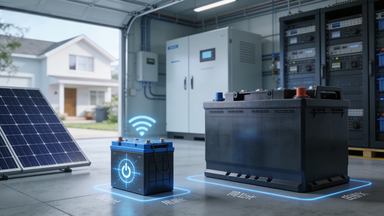
Lithium Solar Batteries: The Game-Changer for Efficient Solar Energy Storage
As the world shifts toward renewable energy sources, solar power has emerged as a front-runner in the quest for sustainable electricity. However, one of the biggest challenges of solar energy is its intermittency—sunlight is only available during the day, and weather conditions can disrupt power generation. This is where energy storage solutions come into play, and among them, lithium solar batteries have risen to prominence as a reliable, efficient, and long-lasting option. Whether you’re a homeowner looking to maximize your solar panel system’s value, a business aiming to cut energy costs, or an off-grid enthusiast seeking self-sufficiency, lithium solar batteries offer unparalleled benefits that make them a cornerstone of modern solar energy systems. In this blog, we’ll explore everything you need to know about these innovative batteries and why they’re becoming the go-to choice for solar energy storage.
Why Lithium Solar Batteries Outshine Traditional Storage Options
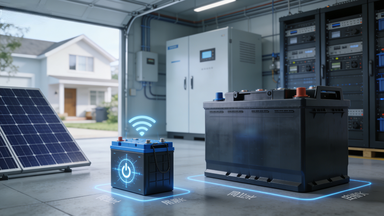
Before lithium-based batteries dominated the solar storage market, lead-acid batteries were the most common choice. While lead-acid batteries are affordable upfront, they fall short in several key areas that matter most for solar applications. Lithium solar batteries, by contrast, address these shortcomings head-on, offering a superior storage solution that aligns with the needs of solar energy users. Let’s break down their key advantages:
First and foremost is theirhigh energy density. Energy density refers to the amount of energy a battery can store per unit of weight or volume—a critical factor for solar systems, where space and weight are often limited (especially for rooftop installations). Lithium solar batteries have significantly higher energy density than lead-acid batteries, meaning they can store more energy in a smaller, lighter package. For example, a lithium battery with the same energy capacity as a lead-acid battery might be 30-50% smaller and lighter, making it easier to install in tight spaces like attics, garages, or small utility rooms.
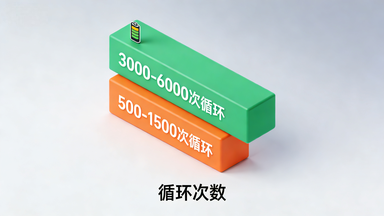
Another major benefit is their long cycle life. A “cycle” refers to one full charge and discharge of the battery. Solar batteries are charged daily by sunlight and discharged nightly (or during power outages), so cycle life directly impacts the battery’s longevity and long-term cost-effectiveness. High-quality lithium solar batteries can endure 3,000 to 6,000 charge-discharge cycles before their capacity drops to 80% of their original value. In contrast, lead-acid batteries typically only last 500 to 1,500 cycles. This means a lithium solar battery can last 10-15 years (or more) with proper maintenance, while a lead-acid battery may need replacement every 3-5 years.
Lithium solar batteries also boast superior charge and discharge efficiency. Efficiency is the percentage of energy that’s retained when the battery is charged and then discharged—higher efficiency means less energy waste. Most lithium solar batteries have an efficiency rating of 90-95%, compared to 70-80% for lead-acid batteries. For solar users, this translates to more of the energy generated by their panels being stored and usable, rather than lost as heat. Over time, this higher efficiency can lead to significant savings on electricity bills and a better return on investment (ROI) for the solar system.
Low self-discharge rate is another standout feature. When not in use, all batteries lose some charge over time, but lithium solar batteries lose only 1-2% of their charge per month, compared to 5-10% for lead-acid batteries. This is particularly beneficial for off-grid systems or backup power setups, where the battery may sit idle for extended periods (e.g., during periods of abundant sunlight when energy demand is low). With a lithium battery, you can trust that stored energy will be available when you need it most.
Common Applications of Lithium Solar Batteries
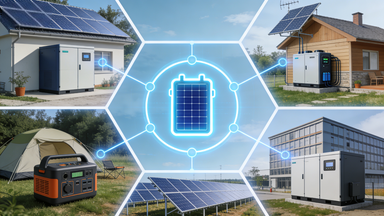
The versatility of lithium solar batteries makes them suitable for a wide range of solar energy applications, from residential to commercial and industrial use. Here are some of the most popular use cases:
-
Residential Solar Energy Storage: For homeowners with rooftop solar panels, lithium solar batteries are the ideal companion. They store excess energy generated during the day, which can be used at night (when solar panels aren’t producing power) to reduce reliance on the grid. This not only lowers electricity bills but also provides backup power during grid outages, ensuring essential appliances (like refrigerators, lights, and medical equipment) stay running. Many residential lithium solar battery systems are also compatible with smart home technology, allowing users to monitor and manage energy usage remotely.
-
Off-Grid Solar Systems: Off-grid properties (such as cabins, rural homes, and remote farms) rely entirely on solar energy for electricity, so reliable storage is non-negotiable. Lithium solar batteries are perfect for these setups because of their long cycle life, high energy density, and low self-discharge rate. They can store enough energy to power the property through cloudy days or extended periods of low sunlight, eliminating the need for noisy, polluting generators.
-
Commercial and Industrial (C&I) Solar Projects: Businesses and industrial facilities are increasingly adopting solar energy to cut operational costs and reduce their carbon footprint. Lithium solar batteries play a key role in these systems by enabling “peak shaving”—storing energy during off-peak hours (when electricity rates are low) and using it during peak hours (when rates are high) to avoid expensive demand charges. They also provide backup power to prevent downtime during grid outages, which can save businesses thousands of dollars in lost productivity.
-
Portable Solar Systems: Portable solar panels (used for camping, hiking, outdoor events, or emergency response) often pair with small lithium solar batteries. Their lightweight, compact design makes them easy to transport, and their fast charging capabilities mean they can quickly store energy from portable panels to power phones, laptops, lights, and other small devices.
-
Utility-Scale Solar Storage: On a larger scale, lithium solar batteries are used in utility-scale solar farms to stabilize the grid. They store excess solar energy during periods of high generation and release it during times of high demand, helping to balance supply and demand and reduce the need for fossil fuel-powered peaker plants.
-
Key Factors to Consider When Choosing a Lithium Solar Battery
Not all lithium solar batteries are created equal, so it’s important to choose the right one for your specific needs. Here are the most critical factors to consider:
1. Battery Type
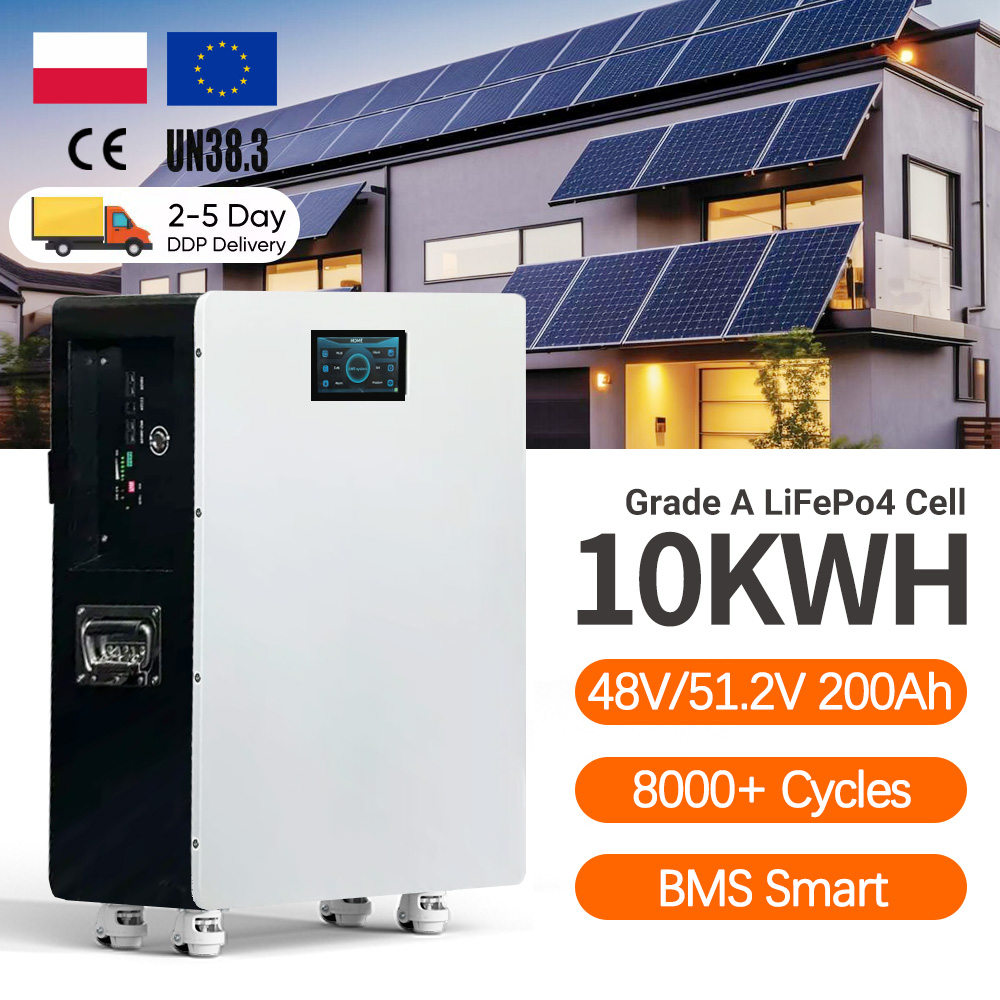
There are several types of lithium batteries used in solar storage, but the two most common are lithium-iron phosphate (LiFePO4) and lithium-ion (Li-ion, e.g., NCM). LiFePO4 batteries are generally preferred for solar applications because they’re safer (less prone to thermal runaway), have a longer cycle life, and perform better in extreme temperatures. They’re also more durable, making them ideal for long-term, daily use. Li-ion batteries (like those used in electric vehicles) have slightly higher energy density but are less stable and have a shorter cycle life, so they’re better suited for applications where space is at a premium and cycle life is less critical.
2. Capacity (kWh Rating)
Capacity, measured in kilowatt-hours (kWh), indicates how much energy the battery can store. The right capacity for you depends on your energy usage and solar panel output. For residential use, a 5-15 kWh battery is typically sufficient for daily use and backup power. Commercial facilities may need 100 kWh or more to meet their larger energy demands. It’s important to calculate your average daily energy consumption (check your electricity bill) and choose a battery that can store enough energy to cover your needs during non-solar hours.
3. Power Rating (kW Rating)
Power rating, measured in kilowatts (kW), refers to how much electricity the battery can deliver at once. This is important for powering multiple appliances simultaneously or large devices (like air conditioners or pumps). A higher power rating means the battery can handle more load. For example, a 5 kW battery can power a home with several appliances running at the same time, while a 2 kW battery may only be able to power essential devices.
4. Compatibility with Solar Inverters
Solar batteries need to be compatible with your solar inverter (the device that converts DC power from solar panels to AC power for your home or business). Some batteries are designed to work with specific inverters, while others are compatible with a wide range of models. Before purchasing a battery, check with the manufacturer to ensure it’s compatible with your existing inverter (if you have one) or choose a battery-inverter combo for a seamless setup.
5. Safety Features
Safety is paramount when it comes to energy storage. Look for lithium solar batteries with built-in safety features like overcharge protection, over-discharge protection, short-circuit protection, temperature protection, and surge protection. These features prevent the battery from overheating, catching fire, or exploding, and also help extend its lifespan. LiFePO4 batteries are inherently safer than other lithium types, so they’re a good choice if safety is a top priority.
6. Warranty
A strong warranty is a sign of the manufacturer’s confidence in their product. Most lithium solar batteries come with a warranty of 10-15 years, which covers defects in materials or workmanship and often guarantees a minimum capacity (e.g., 80% of original capacity after 10 years). Be sure to read the warranty terms carefully to understand what’s covered, what’s excluded, and any maintenance requirements you need to follow to keep the warranty valid.
Maintenance Tips to Maximize Your Lithium Solar Battery’s Lifespan
Lithium solar batteries require minimal maintenance compared to lead-acid batteries, but following these simple tips can help extend their lifespan and ensure optimal performance:
-
Keep the Battery Cool: Extreme heat can damage lithium battery cells and reduce lifespan. Install the battery in a cool, well-ventilated area (avoid direct sunlight, attics in hot climates, or closed spaces without airflow). Most lithium solar batteries operate best at temperatures between 15°C and 35°C (59°F and 95°F).
-
Avoid Overcharging and Over-Discharging: While most lithium solar batteries have built-in protection circuits to prevent overcharging and over-discharging, it’s still good practice to avoid these scenarios. Use a compatible charger or inverter that’s designed to work with your battery, and avoid draining the battery below 20% capacity (unless necessary for backup power). Over-discharging can stress the battery cells and reduce cycle life.
-
Store Properly If Not in Use: If you need to store the battery for an extended period (e.g., during a home renovation or if you’re away for months), store it in a cool, dry place at 40-60% capacity. This is the optimal charge level for long-term storage and helps prevent cell damage.
-
Regularly Inspect and Clean: Check the battery’s terminals and connections periodically for dirt, corrosion, or loose wires. Clean the terminals with a dry, soft cloth if needed (never use water or harsh chemicals). Loose or corroded connections can reduce efficiency and cause the battery to overheat.
-
Update Firmware (If Applicable): Many modern lithium solar batteries come with smart features and firmware that can be updated. Regularly check for firmware updates from the manufacturer, as these often include performance improvements and safety enhancements.
Are Lithium Solar Batteries Worth the Investment?
One of the most common questions about lithium solar batteries is whether their higher upfront cost is justified. It’s true that lithium solar batteries are more expensive than lead-acid batteries—often 2-3 times the cost upfront. However, when you consider their longer lifespan, higher efficiency, and lower maintenance costs, they’re almost always a better long-term investment.
For homeowners, the savings from reduced grid electricity usage and peak shaving can add up quickly. Over the 10-15 year lifespan of a lithium solar battery, you’ll likely save more on electricity bills than the upfront cost of the battery. Additionally, many regions offer incentives, tax credits, or rebates for solar storage systems, which can help offset the initial cost.
For businesses, the ROI is even more compelling. Peak demand charges can account for a large portion of commercial electricity bills, and lithium solar batteries can significantly reduce these charges by storing energy during off-peak hours. The long lifespan and low maintenance also mean lower replacement costs and less downtime, which translates to higher productivity and profits.
From an environmental perspective, lithium solar batteries are also a better choice. They contain no toxic lead, are more energy-efficient to produce, and have a longer lifespan—reducing the number of batteries that end up in landfills. By pairing lithium solar batteries with solar panels, you’re reducing your carbon footprint and contributing to a more sustainable future.
Conclusion
Lithium solar batteries have revolutionized the way we store and use solar energy, offering a reliable, efficient, and long-lasting solution that addresses the intermittency of solar power. Their high energy density, long cycle life, superior efficiency, and versatility make them the ideal choice for residential, commercial, and off-grid solar systems.
When choosing a lithium solar battery, it’s important to consider factors like battery type, capacity, power rating, compatibility, safety features, and warranty. By following proper maintenance practices, you can ensure your battery delivers optimal performance for years to come.
While the upfront cost may be higher than traditional storage options, the long-term savings, environmental benefits, and peace of mind that come with a reliable solar storage system make lithium solar batteries a worthwhile investment. Whether you’re looking to reduce your electricity bills, gain energy independence, or contribute to a greener planet, lithium solar batteries are the key to unlocking the full potential of your solar energy system.
lithium ion solar battery
36v lithium battery
Related Article
In an era where climate change urgency and energy security concerns dominate global conversations, the shift to renewable energy has moved from a "nice-to-have" to a necessity.
green mountain energy

As the global community grapples with climate change, energy security, and rising fossil fuel costs, solar energy has emerged as a beacon of hope in the transition to a cleaner, more sustainable energy system.
pros of solar energy