lithium solar batteries
2025-12-04
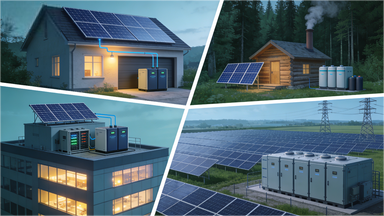
Lithium Solar Batteries: Powering Your Solar Journey, Day and Night
Solar panels have become a common sight on rooftops—they capture clean, free energy from the sun, but here’s the catch: the sun doesn’t shine 24/7. That’s where lithium solar batteries step in. These specialized energy storage solutions turn intermittent solar power into a reliable, round-the-clock resource, making your solar system smarter, more independent, and more cost-effective. If you’re considering going solar (or upgrading your existing setup), understanding lithium solar batteries is key. Let’s dive into what they are, how they work, and why they’re the top choice for solar energy storage.

What Are Lithium Solar Batteries, Exactly?
Lithium solar batteries are rechargeable lithium-based batteries engineered specifically for solar energy storage systems. Unlike general-purpose lithium batteries (used in phones or EVs), they’re designed to pair seamlessly with solar panels and inverters, storing the electricity your panels generate during the day so you can use it at night, on cloudy days, or during power outages.
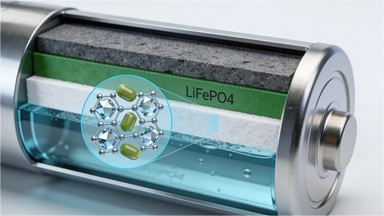
At their core, they rely on the same lithium-ion technology as other lithium batteries—but with tweaks to handle the unique demands of solar energy: think slower, steady charging (matching the sun’s daily cycle) and deep discharge capabilities (to use stored energy fully when needed). The most popular type for solar setups? Lithium Iron Phosphate (LiFePO4 or LFP) batteries—we’ll explain why later.
How Do Lithium Solar Batteries Work with Solar Systems?
The synergy between solar panels and lithium solar batteries is straightforward, creating a closed-loop system for clean energy:
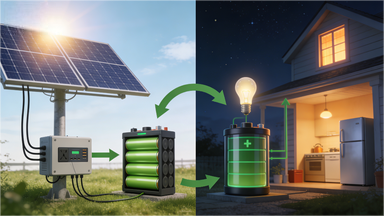
- Capture Solar Energy: During daylight hours, your solar panels convert sunlight into direct current (DC) electricity.
- Convert and Distribute: A solar inverter converts this DC power into alternating current (AC) electricity— the type your home or business uses to power lights, appliances, and devices.
- Store Excess Power: If your panels generate more electricity than you’re using (e.g., during midday when sunlight is strongest), the extra DC power is sent to your lithium solar battery bank for storage. A built-in Battery Management System (BMS) ensures safe charging, preventing overcharging or overheating.
- Release Stored Power: When the sun sets (or on cloudy days), your system switches to using the stored energy in the lithium battery. If the battery runs low, you can still draw power from the grid (for grid-tied systems)—or rely entirely on the battery (for off-grid setups).
-
Why Lithium Solar Batteries Beat Traditional Storage Options
For years, lead-acid batteries were the go-to for solar storage—but lithium solar batteries have taken over for good reason. Here’s how they compare:
|
Feature
|
Lithium Solar Batteries (e.g., LFP)
|
Traditional Lead-Acid Batteries
|
|
Energy Density
|
High—stores more energy in a smaller, lighter package (perfect for tight roof or garage spaces).
|
Low—bulky and heavy; requires more installation space.
|
|
Cycle Life
|
3,000–10,000 charge-discharge cycles (lasts 10–15 years with proper care).
|
500–1,000 cycles (needs replacement every 3–5 years).
|
|
Depth of Discharge (DoD)
|
Can safely discharge up to 80–100% of capacity (use almost all stored energy).
|
Only 50–60% DoD (discharging more shortens lifespan).
|
|
Efficiency
|
90–95% charge-discharge efficiency (minimal energy loss).
|
70–80% efficiency (wastes more solar power).
|
|
Maintenance
|
Low—no need to add water or check electrolyte levels (sealed design).
|
High—requires regular maintenance to prevent corrosion and extend life.
|
|
Temperature Tolerance
|
Performs well in extreme temperatures (from -20°C to 60°C for LFP models).
|
Struggles in hot or cold weather (reduces capacity and lifespan).
|
For solar users, these benefits translate to: less space used, fewer replacements, more solar power actually used, and lower long-term costs.

Common Types of Lithium Solar Batteries
Not all lithium solar batteries are identical—here are the two most widely used options, tailored to different solar needs:
1. Lithium Iron Phosphate (LiFePO4 / LFP) Batteries
The gold standard for solar storage. LFP batteries are safe (resistant to overheating and fires), have an ultra-long cycle life (up to 10,000 cycles), and handle deep discharges without damage. They’re ideal for both residential and commercial solar systems—from a small home setup to a large solar farm. Brands like Tesla Powerwall and BYD use LFP technology for their solar batteries.
2. Lithium-Ion (Li-Ion) Batteries (Non-LFP)
Older Li-Ion variants (e.g., lithium cobalt oxide, lithium nickel manganese cobalt oxide) are less common for solar now. They have higher energy density but shorter lifespans (3,000–5,000 cycles) and are more prone to overheating. You might find them in smaller, portable solar setups (e.g., camping solar kits) but rarely in permanent home or commercial systems.
Who Should Use Lithium Solar Batteries?
Lithium solar batteries are versatile—here are the key users who benefit most:
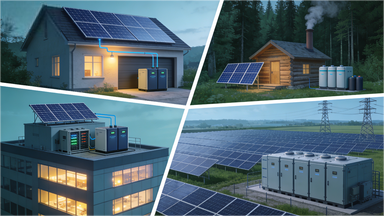
- Residential Solar Owners: Cut reliance on the grid, lower electricity bills (by using stored solar power instead of grid power at peak hours), and stay powered during blackouts.
- Off-Grid Homes/Cabins: For properties without access to the grid (e.g., remote cabins, rural farms), lithium solar batteries store enough solar power to run lights, appliances, and even heating/cooling.
- Commercial Buildings: Businesses with solar panels use lithium batteries to reduce peak demand charges (when grid electricity is most expensive) and ensure uninterrupted power for critical operations (e.g., hospitals, data centers).
- Solar Farms/Microgrids: Large-scale solar projects use lithium battery banks to stabilize the grid—storing excess solar power during the day and releasing it during high-demand evening hours.
-
Key Considerations When Choosing Lithium Solar Batteries
Before investing in a lithium solar battery, keep these factors in mind:
- Capacity: Calculate your daily energy usage (in kWh) and how many days of backup power you want (e.g., 1–3 days for emergencies). A typical home might need a 10–20 kWh battery bank.
- Compatibility: Ensure the battery works with your solar inverter (some inverters only pair with specific battery brands/models).
- Installation Space: Lithium batteries are compact, but larger systems (e.g., 50 kWh for a business) still need dedicated space (garages, utility rooms, or outdoor enclosures).
- Warranty: Look for a warranty of 10–15 years (matching the lifespan of solar panels). Many brands guarantee a minimum capacity (e.g., 70% of original capacity after 10 years).
- Sustainability: Choose batteries from brands with ethical sourcing (e.g., lithium from brine lakes) and recycling programs—since lithium solar batteries will eventually need replacement, proper recycling reduces waste
Final Thoughts: Lithium Solar Batteries = Solar Freedom
Solar panels let you generate clean energy—but lithium solar batteries let you control that energy. They turn solar power from a “daytime-only” resource into a 24/7 solution, helping you save money, reduce your carbon footprint, and gain energy independence.
If you’re ready to go solar (or upgrade your current system), lithium solar batteries are worth the investment. Do you have questions—like how to calculate the right battery size for your home or which brand to choose? Drop a comment below—I’m happy to help!
lithium
lithium battery batteries
Related Article
In an era where climate change urgency and energy security concerns dominate global conversations, the shift to renewable energy has moved from a "nice-to-have" to a necessity.
green mountain energy

As the global community grapples with climate change, energy security, and rising fossil fuel costs, solar energy has emerged as a beacon of hope in the transition to a cleaner, more sustainable energy system.
pros of solar energy