lithium
2025-12-05
Lithium: The "Light Metal" Powering Our Modern Lives and Sustainable Future
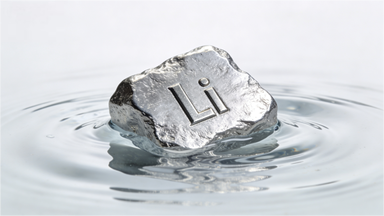
Take a moment to list the devices and technologies that keep your life running: your smartphone, electric car (EV), solar battery bank, even the wireless headphones you use on your commute. What do they all have in common? A tiny but mighty element: lithium. This silvery-white metal—so light it floats on water—has become the unsung hero of the digital age and the fight against climate change. But what makes lithium so special? How does it go from underground deposits to powering your favorite gadgets? Let’s explore the world of lithium, its impact, and why it’s more critical now than ever.
First: What Is Lithium, Exactly?
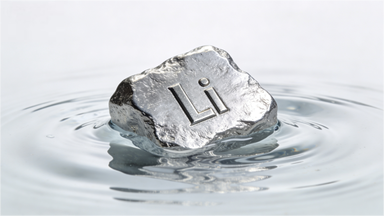
Lithium (chemical symbol: Li) is the 3rd element on the periodic table—and it’s one of the most unique. Here’s what sets it apart:
- Ultra-lightweight: It’s the lightest metal and the least dense solid element. A chunk of lithium can float on water (though it reacts violently with it, so don’t try this at home!).
- High reactivity: Lithium loves to give up its electrons, making it an excellent conductor of electricity. This trait is key to its role in batteries.
- Abundant (but tricky to access): Lithium is relatively common in the Earth’s crust—more so than lead or tin—but it rarely exists in pure form. It’s usually found in two places: mineral-rich rocks (like spodumene) and saltwater lakes (called “brines”) in arid regions.
For most of history, lithium was a niche element—used in small amounts for glass, ceramics, and even mood-stabilizing medications (lithium carbonate treats bipolar disorder). But in the 1990s, the rise of lithium-ion batteries changed everything. Suddenly, this lightweight metal became essential to powering the portable tech and clean energy solutions we rely on today.
Why Lithium Is Non-Negotiable for Modern Tech
Lithium’s superpower lies in its ability to store and release energy efficiently—especially in batteries. Here’s how it fuels three of the most important areas of modern life:
1. Consumer Electronics: The “Battery Behind Your Phone”
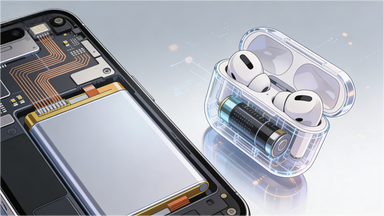
Your smartphone, laptop, and wireless earbuds all run on lithium-ion (Li-ion) batteries—and lithium is the star. Unlike older battery technologies (think bulky nickel-cadmium batteries), Li-ion batteries use lithium ions to shuttle energy between two electrodes (an anode and cathode). This design lets them:
- Store more energy in a small, lightweight package (critical for slim phones!).
- Charge quickly (a modern phone can hit 50% charge in 30 minutes).
- Lose very little power when not in use (your laptop won’t die overnight if you forget to charge it).
Without lithium, our devices would be heavier, have shorter battery life, and take hours to charge. Imagine carrying a brick-sized phone just to make a call—thank lithium for avoiding that!
2. Electric Vehicles (EVs): Driving the Clean Energy Transition
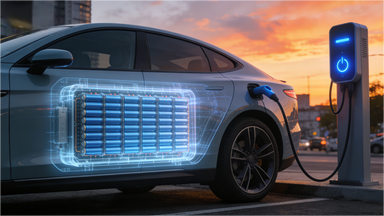
The world is shifting from gas-powered cars to EVs to cut carbon emissions—and lithium is the backbone of this shift. A single EV battery pack (like the one in a Tesla Model 3) contains 50–100 kilograms of lithium—that’s more lithium than in 10,000 smartphones!
Lithium-ion batteries make EVs practical: they provide enough range (200–400+ miles per charge) to compete with gas cars, and they’re durable (lasting 8–10 years). As more countries ban gas cars (like the EU by 2035), demand for lithium is skyrocketing—experts predict we’ll need 4–8 times more lithium by 2040 to meet EV goals.
3. Renewable Energy Storage: Making Solar and Wind Reliable
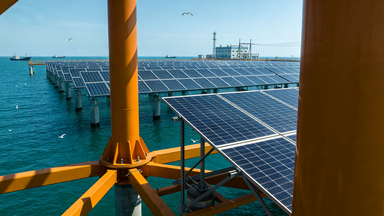
Solar panels and wind turbines generate clean energy—but they only work when the sun shines or the wind blows. Lithium batteries solve this “intermittency” problem by storing excess energy for cloudy or calm days.
Home solar systems (like the Tesla Powerwall) and grid-scale battery farms (such as Australia’s Hornsdale Power Reserve) use lithium-ion or lithium-iron phosphate (LFP) batteries to keep power flowing 24/7. For example, a home with solar panels and a lithium battery can use stored solar energy at night instead of buying electricity from the grid—saving money and reducing reliance on fossil fuels.
The Challenge: Sourcing Lithium Responsibly
Lithium is essential—but getting it out of the ground isn’t without problems. Most lithium comes from two sources, each with environmental tradeoffs:
- Brine Mining: The most common method (used in Chile’s Atacama Desert and Argentina’s Salar de Uyuni). Companies pump salty water from lakes into large evaporation ponds, where the sun dries it out, leaving lithium behind. This is cheap but uses massive amounts of water—up to 2 million liters per ton of lithium. In arid regions, this can deplete local water supplies and harm wildlife.
- Hard Rock Mining: Used in Australia (the world’s top lithium producer) to mine spodumene, a lithium-rich mineral. The rock is crushed and processed with chemicals to extract lithium. This method uses less water but can cause deforestation, soil erosion, and chemical runoff.
There’s also a human cost: some lithium mines operate in regions with weak labor laws, raising concerns about worker safety and fair wages. The good news? The industry is starting to address these issues. Companies are testing “direct lithium extraction” (DLE) technologies that use less water and produce less waste, and governments are pushing for stricter environmental and labor regulations.
The Future of Lithium: Innovation and Sustainability
As demand for lithium grows, so does innovation. Here’s what’s next for this critical metal:
- Better Batteries: Scientists are developing “solid-state lithium batteries” that replace the liquid electrolyte in Li-ion batteries with a solid material. These batteries will be safer (no risk of overheating), charge faster (10 minutes to full), and store more energy (extending EV range to 600+ miles).
- Recycling: Right now, only about 5% of lithium batteries are recycled. But new technologies are making it easier to recover lithium, cobalt, and nickel from old EV and phone batteries. The EU recently passed a law requiring 70% of EV batteries to be recycled by 2030, and companies like Redwood Materials (founded by a former Tesla executive) are building large-scale recycling facilities.
- Alternative Sources: Researchers are exploring lithium from unexpected places—like geothermal brines (byproducts of geothermal energy plants) and even seawater. These sources could provide lithium without the environmental harm of traditional mining.
Final Thoughts: Lithium as a “Bridge to a Greener Future”
Lithium isn’t perfect—but it’s a critical tool in our transition to a more sustainable world. It powers the phones that keep us connected, the EVs that cut carbon emissions, and the batteries that make solar and wind energy reliable.
As we use more lithium, we must prioritize responsible sourcing and recycling to minimize its environmental impact. The goal isn’t just to mine more lithium—it’s to use it wisely, so it can continue powering progress for decades to come.
Do you have questions about lithium? Maybe you’re curious about EV battery life or how to recycle your old phone battery. Drop a comment below—I’d love to dive deeper!
what is lithium
lithium solar batteries
Related Article

In an era where climate change urgency and energy security concerns dominate global conversations, the shift to renewable energy has moved from a "nice-to-have" to a necessity.
green mountain energy
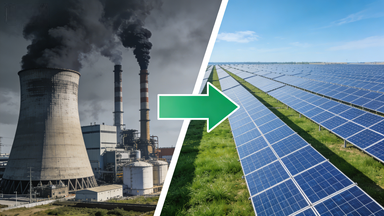
As the global community grapples with climate change, energy security, and rising fossil fuel costs, solar energy has emerged as a beacon of hope in the transition to a cleaner, more sustainable energy system.
pros of solar energy