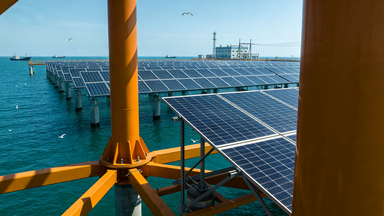
solar batteries
2025-11-07
Solar Batteries: Powering Your Home Sustainably and Cutting Energy Costs
In an era where energy costs are rising and environmental concerns are front and center, solar batteries have emerged as a game - changer for homeowners and businesses alike. If you’ve already invested in solar panels or are considering making the switch to renewable energy, a solar battery can take your energy independence to the next level. Unlike solar panels alone, which only generate electricity when the sun is shining, solar batteries store that excess energy for later use—whether it’s during cloudy days, nighttime, or even power outages. But what exactly are solar batteries, how do they work, and is they the right choice for you? Let’s dive into everything you need to know about solar batteries, from their benefits to installation and maintenance.

What Are Solar Batteries, and How Do They Work?
At their core, solar batteries are energy storage devices designed to capture and hold the electricity produced by your solar panel system. When your solar panels generate more power than your home is using (say, on a bright afternoon when everyone’s at work or school), instead of sending that excess energy back to the grid (which often gives you only a small credit in return), a solar battery stores it. Later, when your panels aren’t producing enough—like after sunset or during a storm—you can draw on the stored energy to power your home.
Most modern solar batteries use lithium - ion technology, the same type found in smartphones and electric vehicles. Lithium - ion batteries are popular because they’re compact, have a long lifespan, and can charge and discharge efficiently. Other types, like lead - acid batteries (common in older systems), are less expensive upfront but are bulkier, have shorter lifespans, and require more maintenance.
Key Benefits of Installing a Solar Battery
The decision to add a solar battery to your system comes with a range of practical and financial advantages:
1. Energy Independence
With a solar battery, you’re less reliant on the local power grid. This means you won’t be left in the dark during power outages—a major plus for areas prone to storms, wildfires, or grid failures. You’ll also be protected from sudden increases in electricity rates, as you’ll be using more of your own stored energy instead of buying from the utility company.
2. Lower Energy Bills
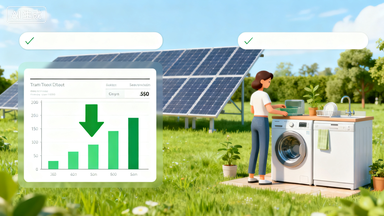
By using stored solar energy during peak demand times (when electricity rates are highest, usually in the evening), you can significantly reduce your monthly energy bills. For example, if you typically run your dishwasher, laundry, and lights in the evening, you can use the energy your panels stored during the day instead of paying premium prices for grid power.
3. Environmental Impact
Solar batteries help you maximize your use of clean, renewable energy. When you send excess energy back to the grid, it may be replaced by power from fossil fuels (like coal or natural gas) during peak hours. Storing that energy for your own use means you’re reducing your carbon footprint and supporting a more sustainable future.
4. Potential Incentives and Rebates
Many governments and utility companies offer incentives to encourage the adoption of solar batteries. These can include tax credits, rebates, or net metering programs (where you get credited for excess energy you do send to the grid). Be sure to check local and national programs—they can make the upfront cost of a solar battery much more affordable.

How to Choose the Right Solar Battery for Your Home
Not all solar batteries are created equal, and choosing the right one depends on your specific needs and budget. Here are the key factors to consider:
1. Capacity and Power Rating
- Capacity: Measured in kilowatt - hours (kWh), capacity tells you how much energy the battery can store. A typical home might need a battery with 10–20 kWh of capacity to cover evening and nighttime use. If you have a larger home or more energy - hungry appliances (like an electric vehicle or a pool pump), you may need a higher capacity.
- Power Rating: Measured in kilowatts (kW), the power rating indicates how much energy the battery can deliver at once. For example, if you need to power multiple appliances (fridge, TV, lights) during an outage, you’ll need a battery with a higher power rating (usually 5–10 kW for most homes).
2. Lifespan and Warranty
Solar batteries are a long - term investment, so you’ll want one that lasts. Most lithium - ion solar batteries have a lifespan of 10–15 years, but this can vary based on usage and maintenance. Look for a warranty that covers both the battery’s performance (e.g., it will retain 80% of its capacity after 10 years) and any defects. A good warranty can give you peace of mind and protect your investment.
3. Compatibility with Your Solar System
Not all solar batteries work with all solar panel systems. Before buying, check if the battery is compatible with your existing inverter (the device that converts solar energy into usable electricity for your home). Some batteries come with their own inverters, which can simplify installation but may add to the cost. If you’re installing a new solar system, ask your installer to recommend a battery that works seamlessly with your panels.
4. Cost
The cost of a solar battery varies depending on capacity, brand, and installation. On average, a single solar battery (10–15 kWh) can cost between \(5,000 and \)10,000, including installation. While this may seem expensive upfront, remember that energy savings and incentives can help offset the cost over time. Many installers also offer financing options, making it easier to spread out the payment.

Installation and Maintenance Tips
Installation
Installing a solar battery is not a DIY project—you’ll need to hire a licensed and experienced solar installer. Here’s what to expect during the process:
- Assessment: The installer will evaluate your home’s energy needs, existing solar system (if you have one), and available space for the battery (most are installed in garages, basements, or outside).
- Permits: The installer will handle any necessary permits from your local government or utility company.
- Installation: The battery will be connected to your solar system and inverter. This usually takes 1–2 days, depending on the complexity of the system.
- Testing: The installer will test the battery to ensure it’s working properly and that you understand how to monitor and use it.
Maintenance
Solar batteries require minimal maintenance, but there are a few things you can do to extend their lifespan:
- Keep them cool: High temperatures can reduce a battery’s performance and lifespan. If your battery is installed outside, make sure it’s in a shaded area. If it’s inside, ensure proper ventilation.
- Monitor usage: Most solar batteries come with a mobile app or online portal that lets you track how much energy you’re storing and using. This can help you adjust your energy habits to maximize savings.
- Schedule regular check - ups: Have your installer inspect the battery once a year to ensure it’s in good condition. They can clean the connections, check the battery’s performance, and address any issues early.
The Future of Solar Batteries
As renewable energy becomes more popular, solar battery technology is advancing rapidly. Future batteries are expected to be even more efficient, with higher capacities and longer lifespans. We may also see more integration with smart home systems, allowing batteries to automatically adjust energy usage based on peak hours, weather forecasts, and your daily routine. Additionally, as production scales up, the cost of solar batteries is likely to continue to fall, making them accessible to more homeowners.
Final Thoughts
Solar batteries are a smart investment for anyone looking to reduce their energy bills, increase their energy independence, and support a more sustainable future. While the upfront cost may seem daunting, the long - term savings, incentives, and peace of mind make it well worth it. If you’re ready to take the next step, start by researching local installers, checking for incentives, and assessing your home’s energy needs. With the right solar battery, you’ll be on your way to powering your home with clean, reliable energy for years to come.
Do you have questions about solar batteries for your home? Or have you already installed one and want to share your experience? Drop a comment below—I’d love to hear from you!
how does solar energy work
advantages of solar energy
Related Article
In an era where climate change urgency and energy security concerns dominate global conversations, the shift to renewable energy has moved from a "nice-to-have" to a necessity.
green mountain energy
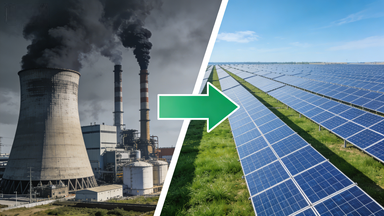
As the global community grapples with climate change, energy security, and rising fossil fuel costs, solar energy has emerged as a beacon of hope in the transition to a cleaner, more sustainable energy system.
pros of solar energy