solar battery
2025-12-08
What Is a Solar Battery? The Key to Unlocking Solar Energy’s Full Potential
Imagine this: You install solar panels on your roof, excited to slash your electricity bill and go green. But by 7 PM, the sun sets—and your panels stop generating power. You’re right back to relying on the grid, even though your panels produced more than enough energy during the day. That’s where a solar battery comes in. It’s the missing piece that turns solar energy from a "daytime-only" resource into a 24/7 power solution. But what exactly is a solar battery, and how does it transform the way we use solar power? Let’s dive in.

First: What Is a Solar Battery, Exactly?
A solar battery (also called a solar energy storage system) is a rechargeable device designed to store the electricity generated by solar panels. Unlike regular batteries (like the one in your phone), it’s specifically engineered to work with solar systems—capturing excess energy produced during sunny hours and releasing it when the sun isn’t shining (nights, cloudy days, or power outages).
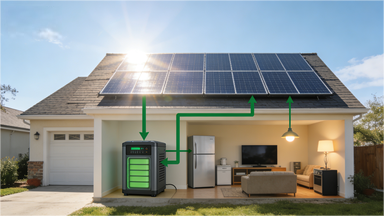
At its core, a solar battery is part of a larger solar setup:
- Solar Panels: Convert sunlight into direct current (DC) electricity.
- Inverter: Converts DC electricity from panels (and batteries) into alternating current (AC)—the type of power your home appliances use.
- Solar Battery: Stores unused DC electricity from panels (or grid power, if needed) for later use.
- Controller (BMS): A Battery Management System that regulates charging/discharging to protect the battery, extend its life, and prevent overheating.
The biggest myth to debunk: Solar batteries don’t generate energy—they store it. Without one, up to 50% of the energy your solar panels produce can go to waste (sent back to the grid for little to no compensation). With a solar battery, you keep that energy for yourself.

How Does a Solar Battery Work?
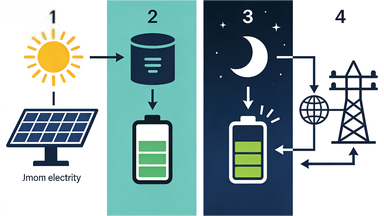
The process is simpler than you might think—let’s break it into 4 key steps, using a typical home solar system as an example:
1. Solar Panels Generate Power
During the day, sunlight hits your solar panels, which convert it into DC electricity.
2. Electricity Is Used or Stored
- First Priority: Your home uses the electricity directly (powering lights, fridges, TVs, etc.).
- Excess Energy: If your panels produce more than your home needs (e.g., while you’re at work), the extra DC electricity flows to the solar battery and charges it—like filling a battery bank for later.
3. Battery Releases Power When Needed
When the sun sets, or when your energy use spikes (e.g., cooking dinner), the solar battery kicks in:
- It releases the stored DC electricity.
- The inverter converts it to AC power, which your home uses.
- You avoid drawing power from the grid (and paying for it) during peak hours.
4. Grid Interaction (For Grid-Tied Systems)
Most solar battery systems are "grid-tied," meaning they still connect to your local power grid:
- Low Battery: If your battery runs out (e.g., a long cloudy spell), the grid supplies backup power.
- Net Metering (In Some Areas): If your battery is full and your panels are still generating excess energy, you can send it to the grid in exchange for credits on your electricity bill.
Off-Grid Systems: For Total Energy Independence
Some solar batteries are part of "off-grid" setups (no grid connection)—common in remote cabins or rural areas. These systems rely entirely on solar panels and batteries (plus a backup generator, sometimes) to power homes. The battery must be large enough to store enough energy to last through nights and bad weather.

The Most Common Types of Solar Batteries
Not all solar batteries are created equal—each type has tradeoffs in cost, lifespan, efficiency, and safety. Here are the 4 main types used in residential and commercial solar systems:
1. Lithium-Ion (Li-Ion) Batteries
- What They Are: The most popular choice for home solar systems, using the same technology as smartphones and electric cars.
- Key Advantages: High energy density (stores more energy in a smaller space), long lifespan (10–15 years), fast charging, no "memory effect" (no need to drain fully before charging), and low maintenance.
- Subtype to Know: Lithium Iron Phosphate (LiFePO4 or LFP) – A safer, more durable variant of Li-Ion. Resistant to overheating, lasts 15–20 years, and is ideal for home storage (e.g., Tesla Powerwall, SonnenBatterie).
- Best For: Most homeowners, small businesses, and rooftop solar setups.
2. Lead-Acid Batteries
- What They Are: The oldest and most affordable solar battery technology (similar to car batteries).
- Key Advantages: Low upfront cost, widely available, and simple design.
- Key Drawbacks: Short lifespan (3–5 years), heavy (hard to install), requires regular maintenance (to check electrolyte levels), and low energy density (needs more space to store the same energy as Li-Ion).
- Best For: Budget-conscious off-grid systems or temporary setups (not recommended for most homes).
3. Flow Batteries
- What They Are: A newer technology that uses liquid electrolytes stored in external tanks (instead of solid electrodes).
- Key Advantages: Extremely long lifespan (20+ years), scalable (you can add more electrolyte to store more energy), and safe (low fire risk).
- Key Drawbacks: High upfront cost, large size (not ideal for small homes), and lower energy density.
- Best For: Commercial/industrial solar systems, grid-scale energy storage (e.g., powering a neighborhood), or large off-grid properties.
4. Sodium-Ion Batteries
- What They Are: An emerging alternative to Li-Ion, using sodium instead of lithium (a more abundant, cheaper material).
- Key Advantages: Lower cost, no reliance on rare metals (lithium, cobalt), and good performance in cold temperatures.
- Key Drawbacks: Less mature technology, lower energy density than Li-Ion (still improving), and limited availability.
- Best For: Future home solar systems (growing in popularity as tech advances) and grid storage.
-
Why Solar Batteries Are a Game-Changer
Solar panels alone are great—but adding a solar battery takes their value to the next level. Here are the top benefits:
1. Slash Your Electricity Bills
- Avoid Peak Rates: Electricity is most expensive during "peak hours" (evenings, when everyone is using power). With a solar battery, you use stored solar energy instead of grid power during these times, cutting your bill by 30–70%.
- Reduce Grid Dependence: You’ll draw far less power from the grid overall—even on cloudy days, your battery can cover part of your needs.
2. Energy Independence (No More Blackouts!)
- Backup Power: During grid outages (from storms, wildfires, or infrastructure failures), your solar battery keeps critical appliances running (fridges, medical devices, lights). No more sitting in the dark!
- Off-Grid Living: For remote areas without grid access, solar batteries let you live entirely on renewable energy.
3. Environmental Benefits
- Reduce Carbon Footprint: By using stored solar energy instead of grid power (which often comes from coal or natural gas), you cut greenhouse gas emissions. A typical home solar battery saves 3–5 tons of CO2 per year.
- Support Renewable Energy: Solar batteries solve solar’s biggest flaw—intermittency (sun doesn’t shine 24/7). They make solar power a reliable, round-the-clock energy source, accelerating the shift away from fossil fuels.
4. Increase Your Home’s Value
Homes with solar panels and batteries sell faster and for more money. Studies show solar battery systems can add \(10,000–\)20,000 to a home’s resale value—they’re a desirable amenity for eco-conscious buyers.
Where Solar Batteries Shine (Key Applications)
Solar batteries aren’t just for homes—they’re used in a wide range of settings, thanks to their versatility:
1. Residential Solar
- Rooftop solar + battery systems for single-family homes, townhouses, and apartments (with shared solar).
- Example: A family in California installs solar panels and a LiFePO4 battery—they use stored energy during evening peak hours and have backup power during wildfire-related blackouts.
2. Commercial & Industrial
- Businesses use solar batteries to reduce peak demand charges (fees for using a lot of grid power at once) and power critical operations during outages.
- Example: A warehouse installs a large flow battery system to store solar energy, cutting its electricity bill by 40% and avoiding downtime during grid failures.
3. Grid-Scale Storage
- Utility companies use massive solar battery banks to balance the grid—storing excess solar/wind energy and releasing it when demand is high.
- Example: A solar farm in Texas pairs panels with a 100-megawatt Li-Ion battery system, ensuring reliable power for 10,000 homes even after sunset.
4. Remote & Off-Grid Systems
- Cabins, RVs, boats, and rural communities use solar batteries to replace diesel generators (which are noisy, expensive, and polluting).
- Example: A remote cabin in Colorado uses solar panels + a lead-acid battery (budget-friendly) to power lights, a water pump, and a small fridge—no grid connection needed.
5. Electric Vehicle (EV) Integration
- Some solar battery systems can charge your EV using stored solar energy—turning your home into a "green charging station."
- Example: A homeowner uses their Tesla Powerwall to charge their Tesla Model 3 at night, using energy their solar panels collected during the day (no grid power required).
-
Solar Battery Safety & Sustainability Tips
Solar batteries are safe when installed and used correctly—but it’s important to follow best practices. Here’s what you need to know:
Safety First
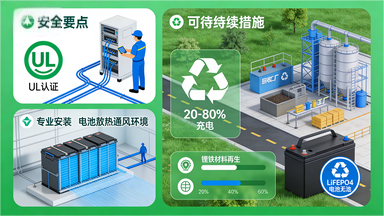
- Choose Certified Batteries: Look for batteries certified by organizations like UL (Underwriters Laboratories) or IEC (International Electrotechnical Commission)—they meet strict safety standards.
- Professional Installation: Never install a solar battery yourself. Hire a licensed solar installer to ensure proper wiring, ventilation, and integration with your panels.
- Avoid Overheating: Most solar batteries have built-in thermal management systems, but keep them in a cool, dry place (avoid direct sunlight or enclosed spaces without airflow).
- Handle With Care: Li-Ion and lead-acid batteries can be dangerous if damaged—never puncture, crush, or short-circuit them.
Sustainability: Make Your Solar Battery Greener
- Extend Lifespan: To maximize your battery’s life (and reduce waste), avoid fully draining it regularly (keep it charged between 20–80% for Li-Ion) and use a high-quality inverter.
- Recycle Responsibly: Solar batteries contain valuable materials (lithium, lead, cobalt) that can be recycled. When your battery reaches the end of its life (10–20 years), contact a certified recycler (many solar companies offer take-back programs).
- Choose Eco-Friendly Materials: Opt for LiFePO4 batteries (no cobalt, which is often mined unethically) or sodium-ion batteries (abundant materials) to minimize environmental impact.
Final Thoughts: Solar Batteries = The Future of Energy
A solar battery isn’t just an accessory for your solar panels—it’s a revolution in how we produce, store, and use energy. By answering "what is a solar battery," we uncover a tool that lets us take control of our electricity bills, stay powered during outages, and do our part for the planet.
Whether you’re a homeowner considering solar, a business owner looking to cut costs, or just curious about renewable energy, solar batteries are worth exploring. As technology advances, they’ll become more affordable, efficient, and accessible—making 24/7 solar power a reality for everyone.
Do you have questions? Want to know how to choose the right solar battery for your home, or how much you could save? Drop a comment below—I’m here to help you unlock solar energy’s full potential!
what is energy
what is a lithium batteries
Related Article
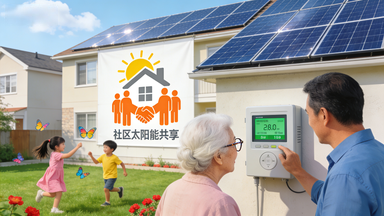
In an era where climate change urgency and energy security concerns dominate global conversations, the shift to renewable energy has moved from a "nice-to-have" to a necessity.
green mountain energy
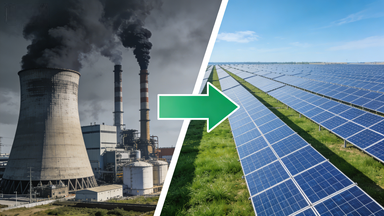
As the global community grapples with climate change, energy security, and rising fossil fuel costs, solar energy has emerged as a beacon of hope in the transition to a cleaner, more sustainable energy system.
pros of solar energy